For much of the past century, American global influence rested on three pillars: military might, the dollar's dominance, and the intellectual prestige of its universities. While aircraft carriers project power and Wall Street manages capital, U.S. campuses have been the engine of soft power, technological breakthroughs, and elite talent. But that foundation is shifting, and the data is becoming impossible to ignore.
In the 2026 Nature Index, Harvard University—which had held the top spot in scientific output since the index began in 2014—dropped to third place. More striking is the surrounding landscape: nine of the top ten research institutions in the world are now Chinese. This is not a blip but a structural realignment.
Commentators like Fareed Zakaria have long argued that American academic supremacy is essentially unrivaled. In his CNN show, Washington Post columns, and his book In Defense of a Liberal Education, he has pointed to rankings, global talent recruitment, and a culture of innovation. Recently, he has added warnings about politicization, budget cuts, and visa restrictions. Yet his analysis misses a deeper force: the link between industrial power and academic leadership.
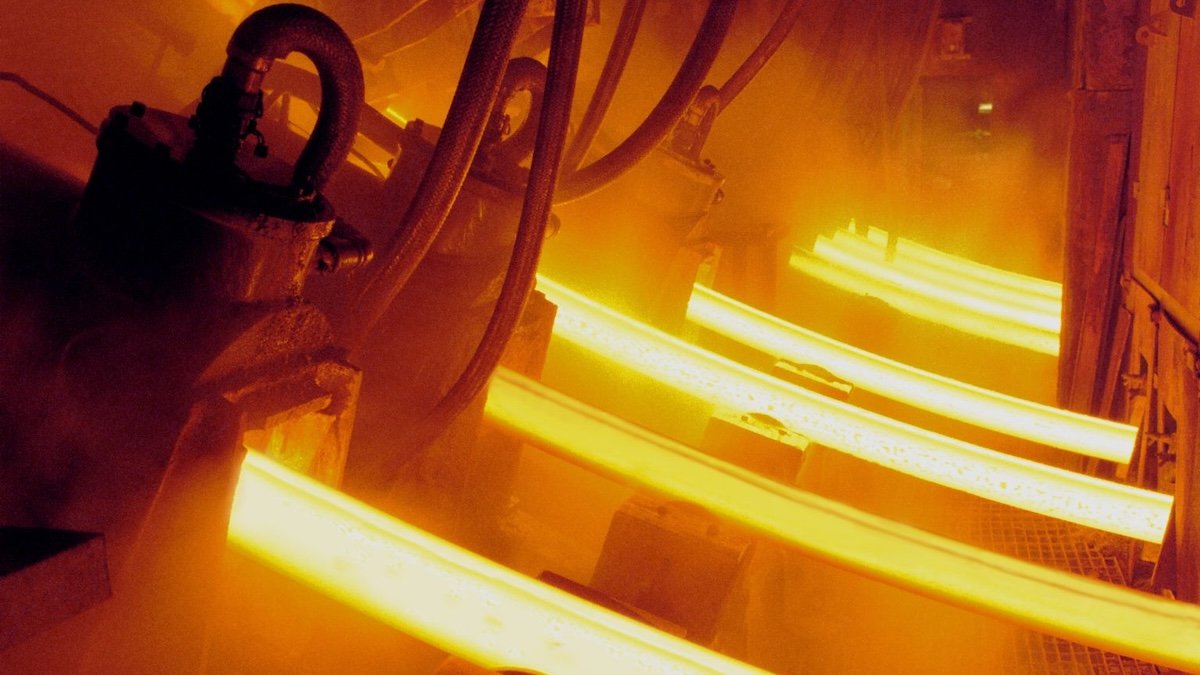
Universities do not operate in a vacuum. They are shaped by the economies they serve. The mid-20th century rise of American universities was bankrolled by the country's post-war industrial dominance. When a nation controls global production lines, its universities naturally become centers for applied science, engineering, and management. Today, that center of gravity has moved. China now accounts for roughly 37% of global manufacturing output and nearly 40% of advanced technology production and trade.
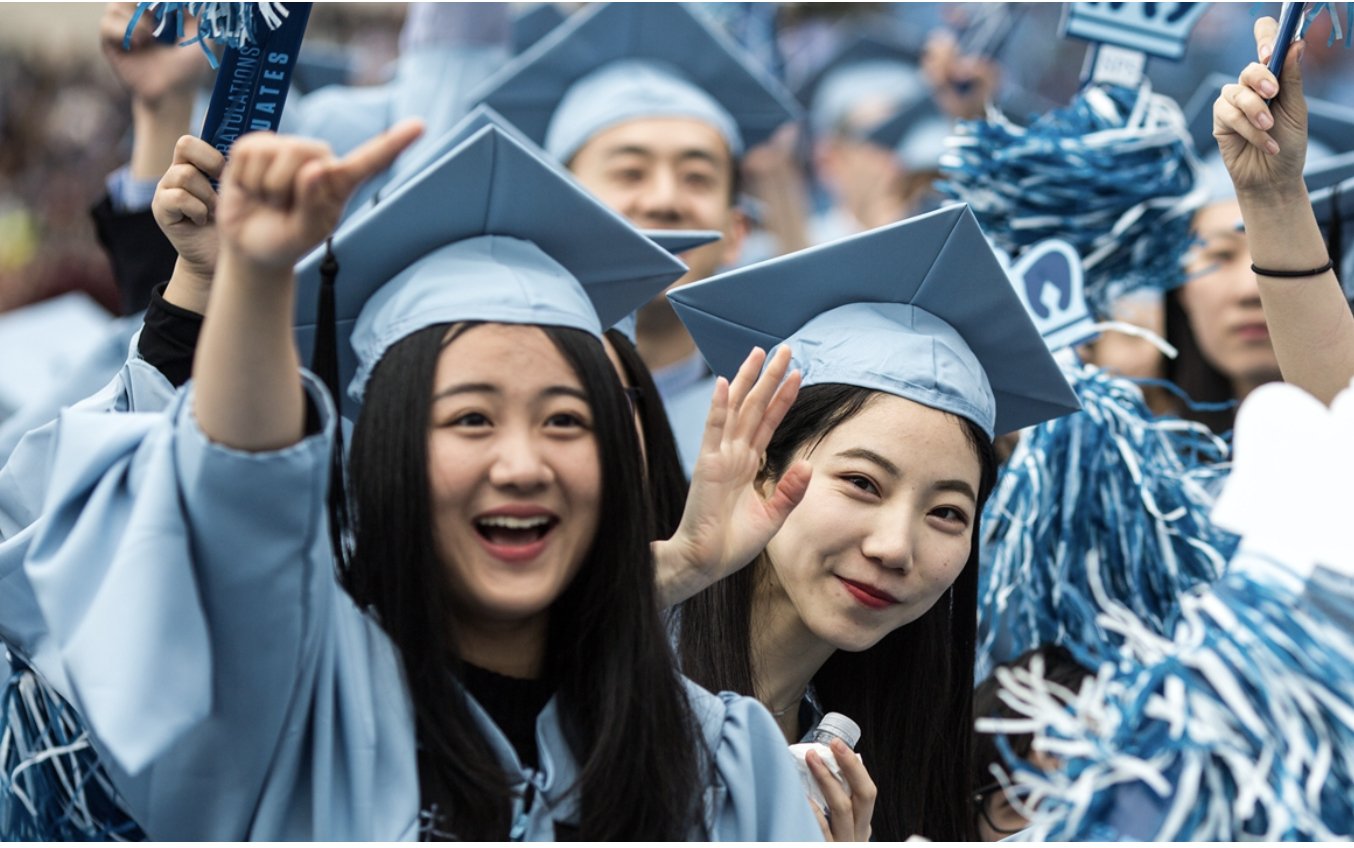
This industrial shift is reshaping higher education. A world-class STEM workforce flourishes where physical manufacturing and hardware innovation happen. You cannot endlessly design the future in California if the tools, supply chains, and iterative testing are in Shenzhen and Jiangsu. Chinese graduates are increasingly superior in the concrete skills the global economy demands—implementation, technical competence, and large-scale production.
The change extends beyond engineering. The American MBA became a global gold standard as U.S. corporations dominated logistics and consumer markets after World War II. Now, as high-end manufacturing and digital commerce shift to Asia, Chinese institutions are building sophisticated systems for business operations and fintech. Fintech cannot thrive in isolation; it depends on real-time transactions, vast consumer networks, and manufacturing technologies.
American commentators often point to Silicon Valley and Boston as proof of U.S. innovation. But a critical distinction is emerging: while American institutions maintain a narrow lead in conceptual software design and theoretical research, China is pulling ahead in rapid-fire innovation tied to production. This is not just about rankings—it is about the future of global knowledge creation.
The implications are profound. Over the next decade, American universities may find their global domain restricted largely to humanities and social sciences—fields like English literature, Western philosophy, and film studies. Meanwhile, China's state-capitalist model, with its massive investment in research and development, is building a parallel system that is already outperforming in key areas.
This is not a prediction of American decline in absolute terms, but a recognition that the world is changing. The academic hierarchy is following the industrial one. As Asia rises, so too will its institutions. The question is whether the United States can adapt to a world where it is no longer the sole intellectual superpower.
Asia's rise in research and innovation
China's ascent is part of a broader regional trend. Countries like South Korea and Japan have long been leaders in applied science, and Southeast Asia is investing heavily in education and technology. The Arctic shipping route test by China and South Korea is one example of how regional cooperation is reshaping global logistics and, by extension, the demand for new skills.
Meanwhile, the new AI hotline between Washington and Beijing reflects the growing importance of managing technological competition. And as Europe grapples with a new 'China Shock', the link between trade and education becomes even clearer.
For Asia, this is an opportunity. The region's universities are no longer just followers but leaders in fields that matter for the 21st century. The challenge for the United States is to recognize that its academic dominance was never inevitable—it was earned through industrial might, and it can be lost as that might shifts.