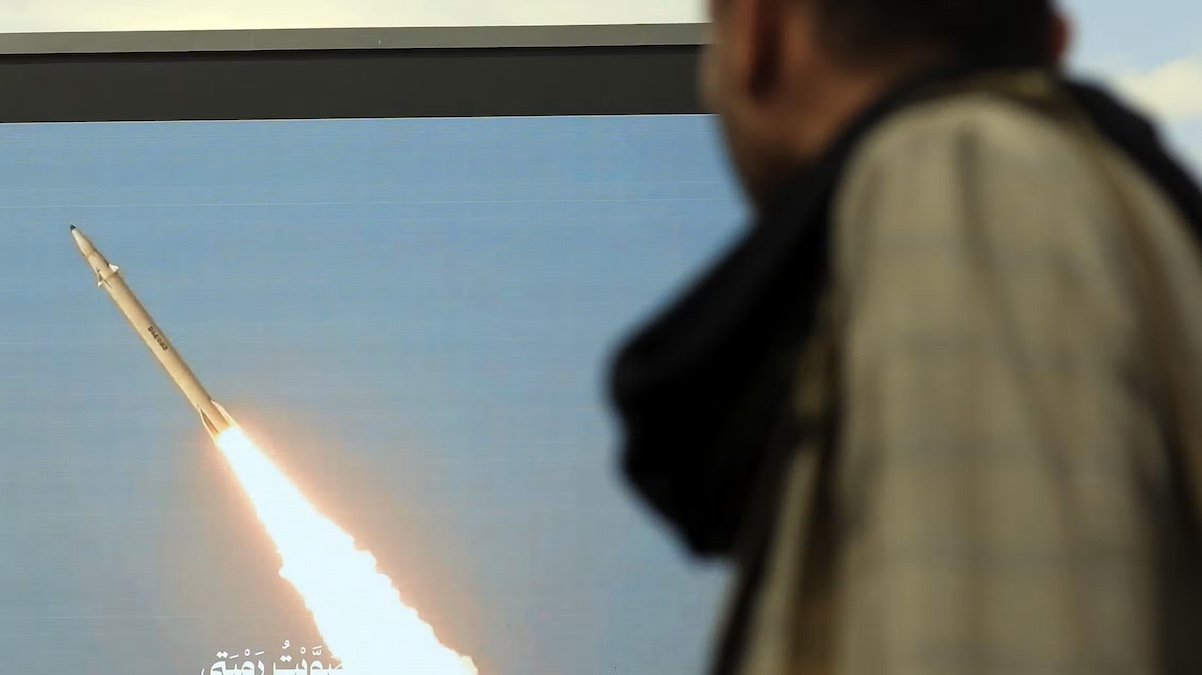
Chinese and South Korean shipping companies are increasingly turning to the Arctic as a faster, safer alternative to the Suez Canal, which has become perilous due to Houthi attacks in the Red Sea. The Northern Sea Route, running along Russia's northern coast, is now being tested by both nations as a viable commercial corridor for container traffic between Asia and Europe.
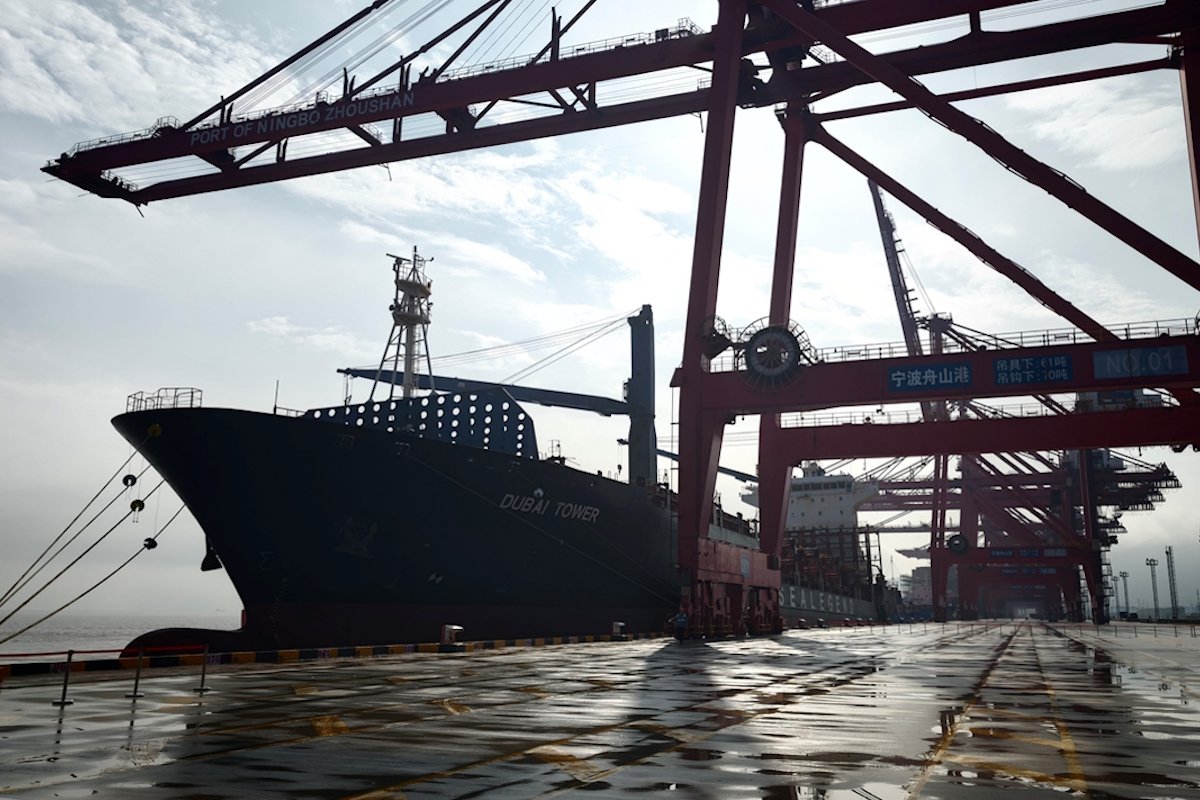
China's Sea Legend has launched a weekly service on this route. The container ship Dubai Tower arrived at Teesport on England's northeast coast on September 9 after a 25-day voyage from Ningbo-Zhoushan Port near Shanghai. It then proceeded to Hamburg and Gdynia in Poland, carrying electric vehicles, lithium-ion batteries, renewable energy equipment, and other machinery. At least seven more Chinese container ships are expected to follow this year.
According to China's state-run Global Times, Chinese port and shipping operators have signed green-channel agreements with European partner terminals, granting priority berthing and cargo handling to reduce anchorage waits. This helps exporters cut inventories, free up working capital, and meet tight delivery deadlines. The move contrasts sharply with European politicians' opposition to Chinese imports, particularly alternative energy equipment, and to China's cooperation with Russia. European ports, however, welcome the business, and European customers want the products.
The Global Times also noted that the China-Europe Arctic Express completed its maiden trial voyage last September, reaching Felixstowe in 20 days from Ningbo-Zhoushan. That voyage demonstrated the feasibility of the entire operation, including navigation, transport of new-energy-related hazardous cargo, and coordination with overseas ports. It marked a significant step in China's Belt and Road cooperation and the Polar Silk Road initiative.
South Korea follows suit
South Korea is not far behind. On August 22, the container ship PanStar Arco departed Busan for Europe via the Northern Sea Route, carrying used cars, auto parts, and chemical products. This is the first test of the route by a South Korean vessel since 2016. The ship arrived at Felixstowe on September 12, Rotterdam on September 13, and Gdansk on September 16, and is now returning to Busan, with the round trip expected to take about 45 days—at least 20 days faster than via Suez under normal circumstances.
The 13,000-kilometer Northern Sea Route is 36% shorter than the 20,300-kilometer route via Suez. While it swaps the risk of Houthi attacks for hazards posed by sea ice, the PanStar Arco, built at the Guangzhou Wenchong Shipyard in China, has ice-class features such as a reinforced bow and hull and an ice-resistant propeller, allowing it to operate in light-to-medium ice conditions typical of late summer and autumn without an icebreaker escort. If needed, Russia has more than 20 icebreakers capable of working the route.
The voyage is part of South Korea's effort to reduce its exposure to Middle East conflicts. Earlier this month, the South Korean Ministry of Oceans and Fisheries initiated a study of the commercial viability of Arctic shipping routes, planning to assess how they could make trade with Europe more efficient and reliable by the 2030s. Last April, the director of the Polar Strategy Research Division at the Korean Maritime Institute said that Korea views Arctic shipping not just as a transport route but as a strategic nexus connected to domestic industry and the broader Maritime Capital Region Strategy, which aims to develop a maritime economic zone centered on Ulsan and Busan/South Gyeongsang Province.
Japan, by contrast, has no such policy. Prime Minister Sanae Takaichi's government has focused on supporting Ukraine, pushing Japan-Russia relations to a new low. European shipping companies tend to avoid the Northern Sea Route for political and environmental reasons, preferring the longer passage around the Cape of Good Hope. Both China and South Korea are poised to capitalize on this gap.
The shift has broader implications for regional trade dynamics. As Houthi advances in the Red Sea tighten Iran's grip on global shipping lanes, the Arctic route offers a strategic alternative. Meanwhile, the EU's moves to counter a 'China Shock 2.0' may be complicated by these new trade flows. For South Korea, the route could also complement its broader maritime ambitions, as highlighted in its demographic challenges that are reshaping its economic strategies.
As the Arctic ice continues to recede, the Northern Sea Route is likely to become a permanent fixture in Asia-Europe trade, with China and South Korea leading the way.