Last Thursday, US President Donald Trump said he had a “big decision” coming up about Iran’s regime: “Do I want to go in and annihilate them or do I not? […] Anything could happen with me.” This is not the first time he has spoken of such a threat, but it comes at a critical juncture. A war he had once hoped to bring to a swift conclusion is now in its seventh month and threatens to engulf more of the region.
Over the weekend, the Iran-backed Houthis in Yemen said they had attacked “sensitive sites” in Saudi Arabia’s capital Riyadh with missiles and drones. This escalation could put Saudi Arabia’s new defense agreement with Turkey and Pakistan—known as the “Mecca pact”—to its first serious test. For Trump, failure to end this conflict in one way or another could also seriously jeopardize his remaining term in office and the United States’ standing in the world.
Why Trump’s options are narrowing
Several issues have brought the president to this point. Consumers in the US and across the world continue to suffer from intensified energy and economic impacts of the conflict. Also at the weekend, Iran reportedly laid out its latest set of conditions to end the war with the US. These included ending the war on all fronts, releasing Iran’s frozen funds, and ending the naval blockade on Iranian ports.
The US has not yet responded to these conditions. Should it consider them acceptable, it opens the way for a restart of negotiations, though the prospects look grim for a negotiated settlement to result in at least the reopening of the Strait of Hormuz any time soon. Iran has felt pain, too. US military and economic pressure to end the war has proved to be very costly for the Iranian people in both human and material terms. But it has not deterred Iran’s Islamic government from pursuing a robust defence, destroying American bases in the region, continuing the effective closure of the Strait of Hormuz, and defying the US blockade of Iranian ports.
The war continues to widen
The conflict continued to widen at first into Lebanon, where Iran’s Hezbollah ally has been locked in confrontation with expansionist Israel, resulting in heavy damage to the country and its people. Now, it has extended to new fronts in Yemen. Fighting the Saudi-backed Presidential Leadership Council (Yemen’s internationally recognised government) as well as Saudi Arabia, the Iran-backed Houthis have made major strategic territorial gains in the past two weeks.
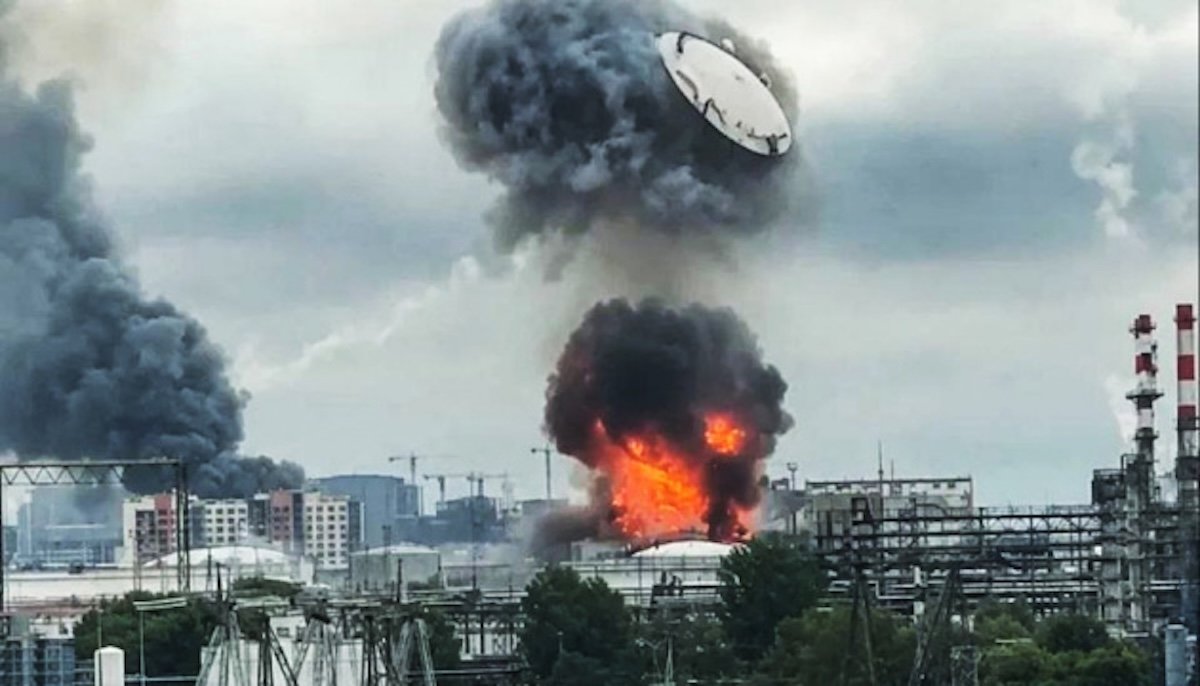
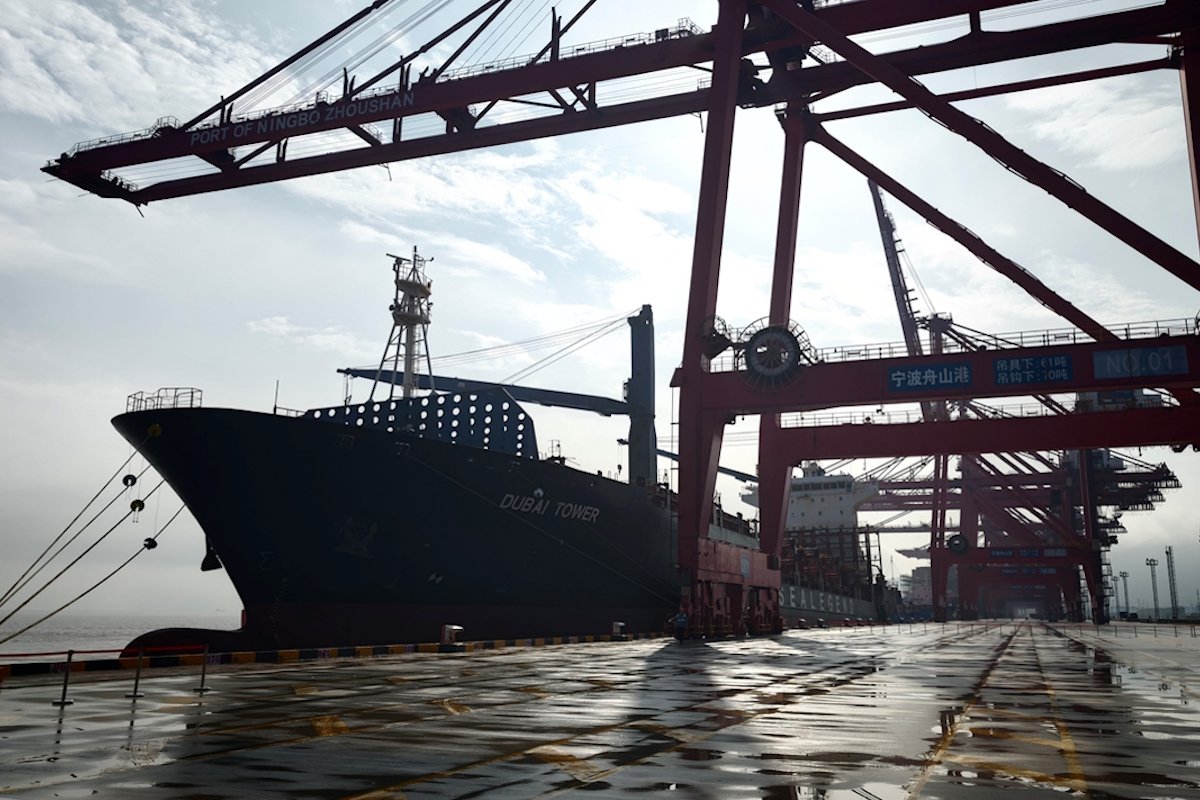
The Houthis occupy a large chunk of western Yemen and a sliver of the southern part of the country, including the capital, Sana’a. Their territory borders the strategic Bab al-Mandeb Strait on the Red Sea, a conduit for 10-12% of global maritime trade. They have greatly tightened their grip on the traffic through the strait, targeted Saudi ships, and attacked Saudi oil and infrastructural facilities. During the closure of the Strait of Hormuz, as much as 70% of Saudi oil exports have been transported from the Abqaiq fields in the Eastern province to Yanbu on the Red Sea for export to the outside world. This pipeline is now damaged and shut. Its repair may take weeks, pushing up the prices of oil around the world with a massive impact on the global economy.
A new security pact faces its first test
Meanwhile, the US-allied Gulf Arab states (Saudi Arabia, Kuwait, Bahrain, Qatar, Oman and the United Arab Emirates) are becoming disillusioned with the Trump administration. They have suffered for hosting American bases and bitterly learned that they can no longer depend on the US as their security provider. For wealthy, oil-rich Saudi Arabia, a search for alternative arrangements has given rise to what is called the Mecca pact, signed into force in August. It partners Saudi Arabia with two predominantly anti-Israel Sunni Muslim states: Turkey, a NATO member, with the second-largest army in the alliance, and Pakistan, the only nuclear-armed state in the Muslim world.
Although no other Arab states have joined the pact at this stage, the Shia Muslim dominated Iran has reportedly welcomed it and also even been invited to join the pact (although Iran has denied receiving a formal invitation). The Houthi operations have nonetheless confronted the Mecca pact with the first test of its viability. Turkey and Pakistan have both voiced support for the defense of Saudi Arabia, but have not entered the conflict yet, possibly on the consideration that the Houthis’ actions do not represent state aggression against the kingdom. At the weekend, however, Turkey’s foreign minister indicated the country could help Saudi Arabia’s military needs.
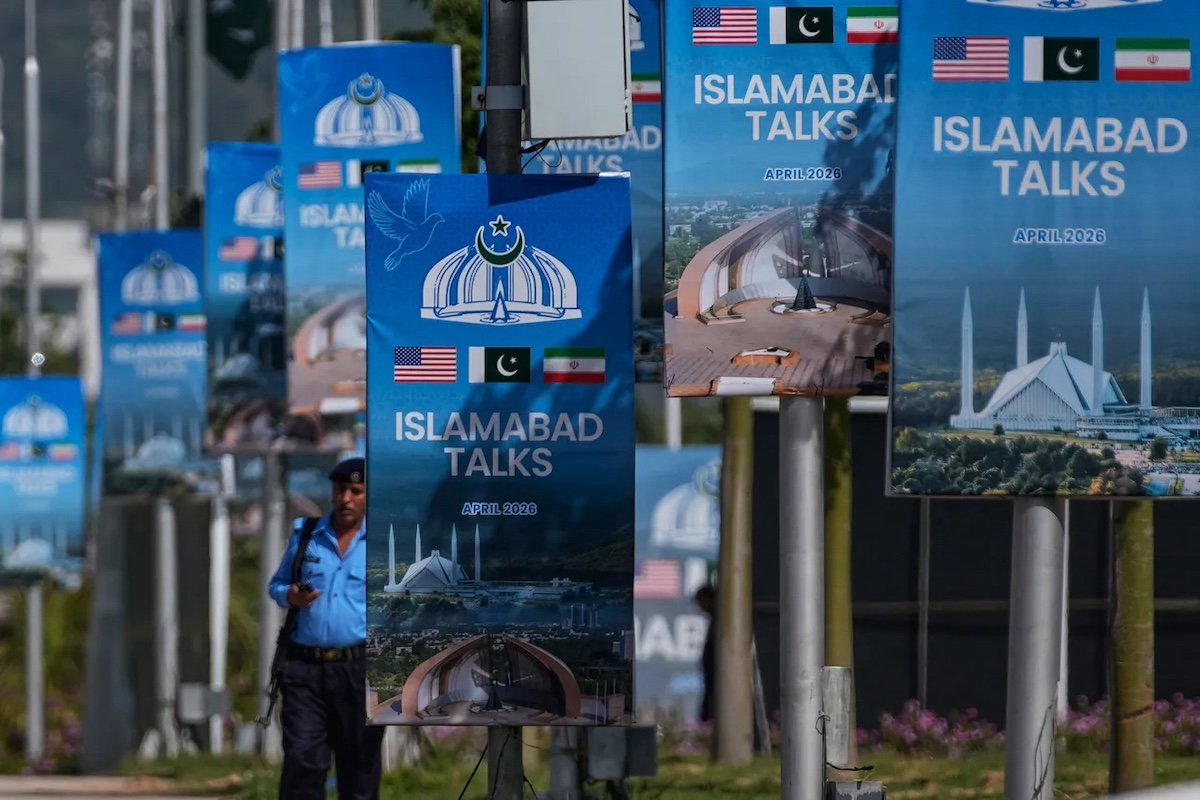
Turkey and Pakistan have both sought to persuade Tehran to restrain the Houthis. The two countries share common borders with Iran and maintain good working relations with it. Ankara has stood for the unity of the Muslim world and Islamabad has acted as a mediator between Tehran and Washington. These are imperatives that they cannot easily overlook in invoking the Mecca pact.
Why the US is reluctant to get involved
In a similar vein, President Trump has so far rebuffed a Saudi request for strikes against the Houthis, for he has perhaps grown to see the limits of American power. He has been hesitant to involve the US on another front, further shattering Riyadh’s confidence in US reliability. US Vice President JD Vance has said Washington is on top of the issue, signaling mediation between the Houthis and Riyadh. And the Houthis have stated they won’t target US vessels in the Red Sea.
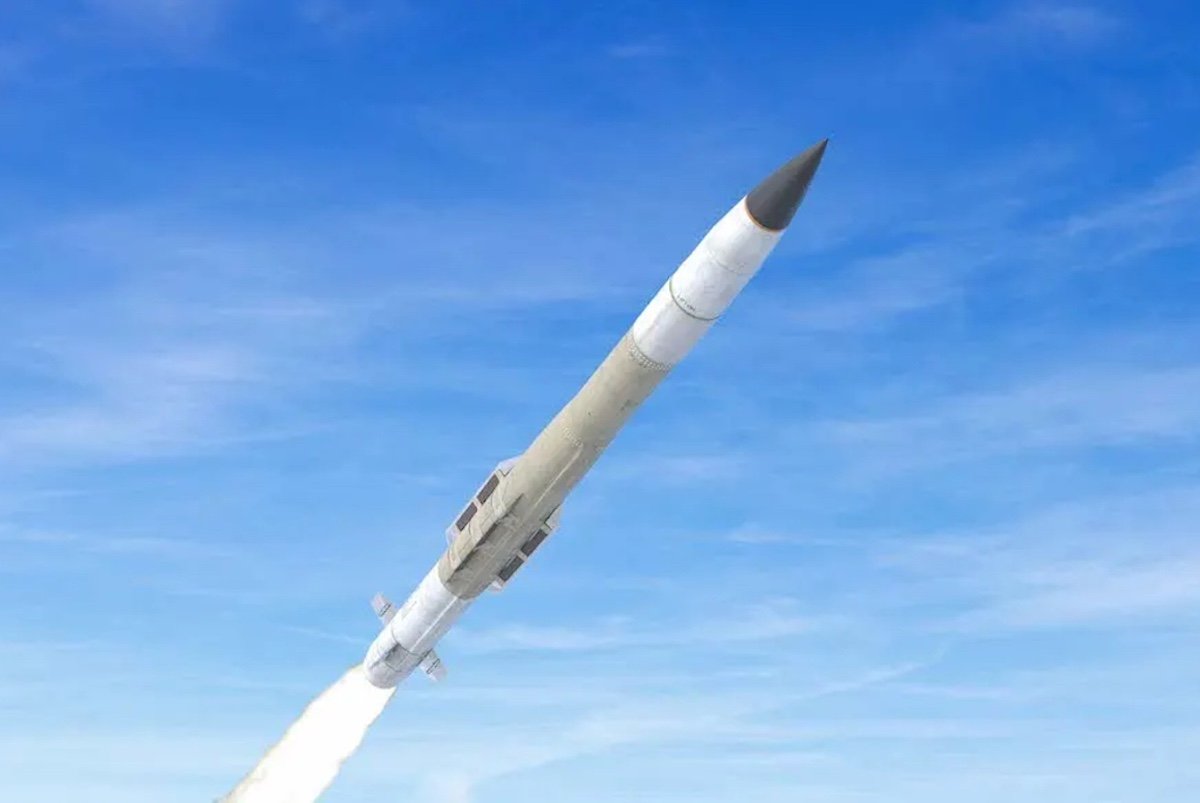
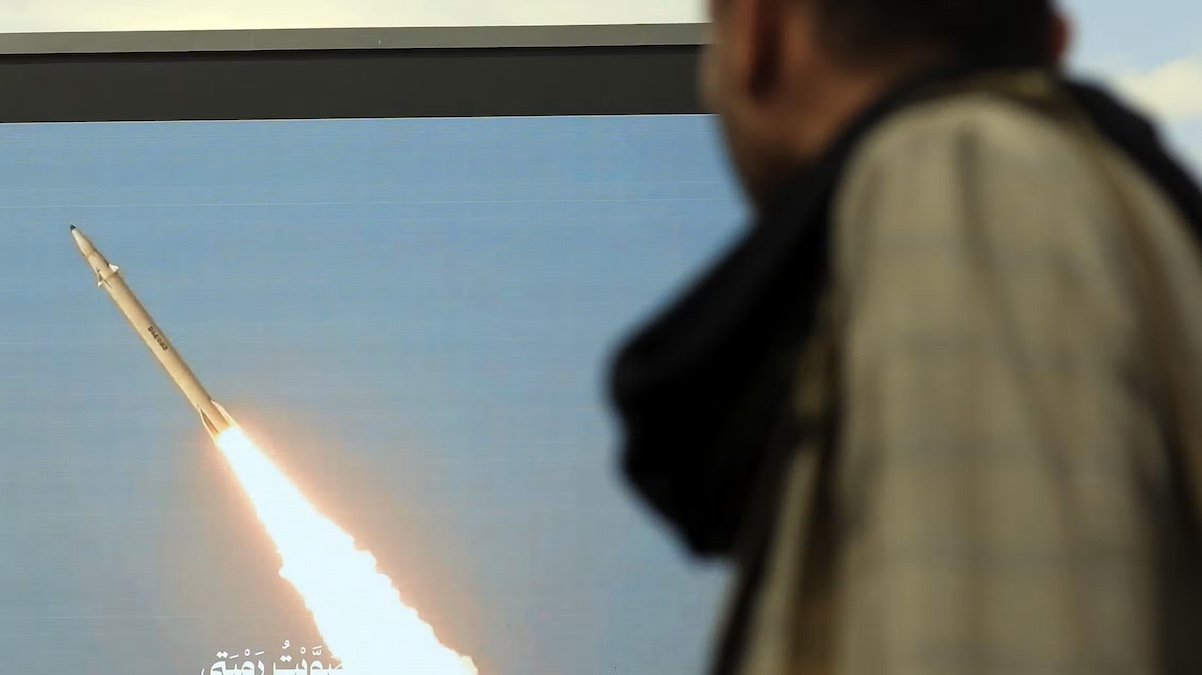
Trump has been keen to see an end to the conflict and a more stable Middle East, saying that the war will be over immediately after the US mid-term elections in November. He has not said how this will happen, but the Houthi advances in the Red Sea are tightening Iran’s grip on global shipping lanes, and the seizure of Mocha port signals a widening conflict. The debut of Iran's Qasem Basir missile raises Gulf escalation risks, and the US-Saudi F-35 deal faces concerns over China tech leaks and Israel's edge. As the war drags on, the region watches to see whether the Mecca pact will hold or crumble under the first trial by fire.