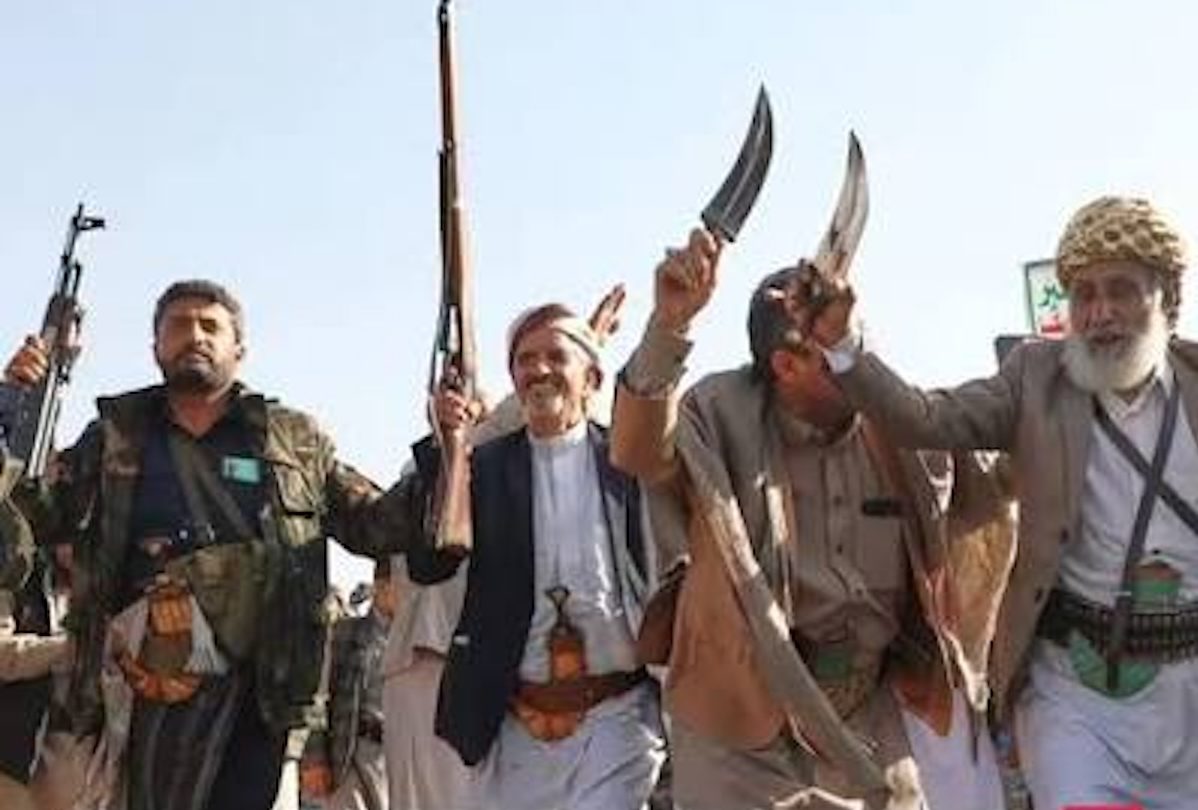
In a swift offensive along Yemen's Red Sea coast, Houthi rebels have seized the port of Mocha and several strategic islands near the Bab el-Mandeb Strait, a narrow waterway that funnels maritime traffic between the Mediterranean and the Indian Ocean. The gains mark a significant escalation in the group's ability to disrupt global shipping, with potential repercussions for energy markets and international trade.
A chokehold on global trade
The Bab el-Mandeb Strait is a critical chokepoint for oil, liquefied natural gas, and other goods. With the Strait of Hormuz facing intermittent closures this year, the Red Sea route has become an essential alternative for energy exports. Saudi Arabia, in particular, has redirected up to 64% of its oil exports through an overland pipeline to the Red Sea port of Yanbu, shipping from there via Bab el-Mandeb.
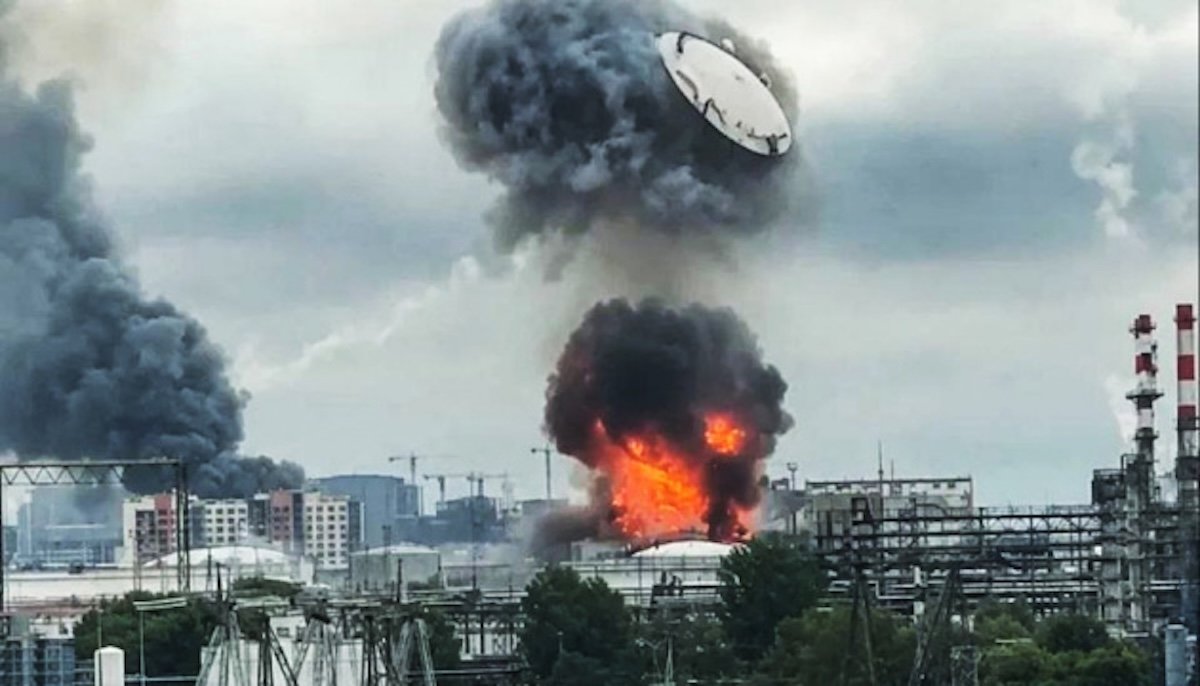
Days before the Houthi advance, drones struck that Saudi pipeline, causing damage estimated to take weeks to repair and spiking oil prices. The attack reportedly originated from Iraq, likely by an Iranian-backed militia. The Houthi territorial gains now place them within 75 kilometres of the Bab el-Mandeb Strait, from where they can threaten shipping using drones, anti-ship missiles, and fast attack boats.
While Red Sea shipping continues largely unaffected for now, the latest moves suggest Iran and its allies are preparing for a prolonged confrontation. The Houthis are part of a civil war against the Saudi-backed Presidential Leadership Council, and their actions are widely seen as coordinated with Tehran.
Oil markets face fresh pressure
The Houthi advances deliver a second blow to Saudi oil exports, already reeling from the pipeline attack. Saudi Arabia was actively involved in Yemen's conflict from 2015 until a fragile truce in 2022, which has held until recently. The Houthis have declared direct targets on Saudi vessels and oil infrastructure, but the impact extends far beyond the kingdom, affecting economies across Europe, Asia, and Africa that rely on goods transiting the strait.
From Mocha, the rebels can effectively control the strait, potentially halting maritime traffic with asymmetric tactics. This capability underscores the vulnerability of global supply chains, which have become a high-risk sector. A 2025 UN trade and development report had already predicted disruptions to continue until at least 2030, with rerouting becoming commonplace.
US influence wanes, Europe may step in
The Houthi move signals an erosion of US influence over global shipping. On Saturday, President Donald Trump stated that the Houthis had asked the US not to intervene, and he refused a request from Saudi Crown Prince Mohammed bin Salman to join strikes on Houthi targets. This hands-off approach contrasts with the EU's defensive maritime operation in the Red Sea, which could draw European forces into direct conflict with the Houthis and, by extension, Iran.
European leaders have so far avoided joining the US in military action over the Strait of Hormuz, but a full closure of Bab el-Mandeb might change that calculus. The EU is already committed to protecting freedom of navigation in the region, and an ongoing crisis could escalate their involvement.
What lies ahead
The next steps depend largely on Saudi and Houthi actions. According to Houthi media, Saudi Arabia has conducted air strikes on Mocha airport and other targets this week. If Riyadh resumes an all-out bombing campaign, it would decisively break the 2022 truce. Meanwhile, the Houthis' willingness to use their new strategic advantage remains unclear. In August, they targeted a cargo ship in the Red Sea, killing six people. Further attacks with loss of life could provoke a response from Saudi Arabia, the EU, and possibly the US.
For the region, the crisis underscores the fragility of maritime trade routes. Countries are likely to accelerate efforts to build overland road and rail alternatives, though these cannot match the volume of sea lanes. In the meantime, the global economy faces higher fuel prices and inflation, with no immediate end in sight to the standoff.