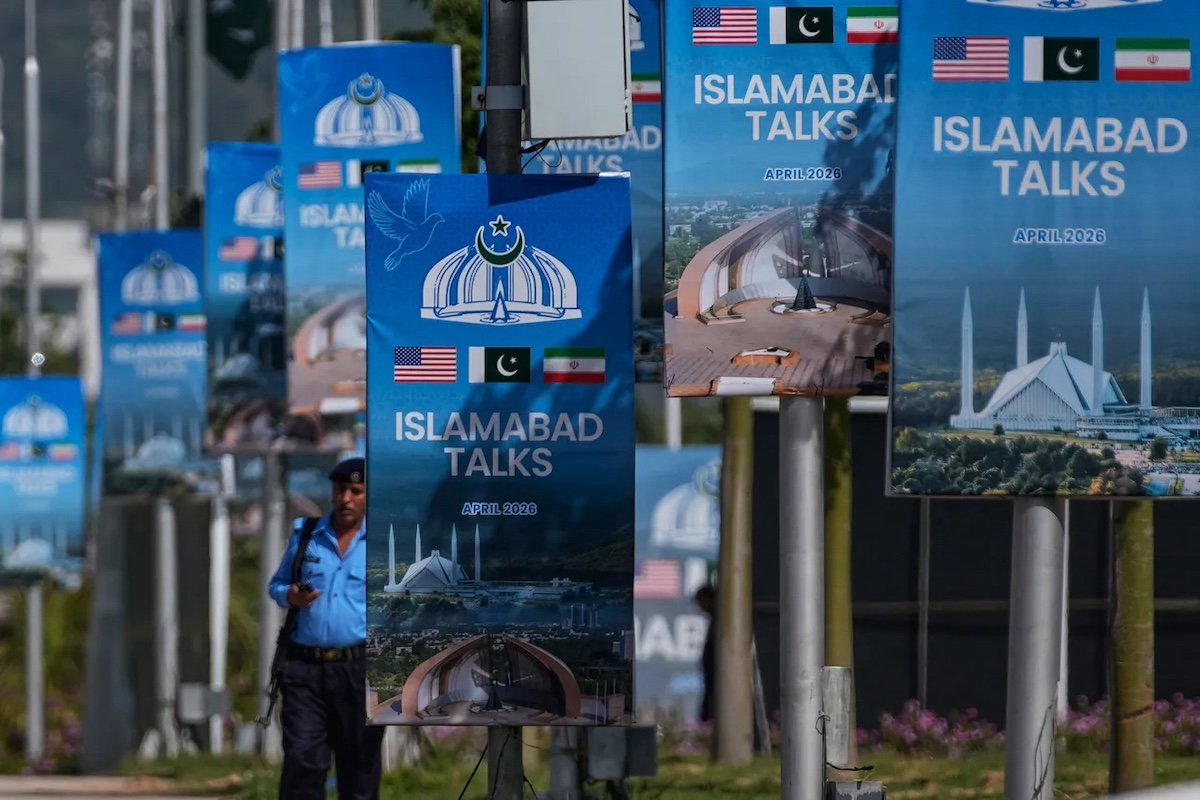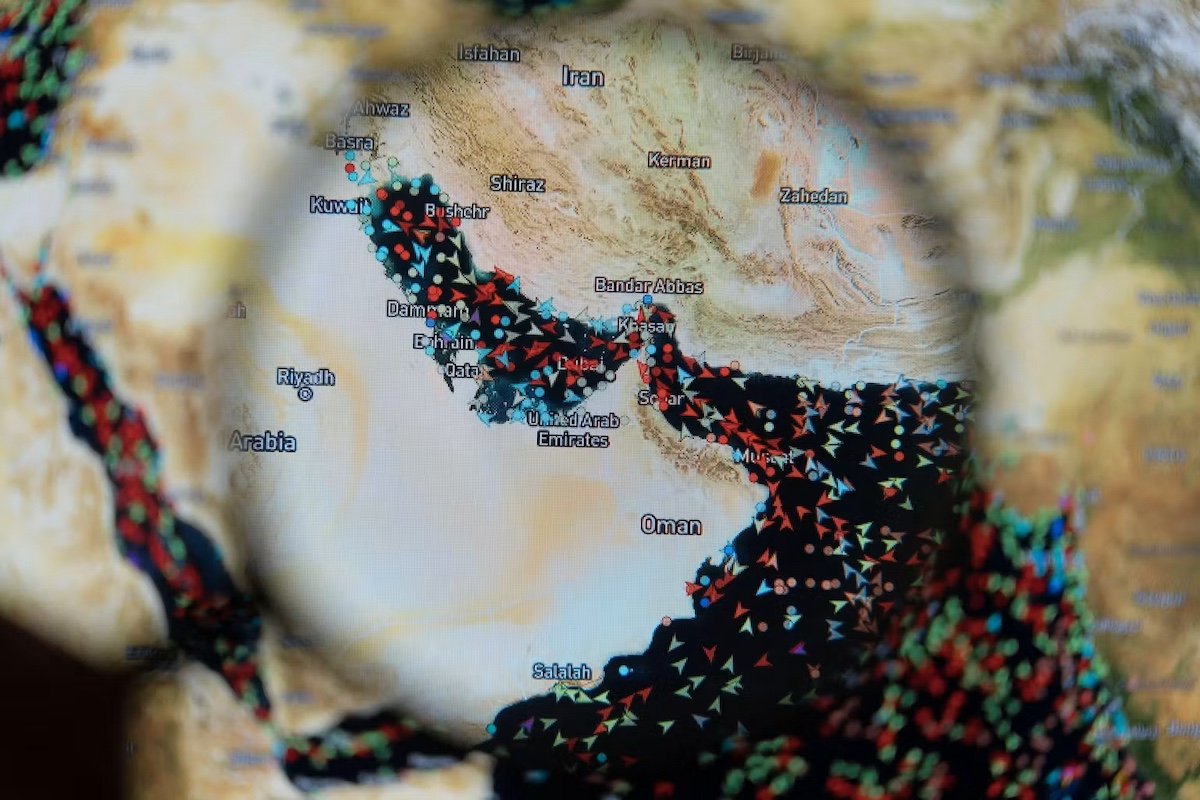
The standoff between Iran and the United States shows no sign of easing. The US Navy continues to intercept vessels bound for Iranian ports, while Tehran threatens shipping transiting the Strait of Hormuz. Less attention has been paid to another vulnerability: the network of undersea cables that carry the world's data through the Gulf.
On August 16, the Wall Street Journal reported that Iranian officials were weighing attacks on this critical undersea infrastructure (CUI). In the Gulf's shallow waters, such a threat is credible and could have far-reaching consequences for the Gulf states and the global economy.
The invisible backbone of the global economy
These cables carry more than 95% of international data traffic, underpinning everything from financial transactions to government communications. Tech giants like Google, Amazon, Meta, and Microsoft are investing heavily in subsea connectivity to support their data centers and the growing demands of artificial intelligence.
For Gulf states like Saudi Arabia, the UAE, and Qatar, which are pouring hundreds of billions of dollars into AI as part of their economic diversification plans, disruption to this infrastructure would be a major setback. Cutting these cables would directly threaten their ambitions to become AI-enabled economies.
The key cable systems in the region include the Fibre in Gulf network, connecting Bahrain, Iraq, Kuwait, Oman, Qatar, Saudi Arabia, and the UAE; the Falcon Network, linking Egypt, India, and several Gulf states; the Asia-Africa-Europe1 (AEE1) system, which runs from Southeast Asia to Europe via Egypt; and Gulf Bridge International, which connects Iran, Iraq, and the Gulf states with onward links to India and Europe.
All these cables funnel through the Strait of Hormuz, a waterway already critical for oil and gas shipments. Now it has become a choke point for global data traffic as well.
Why the Gulf is uniquely vulnerable
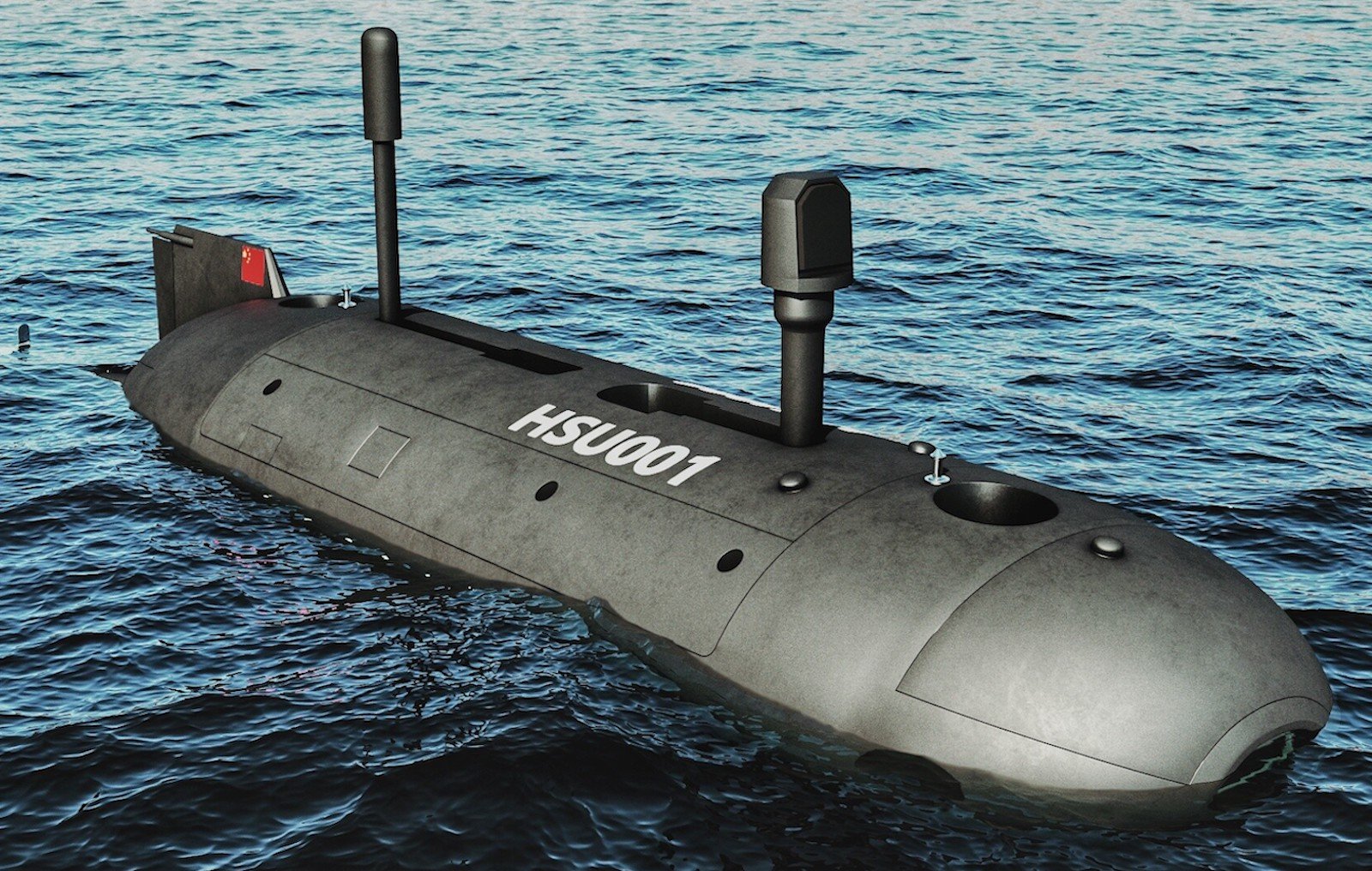
The shallow waters of the Persian Gulf—averaging just 50 meters deep—make the cables easy targets. Unlike deep-sea cables that require sophisticated equipment, attackers here can use remotely operated vehicles (ROVs) or even divers. Iran has already showcased a mine-clearing ROV, and its offshore oil industry likely provides the expertise to operate such assets.
The threat is not hypothetical. Several planned cable projects have been put on hold because contractors say they cannot operate safely in the Gulf. This illustrates how conflict disrupts the maintenance and expansion of the very infrastructure that carries much of the world's trade and communication.
Iran clearly understands the strategic value of these cables and has likely mapped them extensively. It may also have trained divers capable of reaching the seabed. The question is whether Tehran would actually carry out such an attack.
An attack on the cable network would have significant regional and global repercussions. Iran might try to keep it limited to avoid universal condemnation, but given its current isolation, it may be willing to take that risk.
This uncertainty points to a new form of deterrence, reminiscent of Nixon's 'madman theory.' A desperate nation might take extreme action in the CUI domain—with disproportionate consequences—to deter more conventional military strikes.
For the Gulf states, the threat is a stark reminder that their economic future depends on infrastructure that is both vital and vulnerable. As they race to build AI-driven economies, they must also consider how to protect the digital lifelines that make those ambitions possible.