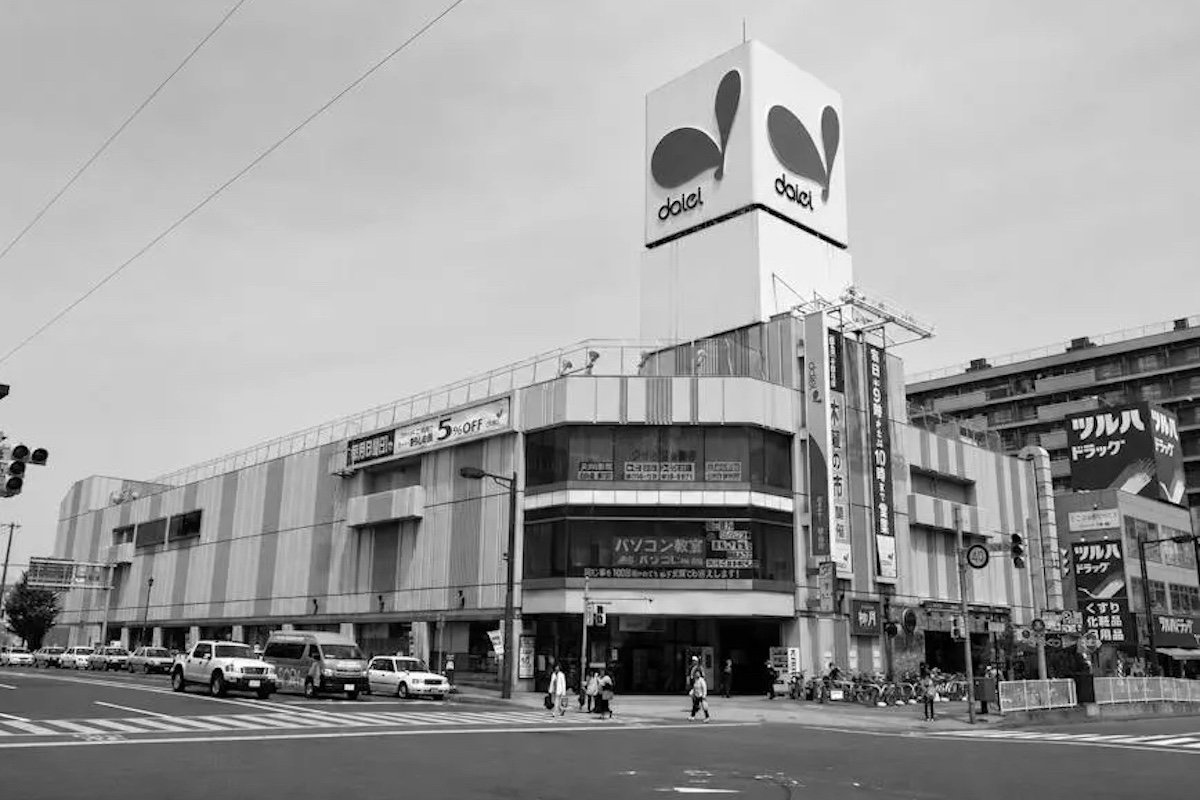
In the 1970s, Daiei was Japan's top retailer. After the asset bubble burst around 1990, it became the country's most famous zombie company—staggering along unprofitably, kept afloat by below-market-rate loans from UFJ Bank and other major lenders. Eventually, Aeon acquired it, and the once-storied brand is set to disappear in the next few years.
Comparisons between post-1990 Japan and post-2021 China often invite skepticism. The two economies differ in industrial policy, trade relationships, and the nature of their bubbles. Yet when it comes to zombie companies, important parallels may be emerging.
What matters about Daiei is not how it failed, but why it didn't fail sooner. In a 2008 paper, economists Caballero, Hoshi, and Kashyap argued that zombie companies like Daiei held back Japan's economy during the 1990s. After the slowdown, many once-profitable firms—especially in construction, retail, and trading—became unprofitable but owed large sums to banks. To avoid recognizing bad debt, banks lent even more money at cheap rates, a process known as evergreening. The new loans paid off old ones and were classified as good debt, allowing banks to sidestep regulatory trouble and public backlash.
Evergreening kept broken business models alive. The authors contend that this hoovered up scarce resources—capital and talent—that healthier companies could have used. With bad loans clogging bank books, lending to viable firms suffered. Zombies like Daiei employed large numbers of managers, depriving young upstarts of talent. This contributed significantly to Japan's long productivity stagnation.
The Japanese government allowed this to preserve employment, given the country's strong tradition of job security. Social unrest was a concern, and bank bailouts were politically unpopular. Throughout the 1990s, the government injected capital and offered regulatory forbearance without forcing banks to cut off zombies.
China's Parallels
China's real estate bubble and bust since 2021 share broad similarities with Japan's experience. A severe economic slowdown—likely worse than official numbers suggest—and a prolonged chill in real-estate-related industries have led to a rise in loss-making companies. According to the Rhodium Group, the share of non-performing loans (NPLs) has actually fallen since 2021, even as fewer companies turn a profit. This suggests widespread evergreening.
Rhodium notes: "The ratio of banks' reported non-performing loans has decreased over the past years, while the share of loss-making enterprises increased…This would indicate Chinese banks have been sitting on large volumes of NPLs that have not yet been fully recognized." The National Audit Office recently reported that 16 of 43 audited banks had NPL levels double the officially reported figure.
Loan rollovers are pervasive. The financial system has served as a shock absorber, channeling resources to loss-making enterprises to maintain output and prevent defaults. Another Rhodium report finds that the proportion of loans made below benchmark rates has risen significantly since 2021, even as benchmark rates have fallen. The Dallas Fed has documented that many Chinese companies, especially in real estate, cannot generate enough income to pay interest on their loans.
These patterns—falling official NPLs, increased below-market lending, and companies unable to cover interest—echo Japan's zombie era. For a deeper look at how China's deflation exit hinges on housing and reforms, see our analysis. Meanwhile, Japan's own defense overhaul is gaining urgency as the LDP proposes major military expansion, as covered here.
Whether China will follow Japan's path of prolonged stagnation remains uncertain. But the signs of evergreening are unmistakable. As Beijing grapples with its property crisis and slowing growth, the risk of sleepwalking into a zombie economy is real.