In early June, Japan's ruling Liberal Democratic Party (LDP) formally accepted a set of recommendations from its Security Research Council to revise the country's three primary national security documents, including the National Security Strategy. The proposals mark a significant departure from decades of incremental defense policy, signaling Tokyo's recognition that the security environment has fundamentally changed.
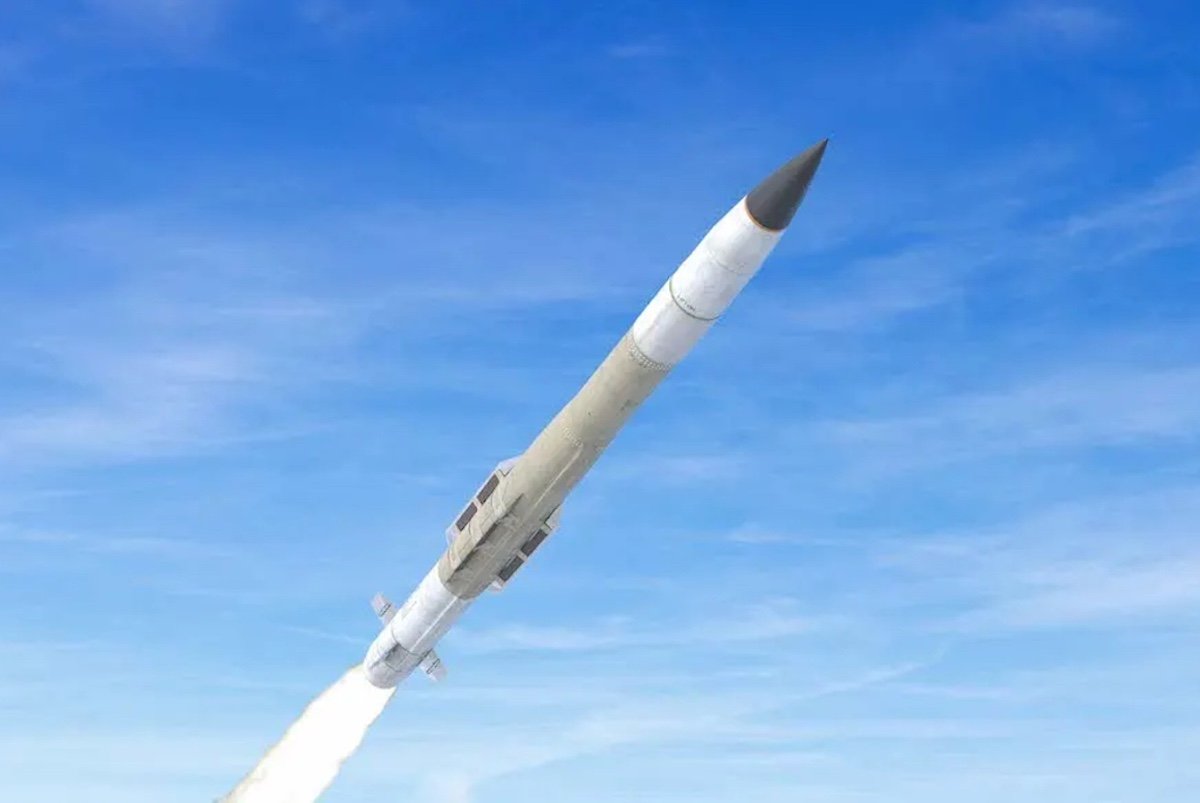
The recommendations cover a broad spectrum of military hardware, from drones and unmanned aerial vehicles to a substantial increase in missile stockpiles and ordnance. Japan is closely studying the war in Ukraine, which has demonstrated how new technologies are reshaping modern warfare. The council's report also emphasizes economic security as an integral component of national defense, proposing that allies cooperate to protect sea lanes and ensure resource stockpiles. This effectively creates an economic Article 5, where free nations would respond collectively when a member faces economic coercion—such as China's potential chokehold on critical exports.
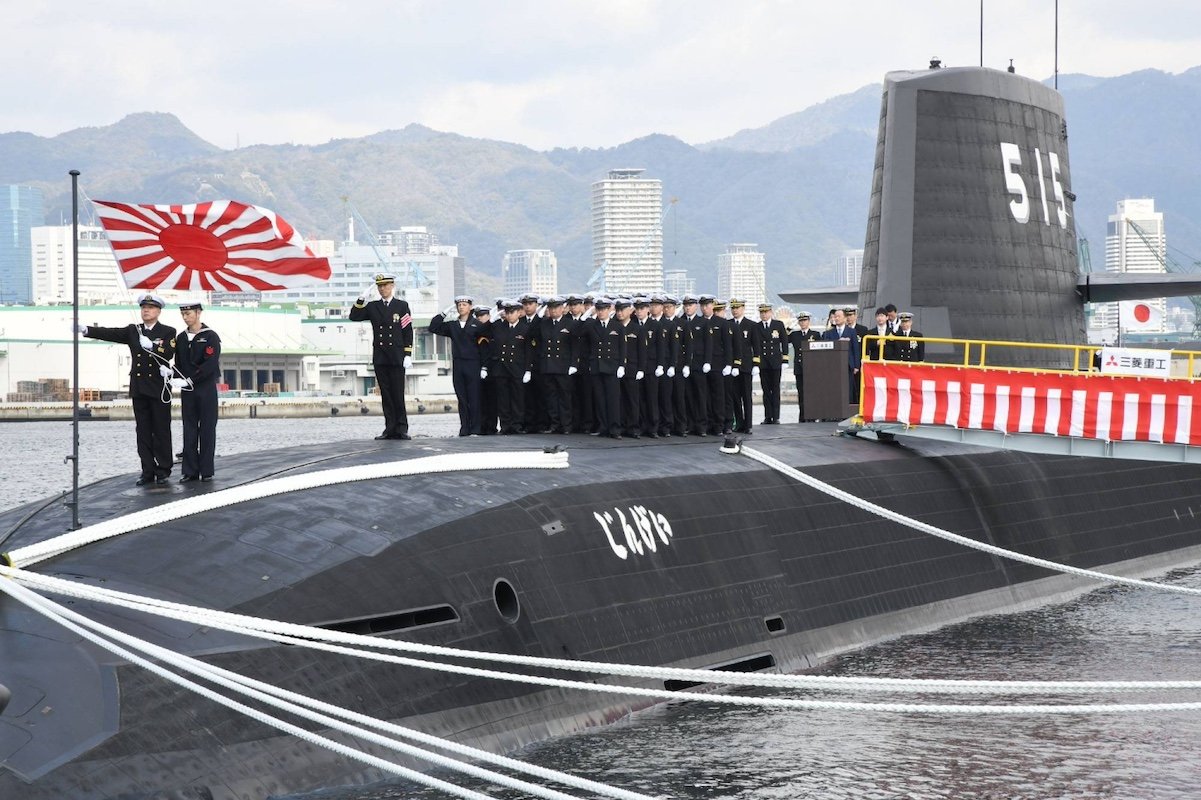
Defense Minister Shinjiro Koizumi has been praised for his proactive communication strategy, successfully countering Chinese disinformation and promoting Japan's role as a stalwart of the free world. The review also includes implicit language calling for Japan to develop nuclear-powered submarines, a move that would represent a major operational and political shift. While such a capability is years away, public opposition to the idea remains minimal, reflecting a changed national mood.
Urgency and Public Support
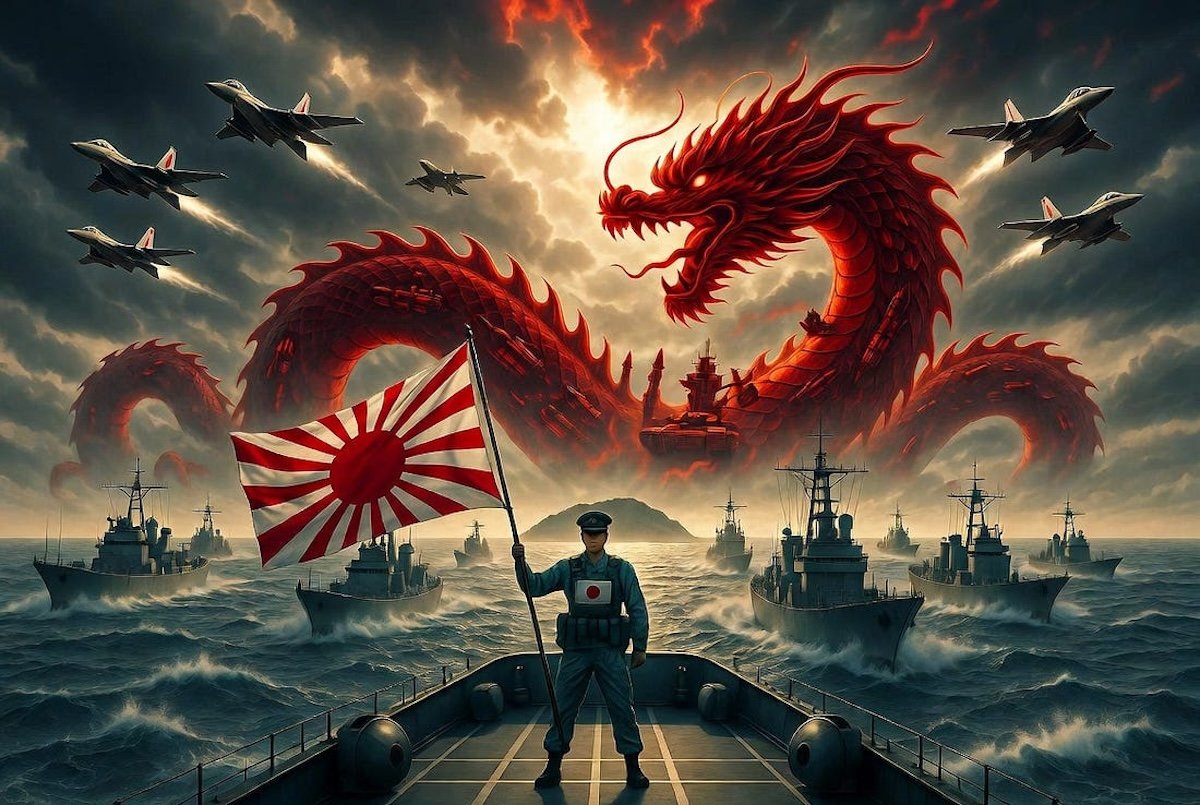
Past LDP proposals have often recognized threats but moved too slowly and on too limited a scale. The current recommendations, however, convey a heightened sense of urgency—an unspoken acknowledgment that Japan may face a shooting war in the not-distant future. This marks a clear shift from five or even ten years ago. Public support for improving defenses is now broad, as seen in recent polls.
The proposals explicitly reaffirm the US-Japan alliance as the cornerstone of Japan's defense. More importantly, they include language that resonates deeply with American expectations: "No country will come to the aid of a nation that is not prepared to defend itself. Japan, too, must clearly demonstrate its national resolve to defend itself and show the determination and resolve to serve as a standard-bearer for peace and security in the region." This is particularly relevant in the current US political climate, where public willingness to support allies is conditional on their own defense efforts.
Japan is also expanding its military presence and defense relationships across the Indo-Pacific, offering to include the United States in ways it has never done before. This reduces pressure on overstretched US forces and diplomatic resources. Strengthening Japan's defense industrial base, as the recommendations call for, would further ease the burden on Washington while benefiting Japan's economy.
However, the report has notable shortcomings. It adopts a defeatist tone regarding Japan Self-Defense Force (JSDF) personnel shortfalls, focusing on robots and AI rather than making military service a lucrative and respected career choice. The government has never offered benefits comparable to the US GI-Bill, and simply accepts that Japanese youth will not join in sufficient numbers. The Maritime Self-Defense Force and Air Self-Defense Force are roughly half the size needed for their missions, yet the report does not address this urgently—unless the assumption is that the US will fill the gap.
Taiwan is not mentioned directly, though references to sea lanes and straits imply it. A clearer stance would be preferable. The report suggests Japan will achieve real progress within five years, which is faster than European NATO allies but still slower than the pace of threats.
Overall, these recommendations represent a historic shift from an era when Japan made excuses for its defense shortcomings. The country now appears determined to do what is necessary to defend itself, with the clock ticking as China and its partners continue their military buildup. As recent discussions at the Shangri-La Dialogue have shown, the era of automatic assurance is over, and Japan is adapting accordingly.