As the United States and China escalate their competition over quantum technology, companies across the sector are restructuring to avoid being drawn into the geopolitical crossfire. Strategies range from building domestic manufacturing bases to establishing separate business units for non-Western markets, executives told Asian Examiner at the Commercializing Quantum Global 2026 conference in London.
In the laboratory, physicists race to achieve entanglement—the quantum phenomenon where particles become inextricably linked regardless of distance. In the boardroom, however, quantum firms are doing everything they can to avoid entanglement of a different kind: the one between Washington and Beijing.
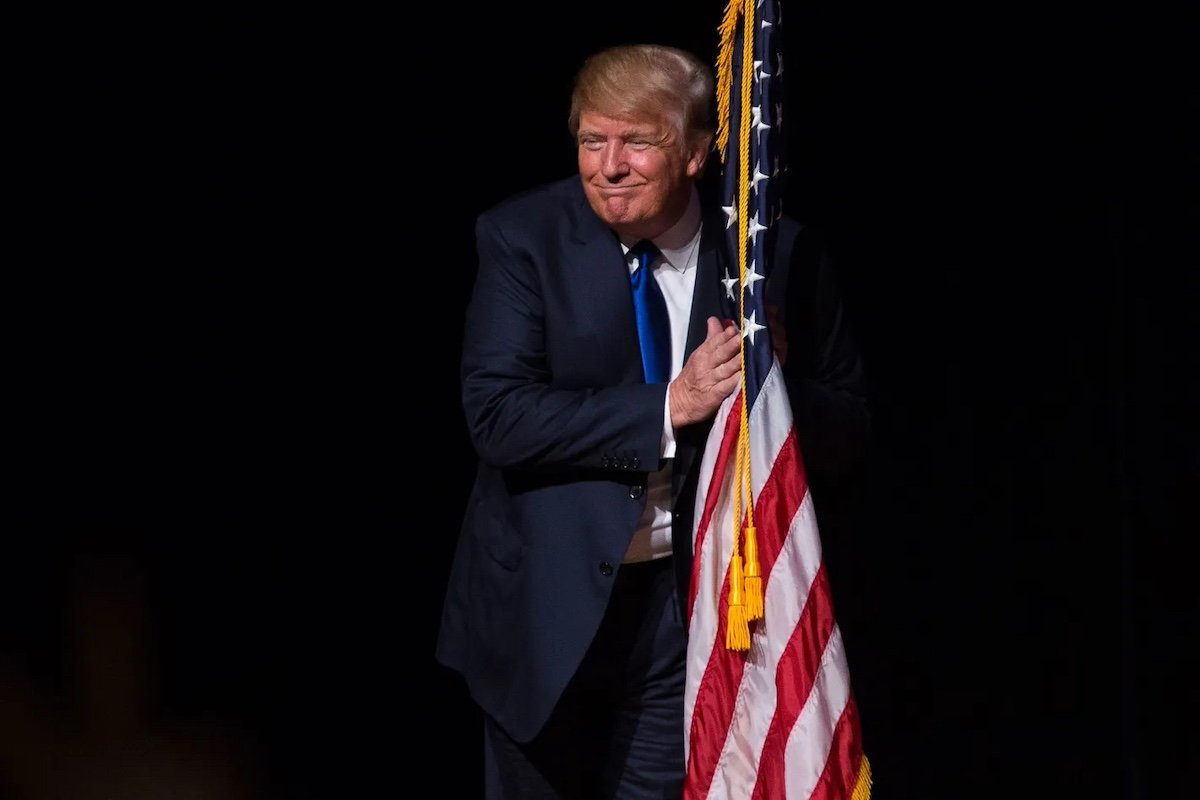
This week, US President Donald Trump signed an executive order directing federal agencies to strengthen domestic quantum supply chains and manufacturing capabilities, update the national quantum strategy, and expand counterintelligence protections for quantum technologies. The order frames competing nations, including adversarial countries, as a direct threat to American quantum leadership.
Divergent Strategies by Geography
The response from quantum firms varies sharply by location. US-based companies are focusing on local customers and supply chains, while UK and European players see an opening to serve both allies and non-allied nations. Taiwanese firms, caught between the two superpowers, are racing to build sovereign quantum capabilities before tightening export controls close that window.
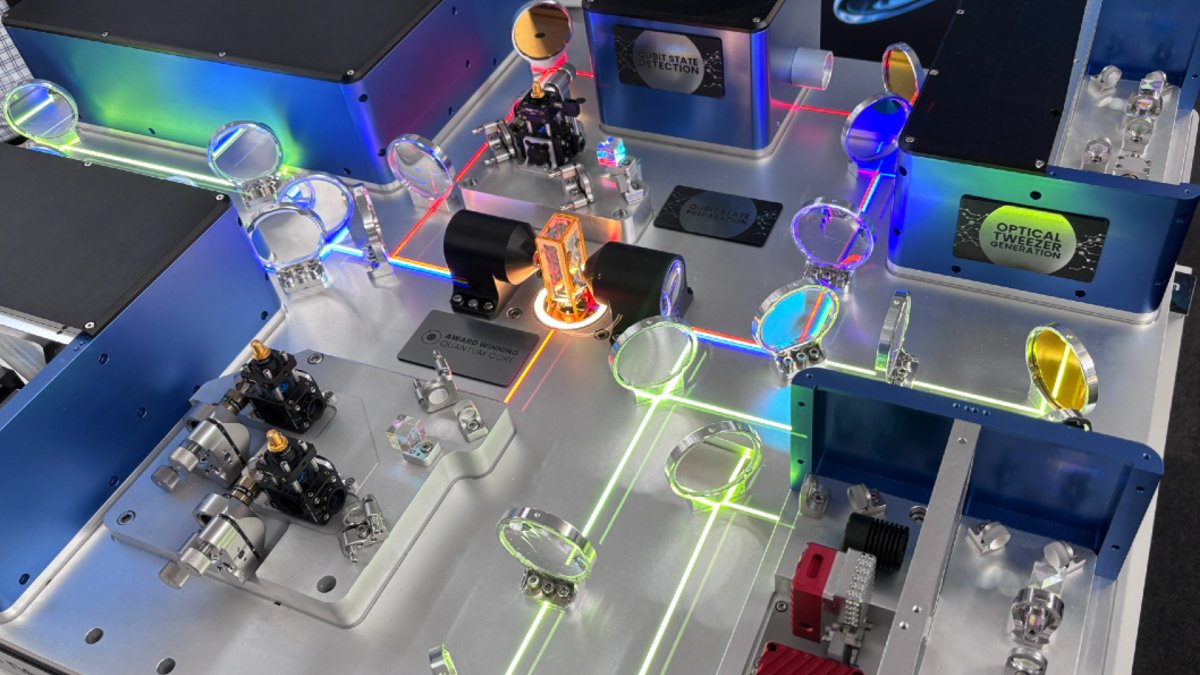
Yuping Huang, chairman and chief executive of Quantum Computing Inc (QCI), a publicly listed US quantum photonics company, told Asian Examiner that his firm is expanding a thin-film lithium niobate foundry in Tempe, Arizona, to produce active and passive photonic chips. This is part of a deliberately domestic manufacturing footprint spanning multiple US states.
“In order to mitigate the risk imposed by geopolitics, we have been working on establishing our manufacturing capabilities in the US. Right now, we are not subject to export control restrictions, but that could change. When there are restrictions, we just have to follow the rules,” Huang said.
Huang, a US citizen who graduated from the University of Science and Technology of China (USTC) in 2004 and earned his PhD in quantum physics from Michigan State University, founded QPhoton in 2020 before merging it with QCI in June 2022. He is the single largest shareholder in QCI.
When asked whether QCI planned to set up a separate overseas unit to serve non-Western markets, Huang said the company had not yet considered that approach. “Quantum technology is open. We should use the open approach to studying and commercializing quantum. The quantum industry can benefit from reduced interference from geopolitical factors,” he added.
Other firms at the conference echoed the need for flexibility. Executives from Infleqtion and ORCA Computing, alongside a board advisor from Foxconn, shared how they are navigating the intensifying US-China quantum race. The broader context includes Trump's push to outpace China in quantum, which has also sparked debate over defense spending and broader tech competition.
The quantum sector's maneuvering reflects a wider trend in Asia's tech landscape, where countries like Japan are pushing for rare earth price floors to counter China's dominance, and Asia's space race is challenging US leadership. For quantum firms, the challenge is to remain commercially viable while avoiding the gravitational pull of great-power rivalry.