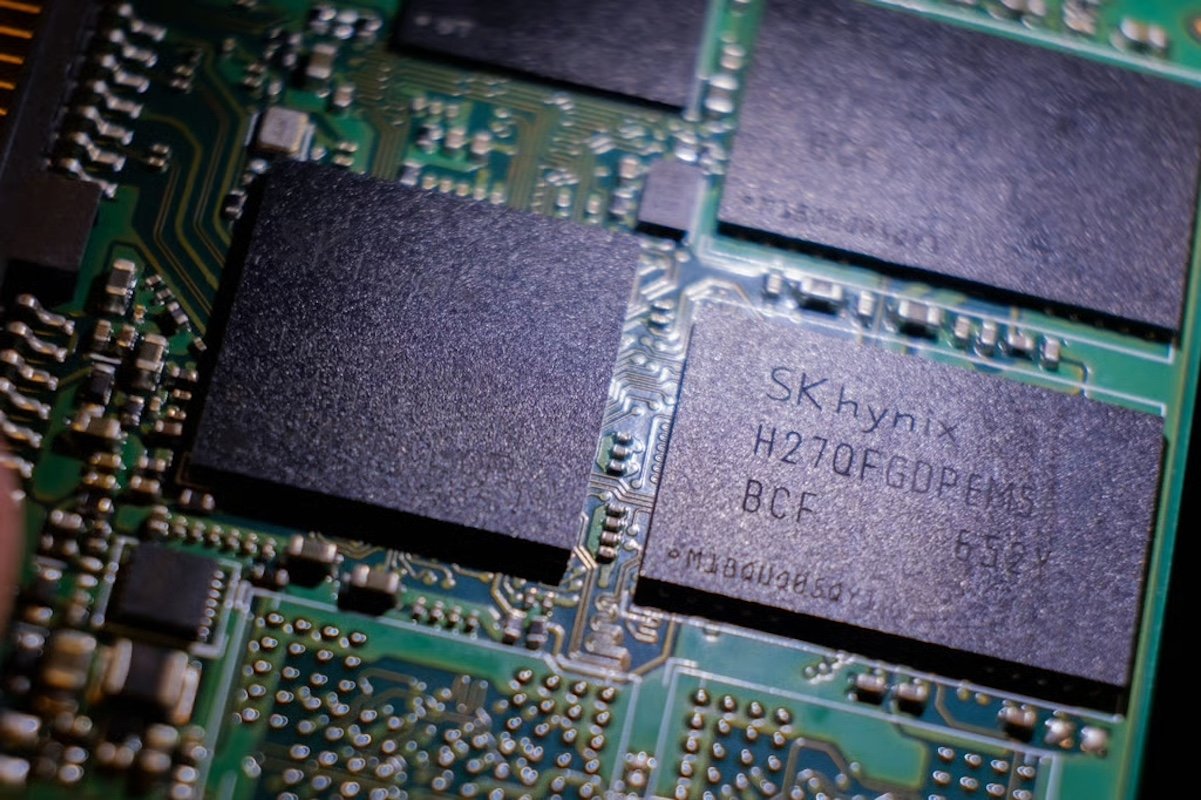
TOKYO – For months, South Korea's semiconductor giants appeared to be bracing for a punishing 2026, caught between US President Donald Trump's trade war and China's deflationary spiral. Then artificial intelligence arrived like an unexpected windfall, lifting SK Hynix shares 348% year-to-date and Samsung 199%, while the broader Kospi index surged past 111%.
The AI boom has transformed Korea's economic outlook. In the first quarter, AI-fueled demand pushed exports up 40%, helping the country's $1.9 trillion GDP grow 1.7% year-on-year, offsetting weak consumer spending, sagging auto sales, and creeping inflation. But the rally has also raised a troubling question: is this a sustainable supercycle or a bubble waiting to burst?
Asia's Uneven AI Bet
South Korea is not alone. China, Japan, Malaysia, Taiwan, Vietnam, and other economies are riding the AI wave to varying degrees. “This is what an AI supercycle looks like,” says Evercore ISI analyst Amit Daryanani. Yet the concentration of gains in chipmakers and data-center builders leaves these economies dangerously exposed to a reversal.
The parallels to the dot-com era are hard to ignore. Michael Burry, the investor who famously bet against the housing market before the 2008 crash, said in mid-May that he sees technical and fundamental signals pointing toward the “same conclusion” he reached when sizing up the late-1990s frenzy against today's AI boom. Nobel laureate Paul Krugman, in a Substack post titled “The Chips Are Down,” described the current setup as “very fragile. It's a kind of bubble, but not in the normal sort of asset-price form. It's more of a kind of fad, almost a social delusion.”
Tuesday's jarring 10% plunge in the Kospi already felt like old news, erased by Micron's blockbuster forecast, which put the global AI trade back on solid footing — for now. But the volatility underscores how quickly sentiment can shift.
What a Chip Wreck Would Mean for Asia
If the AI trade unravels, the fallout would be severe for economies that have bet heavily on chip exports. South Korea's GDP growth is increasingly tied to semiconductor demand, while Taiwan's TSMC and Japan's Rapidus are racing to expand capacity. Even Southeast Asian nations like Malaysia and Vietnam, which have attracted data-center investments, could see projects shelved.
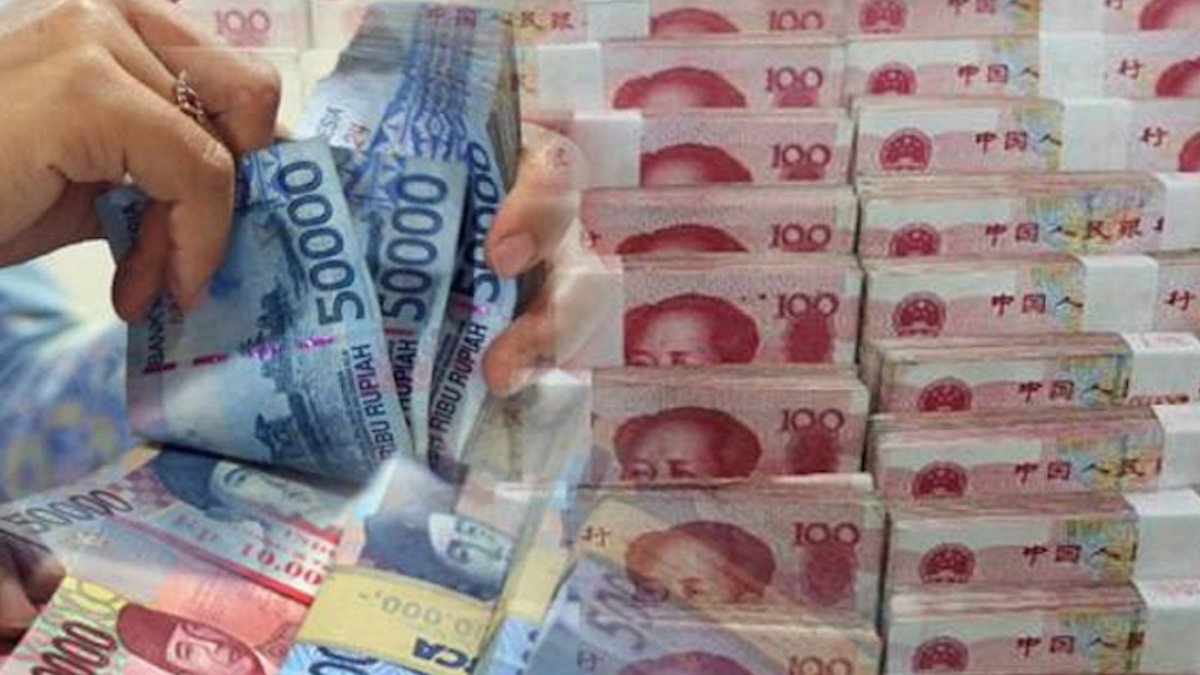
The risk is compounded by currency vulnerabilities. A strong dollar has already pummeled Asian currencies from Tokyo to Jakarta, making dollar-denominated debt more expensive and squeezing import-dependent economies. A chip downturn would amplify these pressures, potentially triggering capital outflows and financial instability.
Some governments are hedging their bets. Singapore, for instance, has quietly pursued a diversified AI strategy that focuses on applied research and talent development rather than hardware manufacturing. As we've reported, Singapore's quiet AI strategy may prove more resilient in a downturn. But for Korea, Taiwan, and others, the stakes are existential.
“The whole industry's meme-ification is putting whole economies at risk,” Krugman warned. Asia is about to find out whether the AI boom is a genuine revolution or a social delusion — and the answer could reshape the region's economic landscape for years to come.