TOKYO — The dollar's relentless rally, driven by a hawkish turn at the Federal Reserve under new Chair Kevin Warsh, is pummeling Asia's most fragile currencies, forcing governments from Tokyo to Jakarta into a defensive crouch. Since taking office on May 22, Warsh has run a tighter monetary policy than markets anticipated, complicating the economic bets of leaders across the region.
With U.S. inflation at 4.2% and a resilient labor market, the Fed's stance is not a solo act: nine of 19 policymakers already project a rate hike this year, and any dovish pivot would face stiff resistance from bond markets. Deutsche Bank economists now forecast two 25-basis-point hikes, a sharp reversal from earlier expectations. That shift is reshaping Asia's calculus at breakneck speed.
Japan's Yen Under Siege
The yen has slipped past the psychologically charged 160 level against the dollar, its weakest since July 2024, and now hovers near 161.96—a breach that would mark the lowest since 1986. Analysts warn a slide to 170 could look inevitable, with some even flagging a potential freefall to 200 or beyond. From Tokyo: Iran Conflict Erodes Japan's Trust in US Leadership adds another layer of geopolitical strain.
Prime Minister Sanae Takaichi's government has staked its economic strategy on a weak yen, ultra-low rates, and fiscal loosening—a risky bet that now looks increasingly fragile. Japan's economy is growing at just 0.5%, while the Bank of Japan's internal inflation gauge runs at 2.8% year-on-year, more than five times the GDP growth rate. The BOJ's recent rate hike to 1%, a 31-year high, may be the last for a while, as a hawkish Fed pulls capital toward U.S. Treasuries and threatens the Nikkei's bull run.
“A key factor behind the acceleration of yen weakness has been the significantly widening gap between domestic and overseas monetary policies,” says Ataru Okumura, strategist at SMBC Nikko Securities.
Indonesia's Rupiah Crisis Deepens
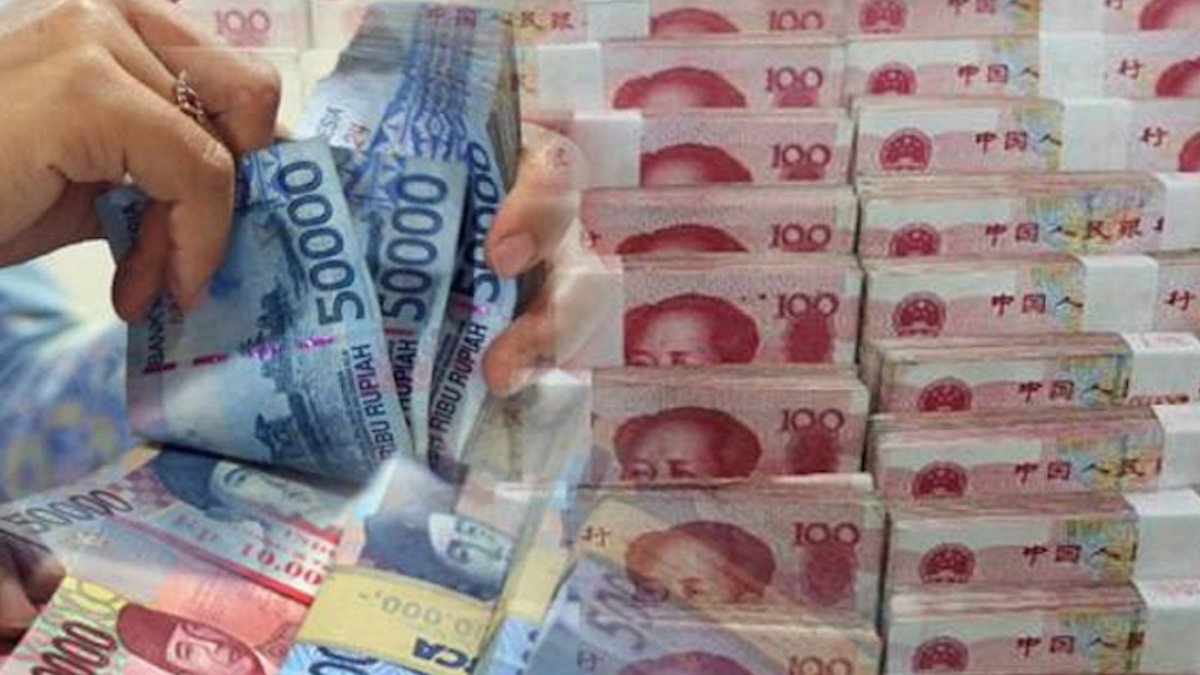
In Southeast Asia, the rupiah has fallen 7% this year, hitting an all-time low that surpasses the depths of the 1997-98 Asian financial crisis. President Prabowo Subianto's government and Bank Indonesia are intervening frantically to stem capital flight from the region's largest economy. The pressure, says UOB Kay Hian analyst Suryaputra Wijaksana, “signals that the US-Iran war is now materially impacting Indonesia's economy and external balance,” a problem likely to persist through 2026.
Prabowo's twin current-account and trade deficits are colliding with a runaway dollar, while risk-off sentiment from the Iran conflict leaves little room for currencies like the rupiah in global portfolios. His insular policies since October 2024—including the abrupt firing of respected Finance Minister Sri Mulyani Indrawati in September 2025—have repelled investors. Indonesia's Rupiah Crisis: Beyond the Dollar, a Story of Policy Missteps and Structural Strains details how these moves have unwound reforms under former President Joko Widodo.
MSCI is threatening to downgrade Indonesia from developing to frontier market status, with a decision expected Wednesday. Oxford Economics economist Artie Lam flags Indonesia among countries most likely to “face the most market pressure to rein in spending.”
Regional Ripple Effects
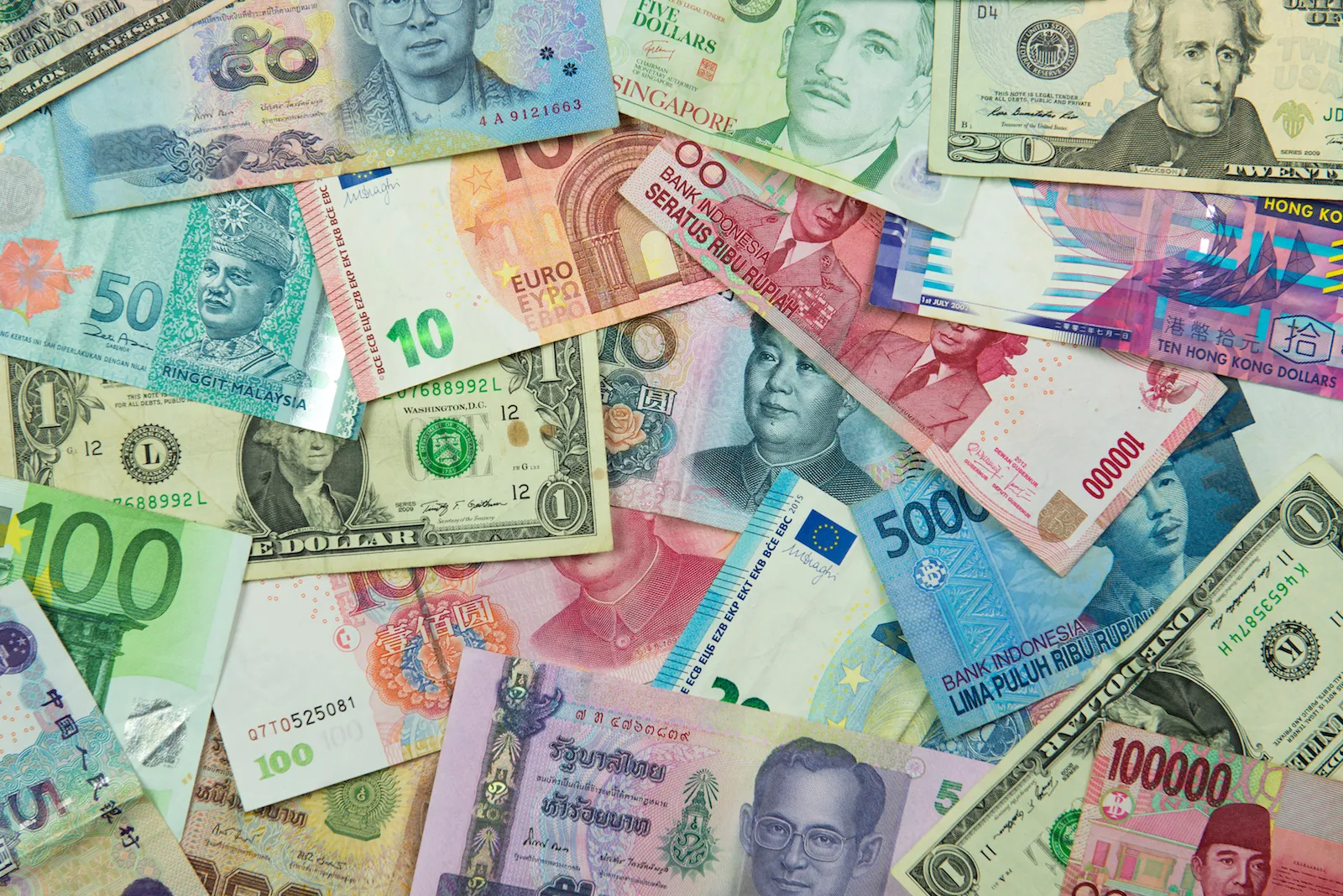
The dollar's strength is punishing currencies across the board, from the Philippine peso to the Thai baht. Uncertainty over the U.S.-Iran conflict—including vessel safety in the Strait of Hormuz, a chokepoint for a fifth of global oil supply—is adding fuel. Is the Strait of Hormuz the US Dollar's Suez Moment? explores how this geopolitical risk amplifies dollar demand.
“The dollar is king while this conflict lasts,” says Carol Kong, economist at Commonwealth Bank of Australia. “If we’re right about this conflict being protracted, oil prices will just keep rising and it will push the dollar higher, at the expense of net energy importers like the Japanese yen and the euro.”
For Asia, the Fed's hawkish pivot is a stark reminder of the region's vulnerability to external monetary shocks. With the BOJ on hold and the Fed tightening, the yen's freefall could accelerate, while Indonesia's political stakes—Prabowo is a protégé of the late dictator Suharto, ousted during the 1997 crisis—add a layer of historical weight. The dollar's wrecking-ball tendencies are reshaping Asia's economic landscape, one fragile currency at a time.