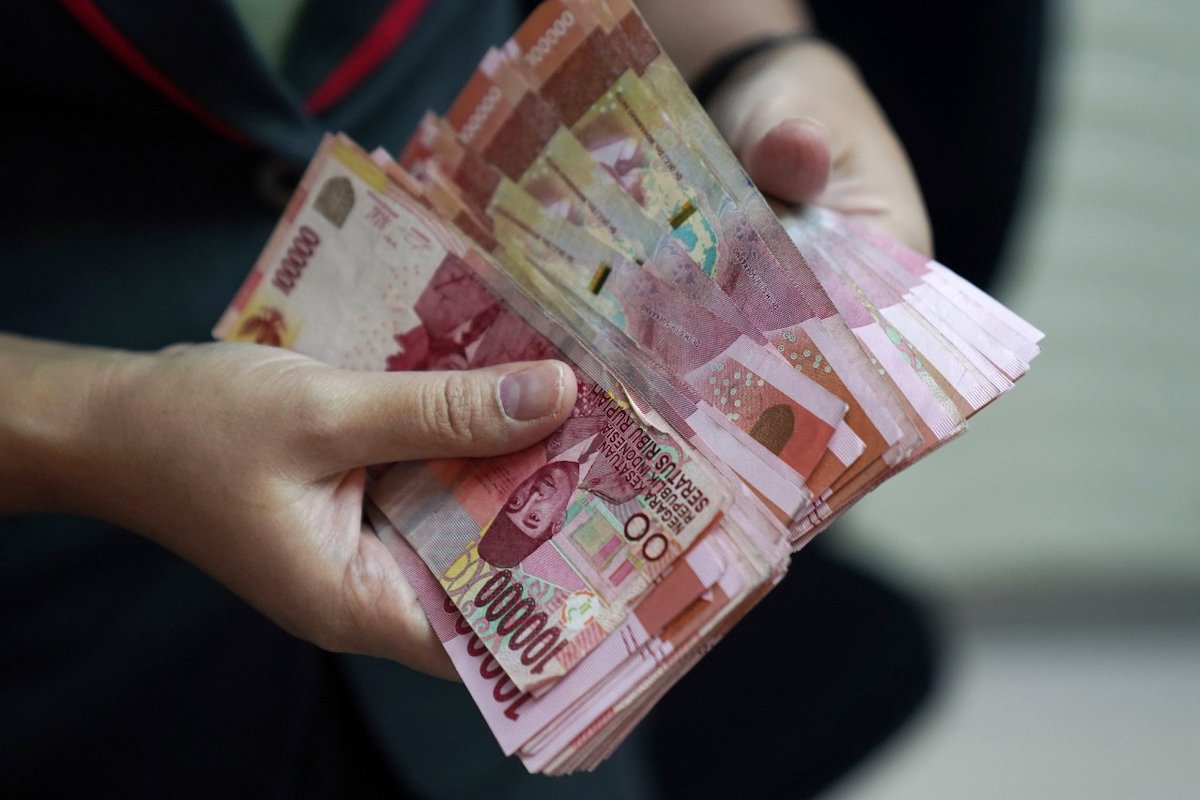
The rupiah's relentless depreciation through April and May 2026 has pushed Indonesia's currency to record lows, nearing the psychological threshold of 18,000 against the US dollar. When the rupiah broke past 17,000 in early April, it revived painful memories of the 1997–1998 Asian financial crisis, when the currency's collapse exposed deep structural weaknesses and imposed heavy costs on ordinary Indonesians.
In theory, long-run exchange rates should reflect purchasing power parity, accounting for inflation differentials between countries. By historical inflation gaps between Indonesia and the United States, the rupiah's recent decline might appear as a reasonable adjustment. Yet the sharpness of the slide over two months points to something far more severe: an extreme overshooting phenomenon driven by panic, massive capital flight, and an acute shortage of dollar liquidity in Jakarta's spot market.
Delayed Response and Loose Liquidity
The crisis has been aggravated by Bank Indonesia's delayed response. The central bank, comforted by moderating domestic inflation—which fell to 2.42% in April 2026—mistook temporary seasonal effects from post-Eid consumption and the annual harvest cycle for a lasting trend. Keen to sustain economic growth and credit expansion, Bank Indonesia kept its benchmark rate unchanged for seven consecutive months through April 2026.
Instead of raising rates, the central bank attempted to stabilize the rupiah through non-interest-rate instruments: aggressive triple-intervention in the foreign exchange market, tighter rules on foreign currency conversion without underlying transactions, and issuance of short-term monetary securities. This policy mix failed. Under the logic of monetary quantity theory, absorbing dollars from the market requires tighter control of domestic money supply. Instead, Bank Indonesia allowed base money growth to remain in double digits, sustaining cheap rupiah liquidity. Combined with the rapid expansion of digital transactions accelerating money circulation, this abundance created a perverse incentive: market participants borrowed cheaply in local currency, converted to dollars, and moved capital offshore for higher yields abroad.
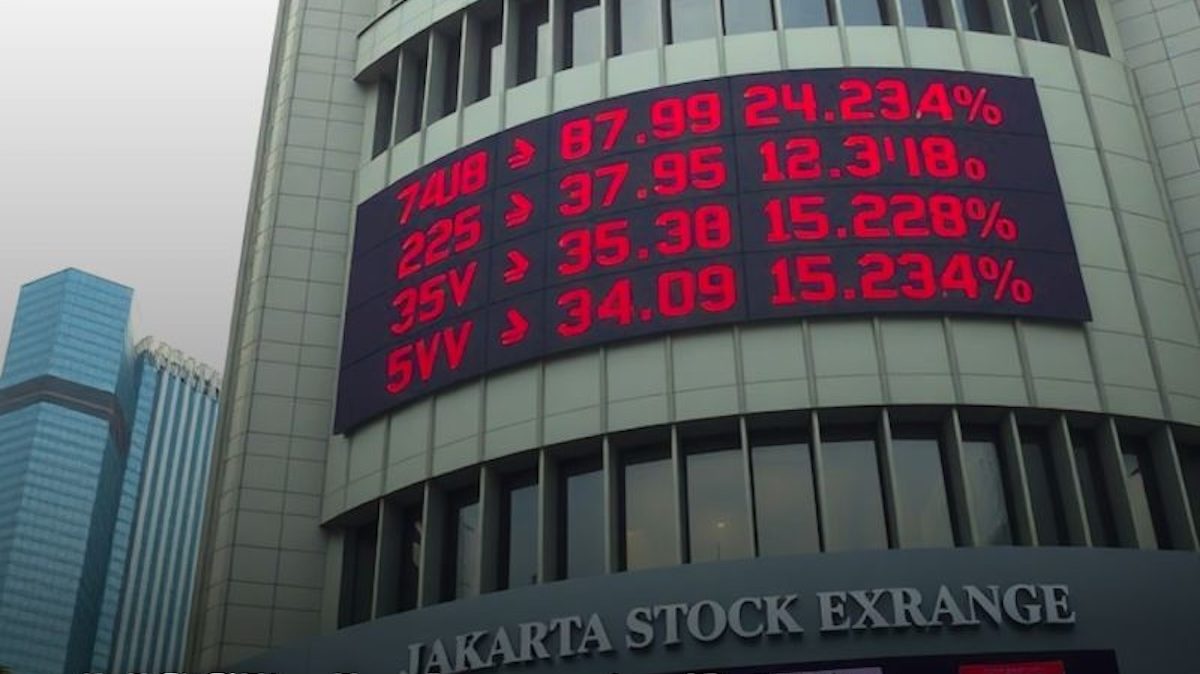
As the rupiah weakened toward 17,700 per dollar in mid-May, Bank Indonesia finally made an aggressive move, raising its benchmark rate by 50 basis points to 5.25%. The hike was designed to create a shock effect amid pressure on foreign exchange reserves and geopolitical tensions in the Middle East disrupting trade through the Strait of Hormuz. Indonesia, a net energy importer despite its oil and gas reserves, faced additional strain as global crude prices surged toward $96 per barrel and US Treasury yields climbed to 4.66%. Yet instead of calming investors, the rate hike triggered disorientation. Jakarta's stock market plunged more than 2% on fears of rising corporate financing costs, while government bond prices came under intense pressure.
This reveals Indonesia's monetary paradox. According to uncovered interest parity, higher domestic rates should strengthen a currency by making local assets more attractive. But such textbook assumptions break down during extreme market anxiety. The 50-basis-point increase proved insufficient to offset expectations of further rupiah depreciation and the rising risk premium attached to Indonesian assets. Global investors fled to safer overseas assets amid growing perceptions of panic in the Indonesian government.
Structural Dollar Shortage and Regulatory Shock
Market pessimism gained further justification when Indonesia's external fundamentals deteriorated sharply. The current account deficit in the first quarter of 2026 widened to $4 billion, equivalent to 1.1% of GDP—the widest since the pandemic. Simultaneously, the capital account deficit deepened as large volumes of private-sector external debt matured. Indonesia's overall balance of payments recorded a historic deficit of $9.1 billion, the worst quarterly figure in more than two decades. The message to global fund managers was clear: Indonesia faces a structural shortage of dollars.
At a fragile moment, poorly calibrated domestic regulations added another blow. The government's decision to introduce new rules under Government Regulation No. 21 of 2026, effective June 1, requires non-oil-and-gas exporters to repatriate and retain all export earnings within state-owned banks for a minimum of 12 months. This has triggered widespread anxiety among exporters, who fear losing access to their own capital. The establishment of new entities such as PT Danantara Sumberdaya Indonesia, a sovereign fund, has also raised concerns about state overreach. For more on the risks of state-controlled commodity trade, see Indonesia's Risky Return to State-Controlled Commodity Trade.
The rupiah's rout is not merely a story of dollar strength. It reflects a confluence of delayed policy action, loose liquidity, structural external imbalances, and regulatory missteps that have eroded investor confidence. As Bank Indonesia struggles to regain credibility, the broader lesson for Southeast Asia is clear: currency stability requires not just interest rate tools but consistent policy frameworks that address underlying vulnerabilities. For a deeper look at how capital flight and trade fraud have kept the rupiah under siege, see Capital Flight and Trade Fraud Keep Indonesia's Rupiah Under Siege.