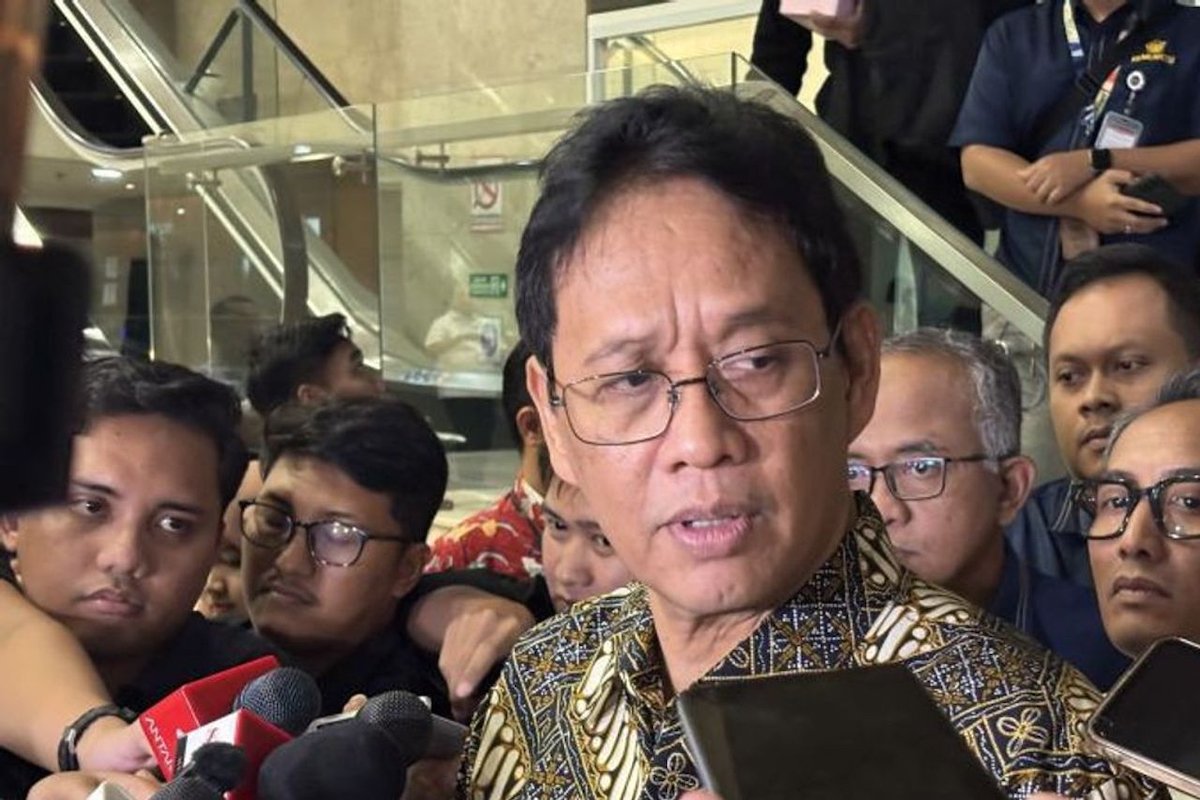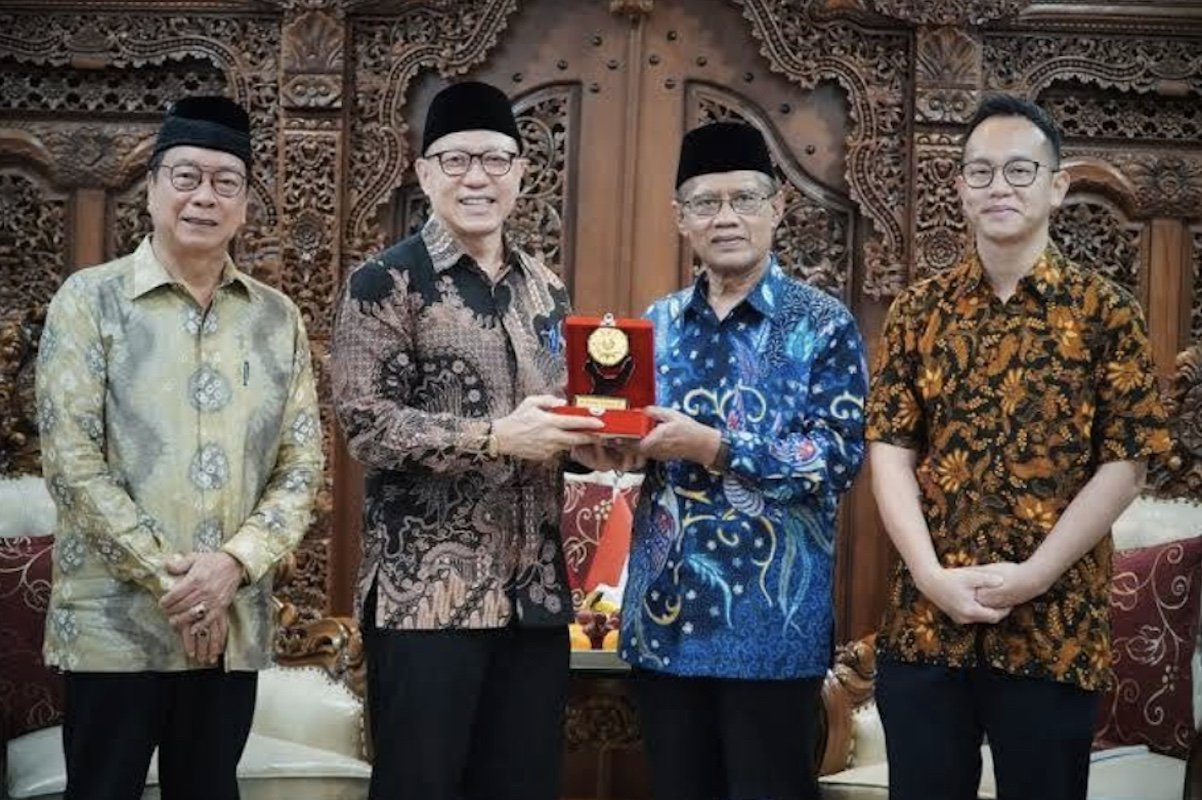
Beijing's sustained courtship of Indonesia's Muslim communities entered a new phase this month when the Majelis Ulama Indonesia (MUI), the country's highest Islamic authority, sent a delegation to Guangzhou and Shenzhen. The five-day program, branded as a Digital Silk Road initiative, focused on technology, halal industries, education, and cultural exchange.
Indonesia is home to the world's largest Muslim population, making the MUI a uniquely influential partner for China's soft-power ambitions in Southeast Asia. Over the past decade, Beijing has steadily expanded its outreach to Indonesian Islamic organizations through scholarships, economic cooperation, and religious dialogue. The latest visit should be understood not as the start of this diplomacy but as its most technologically oriented expression yet.
Earlier exchanges often centered on religious understanding and social relations. This time, the MUI delegation—drawn from its international relations, halal affairs, economics, and digital communication divisions—visited Islamic institutions, universities, and technology companies in southern China. The shift reflects a broader recalibration in Beijing's approach: investing in relationships with influential Muslim institutions alongside traditional state-to-state ties.
Digital Diplomacy and Halal Markets
For Beijing, engagement with Muslim organizations provides a potent channel beyond government-to-government relations. Indonesia's Islamic bodies shape local and national conversations on religion, education, and community affairs. Building relationships with them allows China to communicate directly with influential Muslim actors while strengthening its broader ties with Indonesian society.
The MUI's own priorities align with this shift. MUI officials have argued that religious communication is increasingly shaped by artificial intelligence, search engines, and social media platforms. For an organization seeking to maintain influence among younger generations, understanding digital platforms has become an institutional priority.
Economic cooperation is another driver. Indonesia is seeking to strengthen its position in the global halal economy, while China has a large manufacturing base and growing interest in halal markets. Cooperation between Indonesian Muslim institutions and Chinese companies could create opportunities in halal products, supply chains, and technology. This pragmatic dimension mirrors broader trends in the region, where economic ties often proceed alongside strategic frictions, as seen in pragmatic deals between Indonesia and Singapore.
Navigating the Xinjiang Question
Yet this diplomatic outreach coexists with a harder problem for Beijing. Since 2017, China's often harsh treatment of ethnic Uighurs and other Muslim minorities in Xinjiang has drawn sustained criticism from governments, rights groups, and researchers. Chinese authorities reject these accusations, maintaining that their policies focus on counterterrorism, economic development, and the protection of religious practices.
China has sought to counter criticism by inviting foreign delegations, including representatives from Muslim-majority countries, to visit Xinjiang. The MUI took part in one such visit in 2019, when a delegation traveled to China to examine reports concerning Uighur Muslims, meeting first with the China Islamic Association before continuing to the region. MUI described the trip as an effort to gather information directly, amid conflicting accounts of the situation.
The episode showed that MUI's engagement with China has not been one-directional. Before the 2019 visit, MUI also received representatives from the Uyghur diaspora, who shared their concerns about conditions in Xinjiang. MUI's approach reflected an effort to hear multiple perspectives while maintaining dialogue with Chinese institutions.
The current visit shifted away from Xinjiang and toward areas where both sides see practical opportunities. This recalibration is part of a broader Chinese strategy: creating trusted interlocutors as Beijing continues to defend its record on Xinjiang and expand its economic footprint across Southeast Asia. The approach echoes China's broader diplomatic playbook, which often leverages economic cooperation to build influence, as seen in its lending model in Africa.
For MUI, cooperation with China supports its own objectives—expanding international networks, developing halal industry ties, and promoting Indonesia's model of moderate Islam abroad. The significance of the visit lies less in the delegation itself than in what it reveals about China's evolving diplomatic playbook: investing in relationships with influential Muslim institutions alongside traditional state-to-state ties.
Whether that strategy succeeds will depend not only on Beijing's outreach but also on how Indonesian Muslim organizations respond. MUI has shown that it is willing to engage China, but on its own terms—seeking economic opportunities, technological cooperation, and religious dialogue while balancing domestic expectations and international scrutiny. The visit is best understood as the latest sign that Indonesia's Muslim organizations have become an increasingly important arena in China's competition for influence, legitimacy, and partnerships across Southeast Asia.