Bitcoin's recent slide cannot be fully explained by ETF outflows or cooling demand from large holders. A less-discussed factor is Iran's partial return to legal, dollar-denominated oil settlement—a development that strikes at the heart of one of cryptocurrency's most politically potent narratives: that digital assets serve as a lifeline for countries locked out of the dollar system.
On June 22, 2026, the US Treasury's Office of Foreign Assets Control issued Iran General License X, authorizing the production, delivery, and sale of Iranian crude oil, petrochemical products, and petroleum products until August 21, 2026. According to Reuters, the license also covers related services such as banking transactions, insurance, and shipping, with payments permitted in US-dollar-denominated funds.
This is not a full lifting of sanctions. The authorization is temporary, narrow, and tied to ongoing peace deal negotiations between Washington and Tehran. Political conditions could shift rapidly if those talks falter. Yet even a limited opening can alter market behavior.
Why Iran's Oil Matters for Bitcoin
Iranian oil is not a marginal story. The US Energy Information Administration estimated in its June 2026 report that Iran exported about 1.576 million barrels per day of crude oil and condensate in 2025, generating roughly $48 billion in export revenue. A portion of that revenue, previously channeled through non-dollar mechanisms—including cryptocurrency—may now flow back into the formal banking system.
For years, Bitcoin advocates have argued that digital currencies provide a sanctions-proof alternative for nations like Iran, North Korea, and Venezuela. The narrative gained traction as Tehran explored crypto mining and peer-to-peer trading to bypass financial restrictions. But the return of dollar-linked oil trade weakens that argument: if Iran can settle oil sales in dollars, the urgency to adopt crypto as a sanctions-busting tool diminishes.
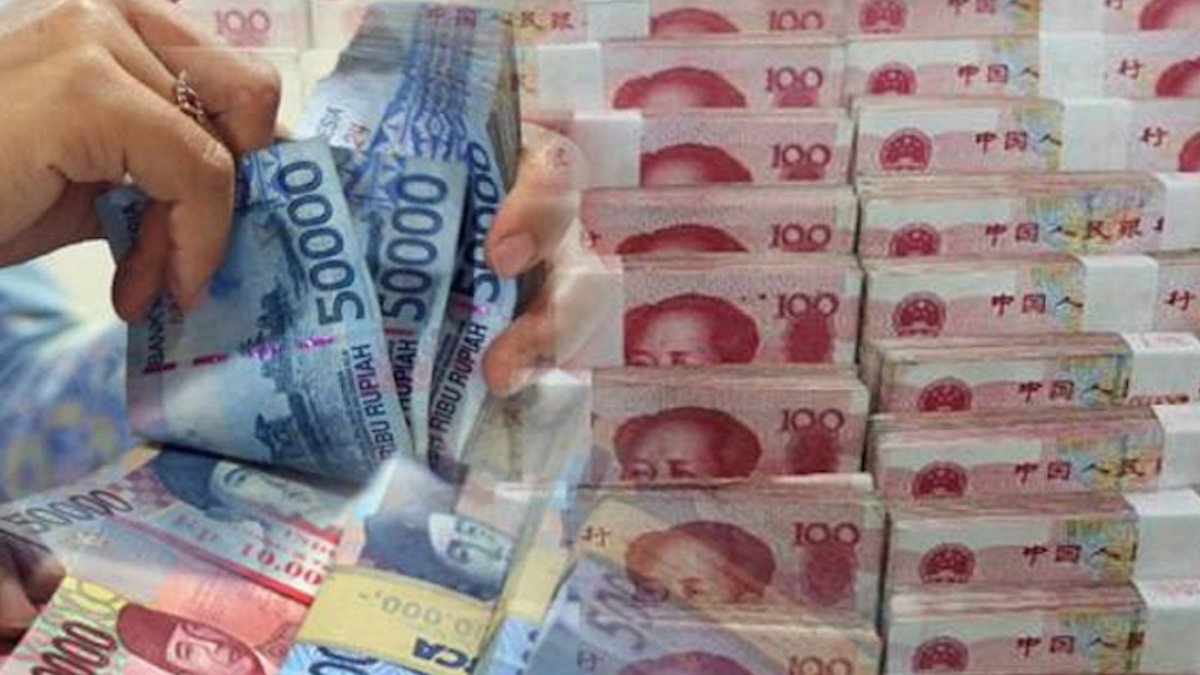
This structural pressure comes at a time when Bitcoin is already under strain from macroeconomic headwinds. The strong dollar has been pummeling currencies across Asia, from Tokyo to Jakarta, and tightening global liquidity. A stronger dollar typically reduces appetite for risk assets like Bitcoin, compounding the effect of Iran's re-entry into the dollar system.
For investors in Asia—where crypto adoption has been robust in markets like Singapore, South Korea, and Japan—the development adds a layer of geopolitical complexity. Singapore's role as a financial hub has already drawn scrutiny for its capital magnetism, which risks hollowing out startup ecosystems in Southeast Asia. Now, the shifting dynamics of oil trade and dollar hegemony could further reshape capital flows in the region.
The broader question is whether Iran's temporary license signals a longer-term trend. If the peace deal holds, Washington may expand the authorization, potentially drawing more Iranian oil into the dollar system. That would further erode the demand for crypto as a sanctions workaround. Conversely, if talks collapse, the license could be revoked, and Bitcoin's sanctions narrative might regain traction.
For now, the market is pricing in a limited but real shift. Bitcoin's decline reflects not just technical factors but a reassessment of its geopolitical utility. As the Strait of Hormuz remains a chokepoint for global energy flows, the interplay between oil, dollars, and digital assets will continue to shape Asia's financial landscape.