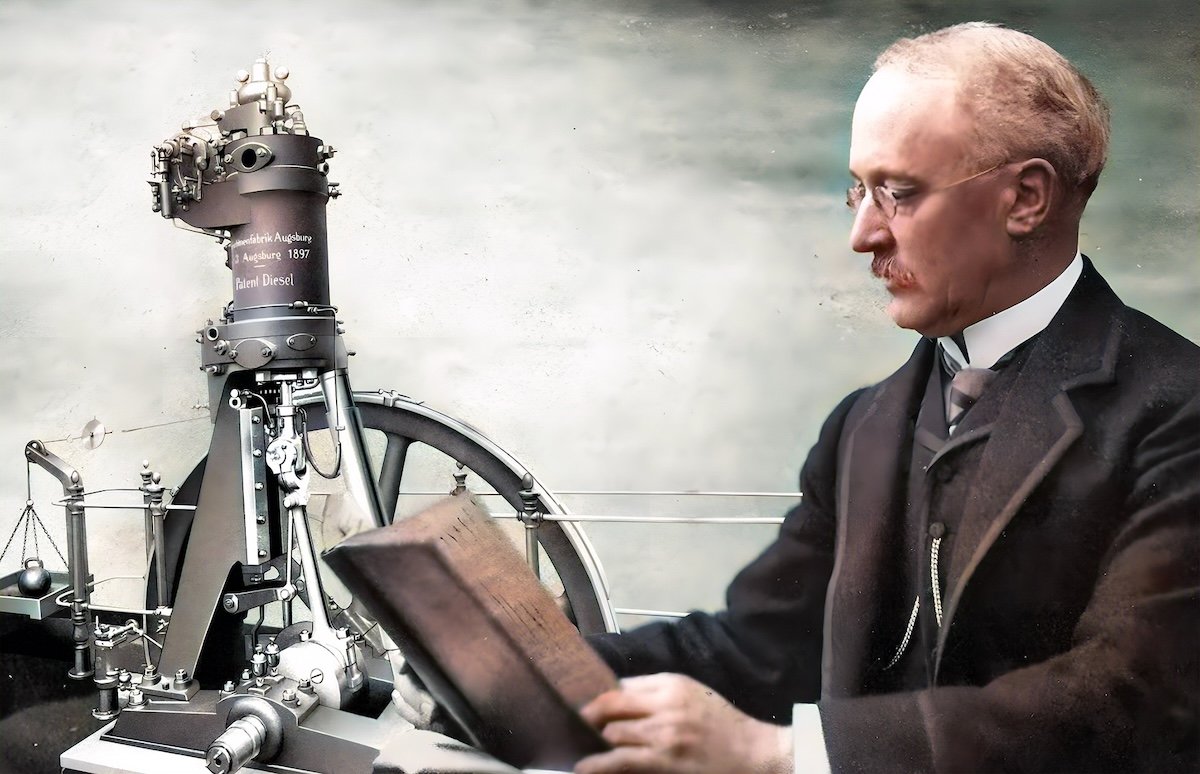
When Rudolph Diesel stepped aboard a steamer in Antwerp in September 1913, he was a man at the height of his fame. By the time the ship docked in Harwich, England, he was gone—presumed fallen overboard. The mystery of his disappearance has fueled speculation for over a century, with fingers pointed at Germany's Kaiser Wilhelm II and America's oil magnate John D. Rockefeller. But a new biography, The Mysterious Case of Rudolph Diesel by Douglas Brunt, offers a more nuanced—and less conspiratorial—explanation.
Diesel, a German-born engineer who spent his childhood in Paris and London, saw himself as a citizen of the world. He was eager to share his revolutionary engine with every nation, including Great Britain, then the world's dominant naval power. That cosmopolitan outlook put him at odds with the Kaiser, who was secretly building a diesel-powered submarine fleet and had no desire to see rival navies adopt the same technology. Rockefeller, meanwhile, viewed Diesel's engine—which could run on peanut oil—as a potential threat to his Standard Oil empire. If farmers could grow their own fuel, what need would they have for petroleum?
Yet Brunt, drawing on extensive research, convincingly argues that neither the Kaiser nor Rockefeller had Diesel killed. The book, while avoiding spoilers, dismantles the murder theories and instead paints a portrait of a brilliant, restless inventor whose life was as complex as his machines.
A visionary with a farmer's heart
Diesel's early life was marked by struggle and brilliance. His father, a bookbinder with chronic financial troubles, could not afford a formal education for his son. But a relative recognized the boy's extraordinary talent and paid for his schooling. Diesel excelled in mathematics and science, and from a young age he was obsessed with building a practical internal combustion engine—one that could replace the bulky, coal-hungry steam engines that powered factories and ships.
His professors and employers saw the potential in his designs and encouraged him. By 1900, Diesel had a working engine that ran on pure peanut oil, which he demonstrated at the World's Fair in Paris. His dream was not just to power machines but to empower farmers—to let them grow their own fuel and become energy independent. That vision, if realized, would have upended the fossil-fuel economy before it ever took hold.
But history took a different turn. Diesel engines eventually powered cars, trucks, and ships—but almost exclusively on petroleum-based diesel. Pure plant oils proved too viscous for modern fuel injectors, and early engines clogged. Today's biodiesel, made from soybean or canola oil through a chemical process, is a compromise, and most blends contain only 5% to 20% biofuel. Engine manufacturers rarely warranty higher concentrations, and pure biodiesel can gel in cold weather.
Would the world have been different if Diesel had lived? The counterfactual is tantalizing. A global fleet running on plant oil would have required vast new farmland—perhaps more than the planet could spare, especially in the early 20th century when crop yields were a fraction of today's. The triumph of fossil fuels may have been inevitable, not because of corporate conspiracy, but because of practical constraints.
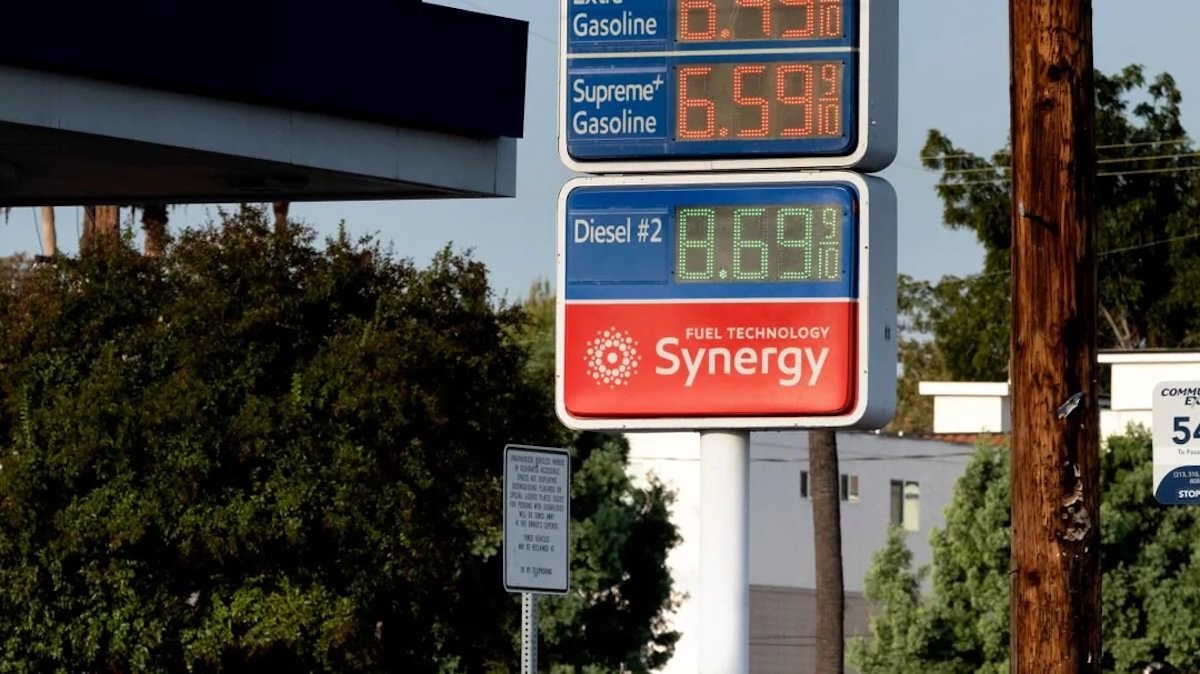
Still, the debate over biofuels is far from settled. As soybean trade talks in Beijing show, agricultural fuels remain a geopolitical lever. And with diesel prices spiking globally, the pressure to find alternatives is growing. Diesel's original idea—fuel from the field, not the oil well—has never been more relevant.
Brunt's book is more than a true-crime mystery; it's a meditation on innovation, energy, and the roads not taken. For anyone who has ever wondered why we drive on gasoline instead of sunflower oil, it's a compelling read.