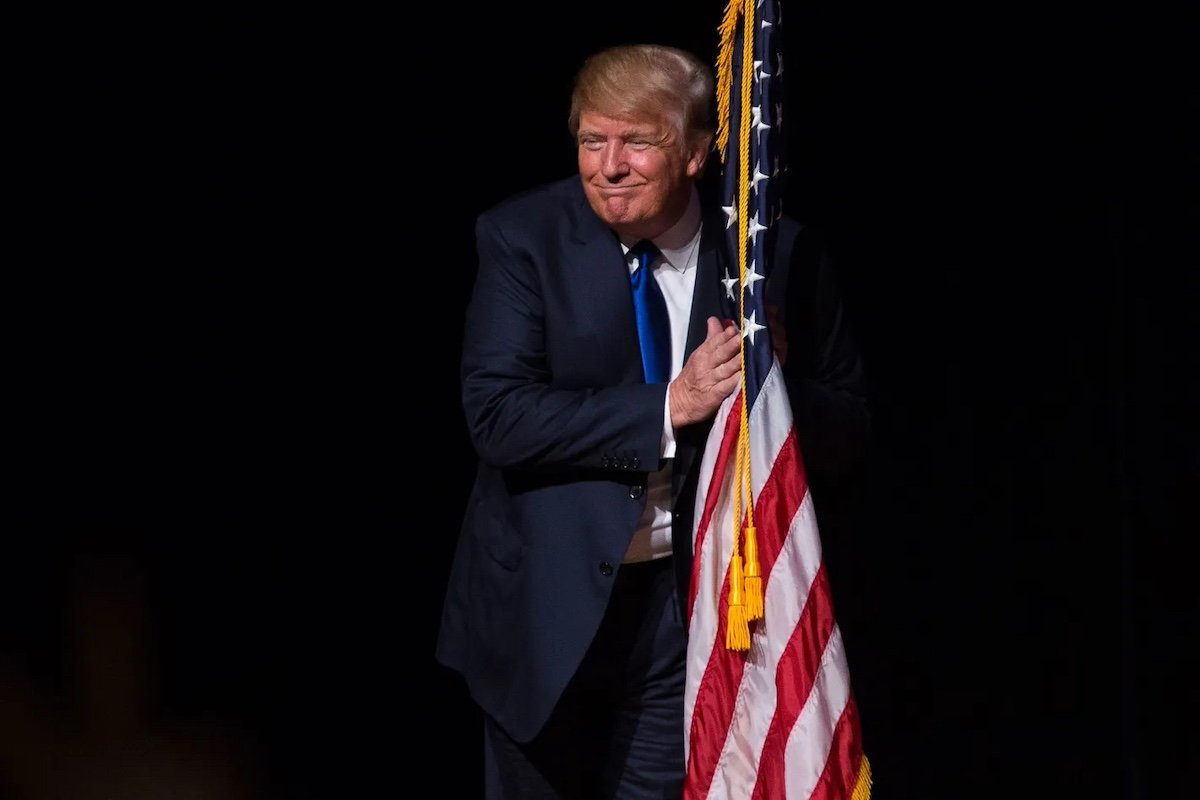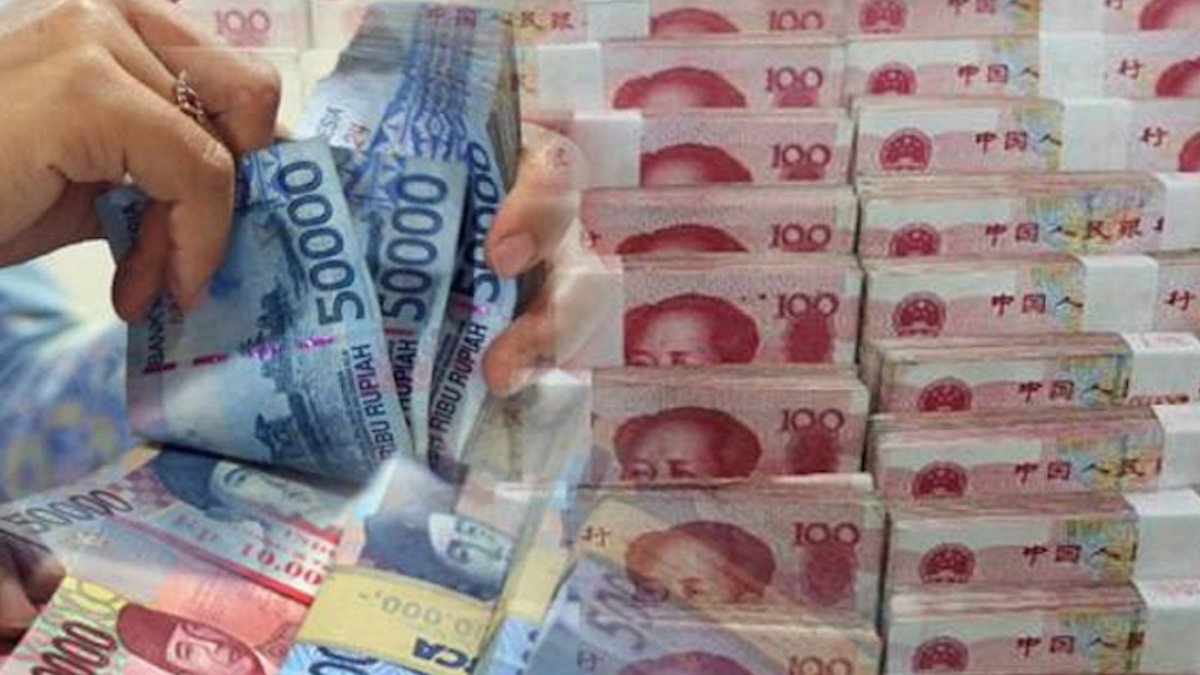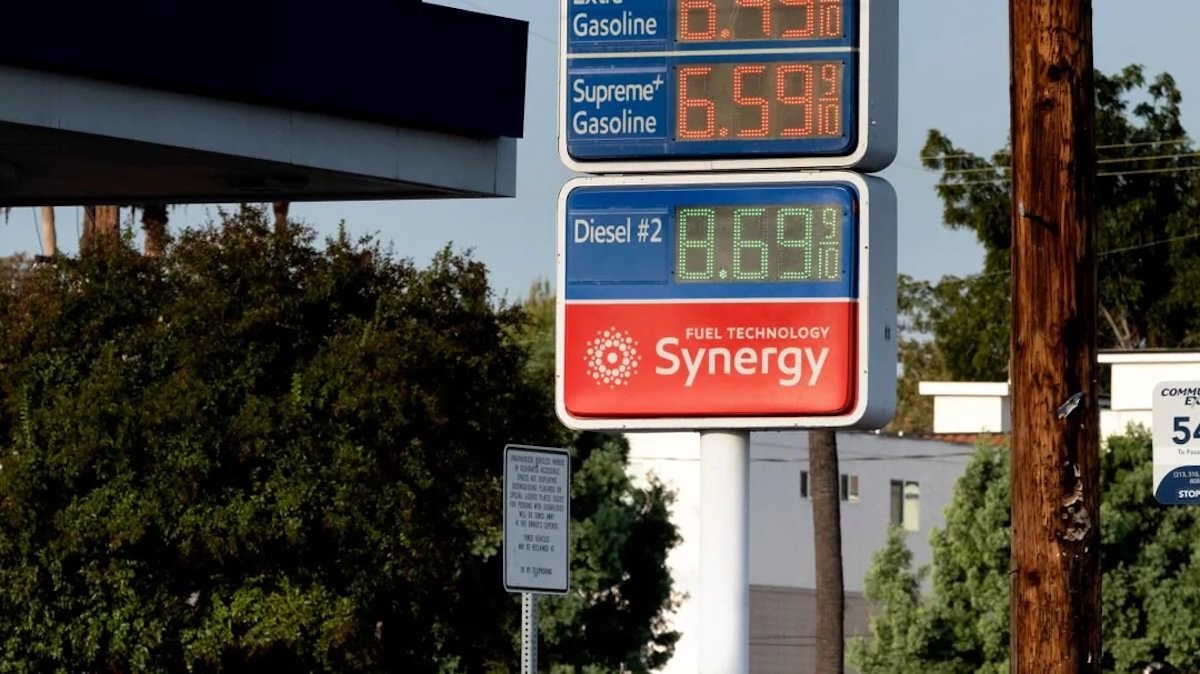
Soaring diesel prices in the United States have ignited a political firestorm, with farm-state Republicans and even President Donald Trump floating the idea of an export ban. Such a move would not only reshape American fuel markets but also send shockwaves through Asia, where countries like Japan, South Korea, and Indonesia rely heavily on imported diesel to power their economies.
The average price of ultra-low sulfur diesel has topped $7 per gallon in parts of the US West Coast, hammering agriculture, shipping, and trucking. With the November 2026 midterm elections looming, the political pressure is intense. Trump has also announced a deal to bring Russian diesel to US and global markets, a move that has drawn sharp criticism from Ukraine and European allies.
A global supply squeeze
The current crisis stems from a confluence of shocks. Russia, now in the fifth year of its war against Ukraine, banned diesel exports in July 2026 after Ukrainian air strikes knocked out more than half of its refinery capacity. Once a top exporter, Russia now imports refined products. Meanwhile, in the Middle East, missile attacks on Iran in February 2026 and the near-closure of the Strait of Hormuz—a transit route for over a fifth of global crude and gas—have disrupted flows. Although shipments have partially resumed, Iranian strikes on tankers in early October show the threat remains.
These disruptions have transformed shipping economics. Tanker freight rates have more than quintupled, and many vessels now carry crude oil instead of diesel, as Middle Eastern refining capacity has been damaged. With little spare refinery capacity elsewhere, even restored crude flows cannot bring diesel prices down to pre-war levels.
The result is a surge in US diesel exports to meet foreign demand, driving up domestic prices. This dynamic is exactly what my research with colleagues on commodity export restrictions predicts: when prices are high and consumer concerns dominate politics, export bans become more likely.
Impact on Asia
For Asia, a US export ban would be a major blow. Japan and South Korea, which import nearly all their diesel, would face even tighter supplies and higher costs. India, which has expanded its refining capacity, could partially offset the gap, but not enough to stabilize prices. Southeast Asian nations like Indonesia and the Philippines, already struggling with inflation, would see fuel subsidies balloon.
The diesel spike is set to push Asian central banks toward rate hikes, as they try to contain imported inflation. This could slow economic growth across the region, just as it recovers from the pandemic and global shocks.
Some analysts argue that a US ban would actually lower domestic prices in the short term, giving American consumers relief. But the long-term consequences are severe: it would split the global diesel market, create a two-tier pricing system, and undermine trust in US reliability as a supplier. This could push Asian buyers to seek longer-term contracts with Middle Eastern or Russian suppliers, further fragmenting energy trade.
Trump's diesel deal with Putin undercuts Ukraine and Europe, and it also signals to Asian allies that US energy policy is increasingly transactional. Meanwhile, the G7's release of 100 million barrels from emergency reserves offers only temporary relief.
The political calculus is clear: in an election year, American consumers' pain outweighs the interests of oil producers and exporters. But the rest of the world, especially Asia, would bear the brunt of a ban. As my research shows, such restrictions are rarely reversed quickly, and their effects linger long after prices fall.
For now, the world is watching Washington. If the US enacts a ban, it would be a seismic shift in global energy trade, with profound implications for the Indo-Pacific's economic stability.