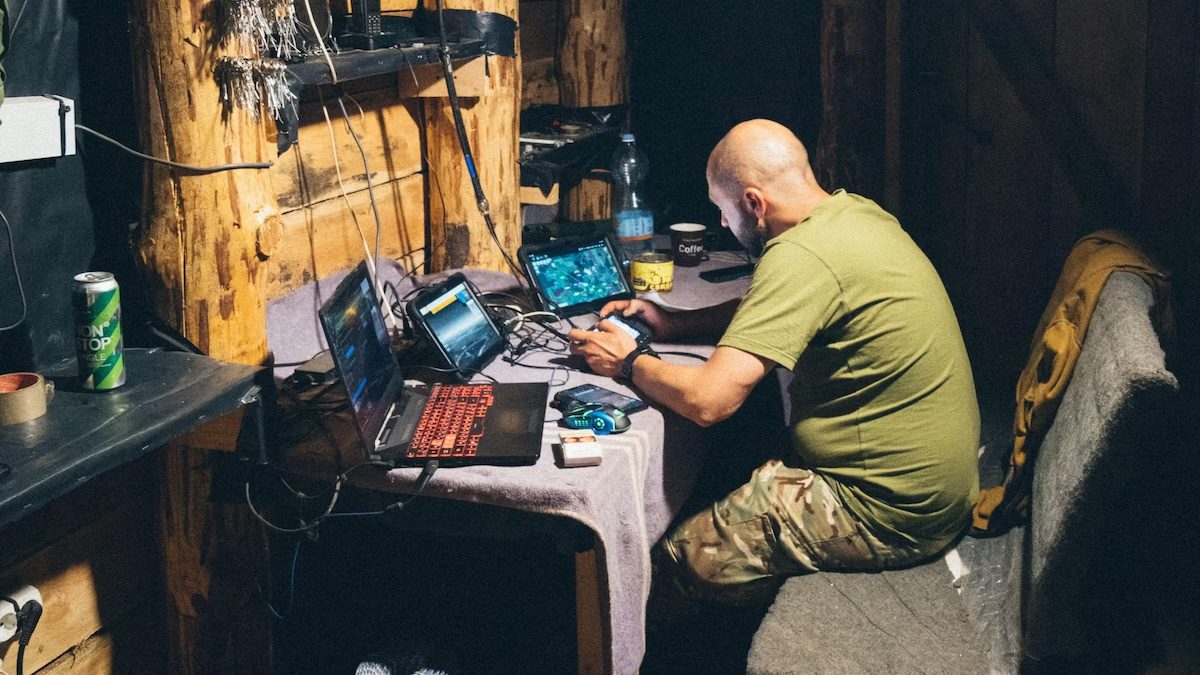
In the grinding trench-and-drone war that has defined the Russo-Ukrainian conflict, the unassuming Starlink satellite network has become as critical as artillery shells. Since February 2022, tens of thousands of Ukrainian drones have hunted the battlefield daily, targeting everything from individual soldiers to command centers and power plants. But this drone war has been possible only because of a secure digital backbone: Elon Musk's SpaceX Starlink system, which Ukraine has come to rely on almost completely.
When Russia launched its full-scale invasion, Mykhailo Fedorov, then Ukraine's vice prime minister and minister of digital transformation, publicly appealed to Musk for connectivity. Within days, 500 Starlink terminals arrived. By mid-2020, Starlink had provided 15,000 terminals, and the Ukrainian government and military used them for free initially. The dependence was openly acknowledged: “Without Starlink, we would have been losing the war already,” a platoon commander told the Wall Street Journal in 2022. The system became the backbone of Ukraine's C4ISR—command, control, communications, computers, intelligence, surveillance, and reconnaissance—enabling secure communications for both the government and the armed forces.
Musk's contribution was not without cost to his company. In 2022 alone, Starlink's support was valued at US$80 million, including free terminals and waived service fees. The partnership, though, has been conditional. In September 2022, as Ukrainian forces prepared their first assault on Sevastopol in Crimea—home of Russia's Black Sea fleet—Musk refused a request to activate Starshield, the military application of Starlink, in the region. He feared escalation, warning Fedorov that a fully mobilized Russia would destroy Ukraine's infrastructure and urging him to “seek peace while you have the upper hand.” The crisis passed, and Starshield continued to serve Ukraine, even helping to disable Russian-acquired terminals on the black market.
A new constraint with strategic implications
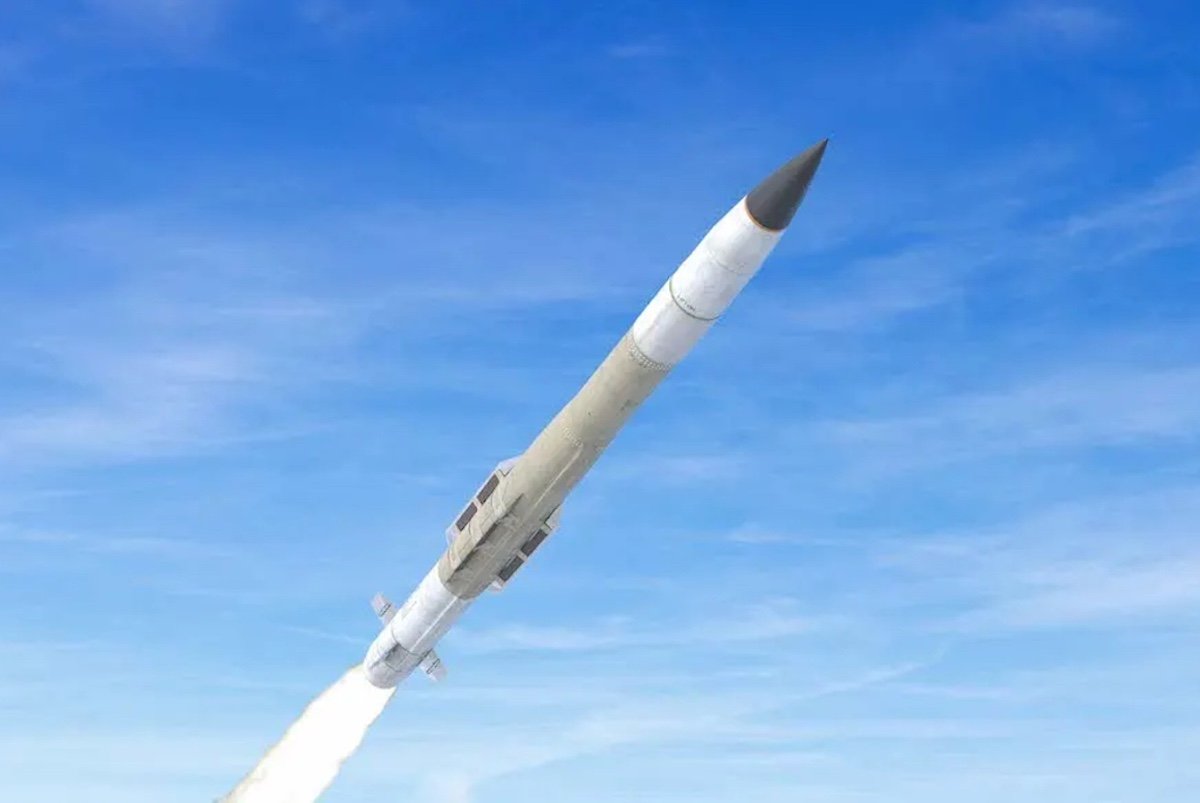
But in mid-October, Ukrainian forces were again exposed to the fragility of their dependence. On the night of October 13-14, without warning, SpaceX imposed a speed limit of about 160 kilometers per hour on some Starlink services. This means drones and missiles traveling faster than that lose connectivity. The impact was immediate: Ukraine's 7th Rapid Reaction Corps had to cancel several missions. The speed limit compromises drone fleets operating above the kill zone and undermines air defense against Russian drone attacks on cities and infrastructure, as intercepts require speeds far exceeding 160 km/h.
Given that Russia's strategic bombardments of Ukrainian energy infrastructure have become its principal war tactic—and will intensify as winter approaches—the Starlink constraint is deeply concerning. If it continues, it could become critical. Unlike the 2022 episode, this appears not to be a random decision by Musk alone. It seems to reflect a troubling shift in US policy.
On October 9, US President Donald Trump announced a deal with Russian President Vladimir Putin to lift sanctions on Russian diesel, ostensibly to reduce global fuel prices. The move, which undercuts Ukraine and Europe, was followed by Trump's call for the removal of Ukrainian President Volodymyr Zelensky. The Starlink speed limit, coming days later, suggests a coordinated effort to pressure Kyiv into concessions.
The implications for the wider Indo-Pacific are significant. If the United States can unilaterally degrade Ukraine's military capabilities through a private company, what does that mean for other allies that rely on American technology? Japan, South Korea, and Taiwan all depend on secure satellite communications for their own defense. The precedent set here—that a commercial provider can impose operational limits based on political whims—raises questions about the reliability of such systems in a crisis.
Ukraine's plight is a stark reminder that the post-Cold War order is collapsing, as this conflict has exposed. The Starlink speed limit is not just a technical glitch; it is a strategic signal. It tells Moscow that Washington may be willing to sacrifice Ukraine's battlefield effectiveness to pursue a deal with Putin. For the rest of Asia, it is a warning: in a world where great powers bargain over smaller nations' fates, technological dependence can be weaponized.
As winter looms, Ukraine's ability to defend its cities and infrastructure may hinge on whether Starlink's restrictions are lifted. The Ukrainian government has appealed to Washington, but the response has been muted. The coming weeks will reveal whether this is a temporary measure or the beginning of a broader US retreat from supporting Kyiv. For now, the drone war—and Ukraine's survival—hangs in the balance.