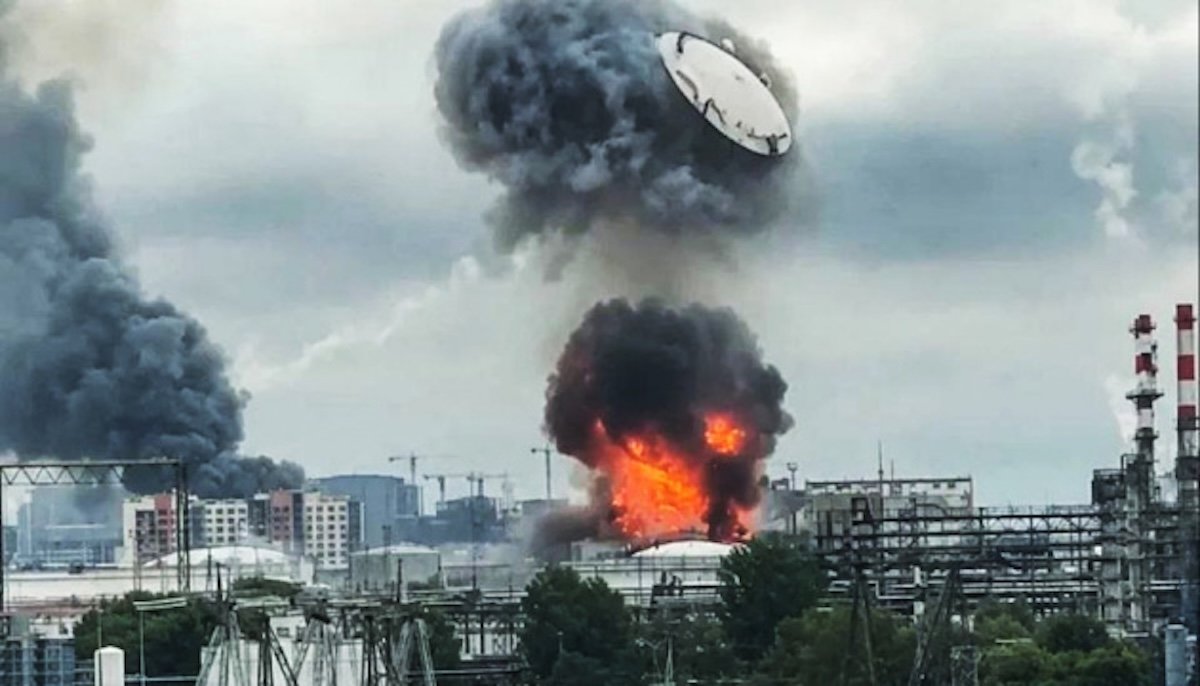
The Houthi attack on Riyadh's international airport on October 10, which killed 13 people and wounded hundreds, was the most violent episode on Saudi territory since the start of the Iran war in February. It was followed by further missile barrages, and it came just as the kingdom was hosting a major oil producers' conference. The assault has drawn attention to how the Yemeni group is recasting its role in the region—not as an Iranian proxy, but as a defender of Yemeni sovereignty against its longtime adversary, Saudi Arabia.
From proxy to patriot
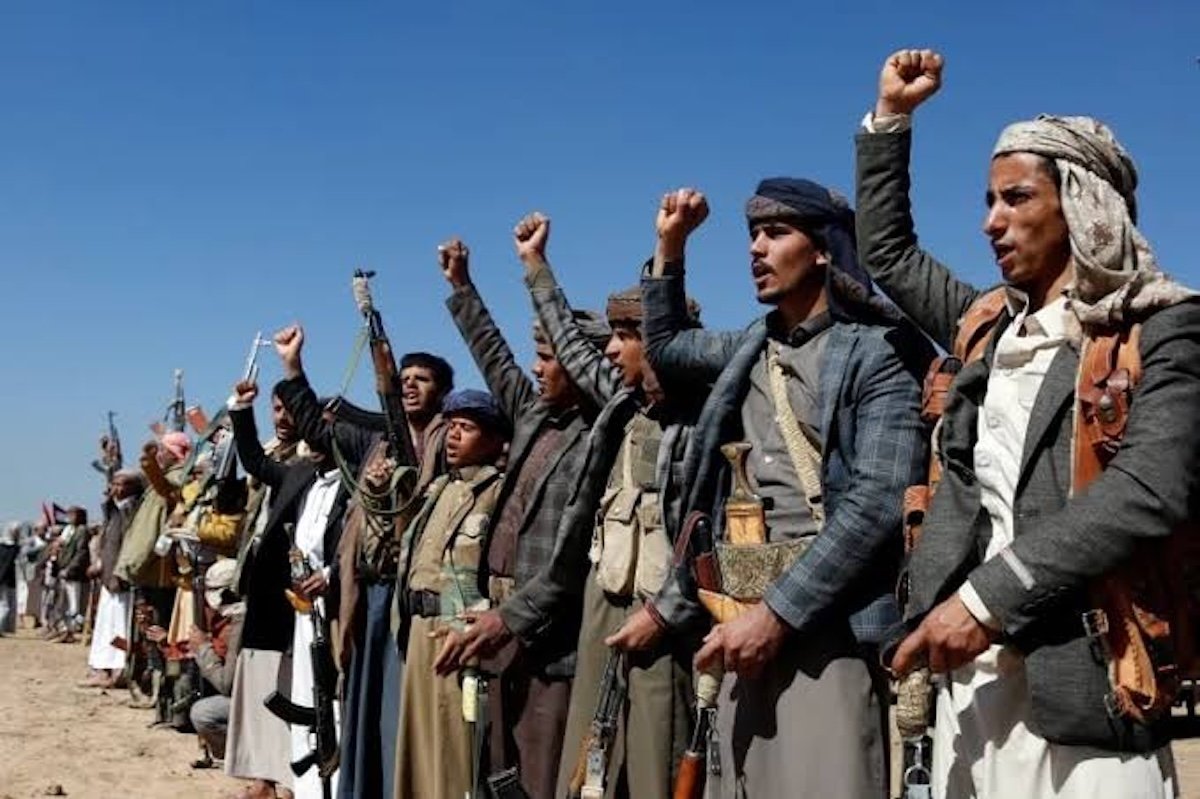
The Houthi movement, which emerged as a militarized political force in Yemen in 2004, has been locked in a civil war against the Saudi-backed, internationally recognized government. They control about a third of the country's territory and two-thirds of its population, and despite lacking air power, they have built an arsenal of long-range missiles and drones. For years, their adversaries and many external observers have labeled them a proxy for Iran, Saudi Arabia's chief regional rival.
That label, however, oversimplifies a complex relationship. The Houthis have indeed aligned with Tehran on many regional issues, but their movement is deeply rooted in Yemen's domestic politics and a historical feud specific to the country. In the current escalation with Saudi Arabia, the Houthi leadership has deliberately sought to reframe its military engagement so that it does not appear to be directed by Iran. This shift is analytically important because it reveals how Houthi leaders understand the political effectiveness of certain narratives and how they legitimize their actions to domestic and regional audiences.
A belated return to war
When the United States and Israel launched their attack on Iran on February 28, many expected the Houthis to jump in quickly. Their earlier intervention in the Red Sea—between November 2023 and May 2025—in support of Palestinians after Israel's war in Gaza had shown their willingness to disrupt maritime traffic and affect global supply chains. But this time, the Houthis stayed on the sidelines for months, ignoring reports that Iranian decision-makers had called on them in July to close the Strait of Bab el-Mandeb.
That hesitation was telling. Acting in support of Palestinians could be framed as Arab solidarity, but acting on behalf of Iran—a non-Arab Persian country of Twelver Shia Muslims—was much harder to sell in Yemen, where Twelver Shias are absent and Sunnis are the majority. The Houthis' reentry into the regional conflict in August came with a shift in their political narrative, increasingly centered on Saudi Arabia. Although their actions may ultimately benefit Iran, the Houthis see their campaign against Riyadh chiefly as an act of national defense.
The Sanaa airport episode
An underreported episode this summer illustrates the Houthis' framing. In July, they attempted to reopen Sanaa International Airport, which had been closed since late 2024 after Israeli strikes. The airport's closure restricted civilian movement and limited their ability to send supporters abroad for training or receive military equipment. On July 13, as a Tehran-bound flight approached, Saudi forces bombed the runway, giving the Houthis a pretext to reignite their confrontation with Riyadh.
That bombing, and the subsequent escalation, fits a pattern: the Houthis are using Saudi actions to justify their attacks as defensive. The October strike on Riyadh's airport, which exposed gaps in Saudi air defenses, was framed by the group as a response to Saudi aggression. This narrative is gaining traction in Yemen, where the war has already caused immense suffering.
The Houthis' ability to frame their fight as national defense has implications beyond the region. It complicates efforts to paint them as mere Iranian pawns, and it may influence how other Arab states view the conflict. As the Mecca pact faces its first serious test, the Houthis' narrative could erode support for the Saudi-led coalition.
For the wider Indo-Pacific, the Houthi campaign has already tightened the squeeze on Asia's energy lifelines, as our analysis has shown. The Red Sea remains a critical chokepoint for oil and gas shipments to Japan, South Korea, and China. The Houthis' reframing of their role may not change the strategic reality, but it does change how the conflict is perceived—and that perception could shape future diplomatic efforts.
As the war enters its second decade, the Houthis are no longer just a rebel group; they are a state-like actor with a sophisticated media strategy. Their ability to cast themselves as defenders of Yemeni sovereignty, rather than as proxies for Tehran, is a significant development. It may also be a sign that the region's stalemate is deepening, with no easy end in sight.