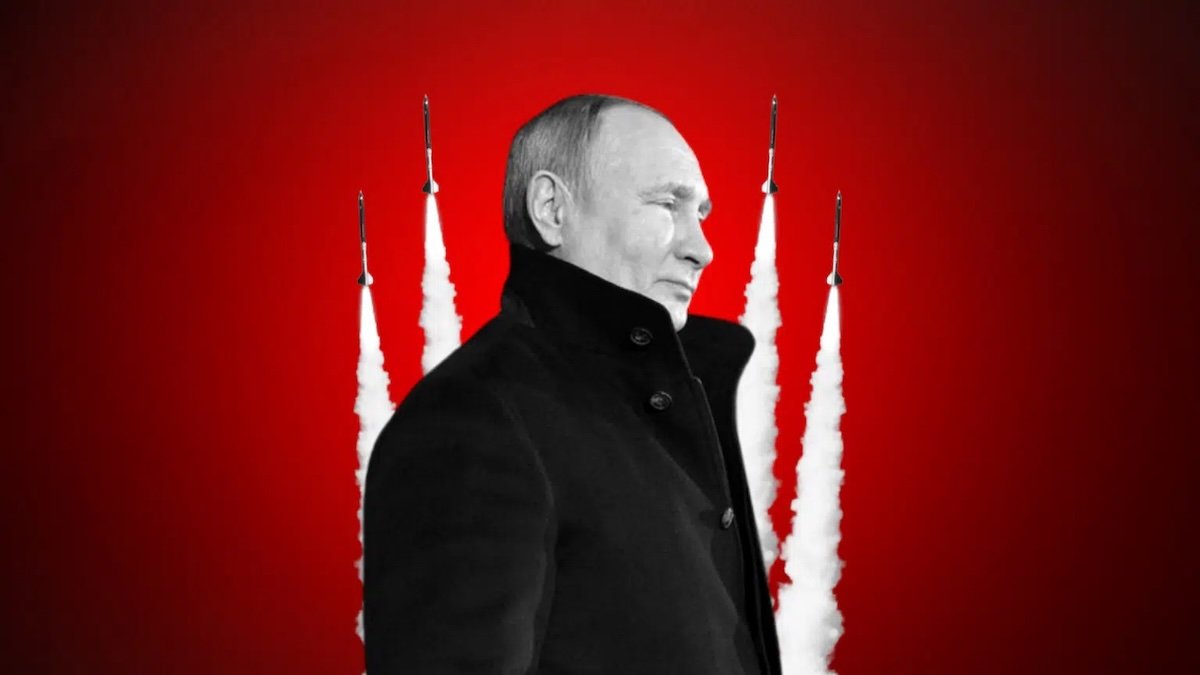
For a quarter-century, Vladimir Putin has pursued a consistent goal: restoring Russia's status as a global power through force. From Chechnya to Syria and now Ukraine, his wars have followed a grim pattern—opening with a blitzkrieg that fails, then descending into a relentless bombardment of cities, a tactic military experts have dubbed the “Grozny model” or, sarcastically, “peace through obliteration.”
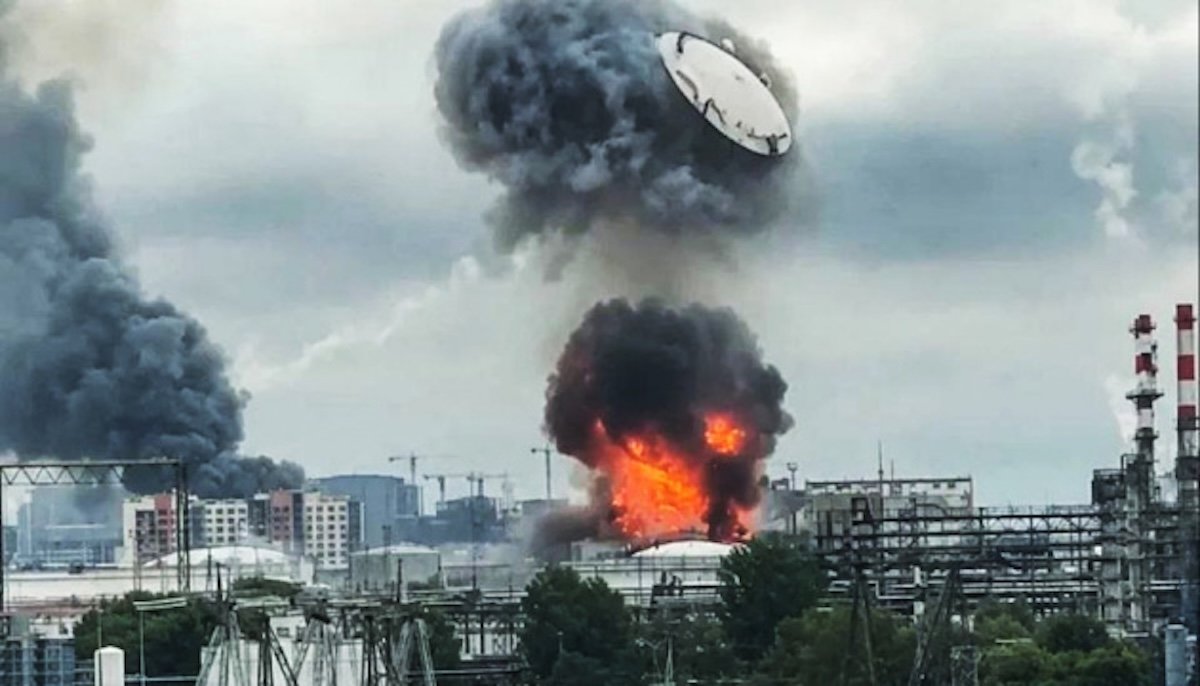
The latest chapter unfolded last Tuesday when Russia launched its heaviest drone and missile attack on Kyiv, killing 21 residents, including children. Over the following days, strikes hit at least three other cities, leaving more than 100 dead. In Pryluky, a town in the north, emergency workers recovered 22 bodies from the rubble of an apartment block. On Saturday, glide bombs killed 15 civilians in Zaporizhia, near Europe's largest nuclear plant.
An Evolving Strategy of Terror
Putin's tactics have evolved since the first war in Chechnya, but the core logic remains: use air power to terrorize civilians into fleeing, thereby isolating fighters and breaking the will to resist. Colin P. Clarke, a researcher at The Soufan Center, told Asian Examiner that the campaign may aim to “drive out remaining civilians and collapse the capacity and will of Ukrainian defenders.”
James Hughes, a professor at the London School of Economics, draws a direct line from Grozny to Ukraine. “What has occurred in Ukraine so far is an iteration of Russia's Chechen conflict but on an even more immense scale,” he said. “The strategic outcome is likely to be similar—a costly Russian victory at the expense of massive opposition losses, destroyed infrastructure, and depopulation.”
In Grozny, the pattern was set in 1999. Russian jets roamed freely, and artillery pounded the city for months. The bombardment failed to dislodge Chechen fighters, but it forced civilians to flee. By January 2000, the city was largely empty, and the remaining fighters slipped out under cover of night. The same script played out in Aleppo in 2016, when Russian jets reduced the ancient city to rubble to help Bashar al-Assad crush rebels.
Now, Ukraine faces a similar fate. The recent strikes on Kyiv and other cities are not merely softening targets for a ground assault; they are part of a deliberate strategy to make urban areas uninhabitable. In Mariupol in 2022, a four-month siege emptied the city, leaving only defenders in a steel plant. The same approach is now being applied to the capital.
Max Hess, a fellow at the Foreign Policy Research Institute, told an American television interviewer, “I hate to use this term, but I think the ‘Grozny-fication’ of Kyiv has begun. And that is something I thought was unimaginable.”
The human cost is staggering. In Pryluky, rescuers climbed teetering upper floors searching for survivors, as Ukrainian television showed. In Zaporizhia, the death toll from Saturday's glide-bomb attack rose to 15. The strikes have also disrupted power and water supplies, adding to the misery of millions.
Russia's strategy may be working in the short term, but analysts warn of long-term consequences. The depopulation of cities could create a humanitarian catastrophe and a generation of refugees. It also risks drawing NATO deeper into the conflict, as Western nations grapple with how to respond to such indiscriminate violence.
Putin's wars have always been about more than territory; they are about projecting power and punishing those who defy him. But as the rubble in Kyiv, Grozny, and Aleppo shows, the cost is borne by civilians. The international community, including Asian nations watching from afar, must decide whether to stand by or act.