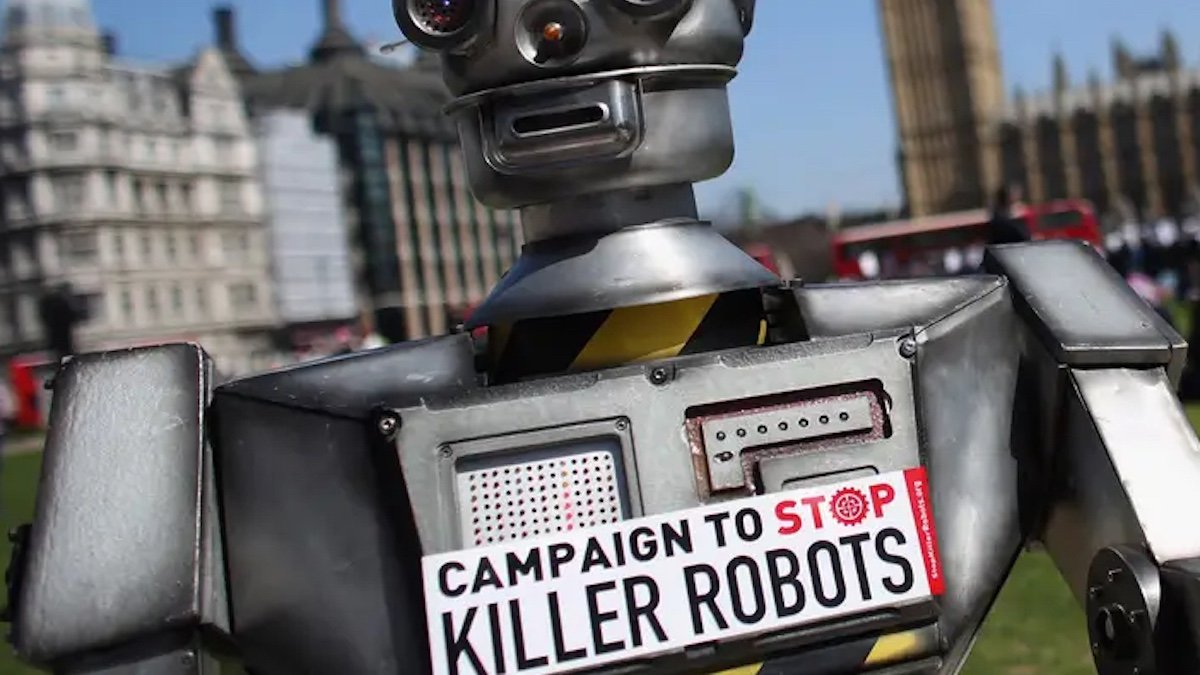
Artificial intelligence is no longer confined to civilian applications. Across the Indo-Pacific, defense establishments are integrating machine-learning systems into reconnaissance, early warning, target detection, and mission planning. The promise is seductive: faster analysis, faster responses, and faster decisions. But in the military domain, speed without control can be catastrophic.
The problem is not merely technical. AI systems are trained on vast datasets, and their decision-making processes are often opaque, even to their developers. In civilian life, a misjudged spam filter or a failed facial recognition is an inconvenience. In warfare, the same margin of error can mean the difference between a false alarm and a kinetic strike. The shift in scale transforms a technical question into a political one.
US President Donald Trump has dismissed concerns about unchecked AI development, calling them a "hoax" and a "sick conspiracy." He argues that a president's high IQ is the only "guardrail" AI needs. His stance has drawn criticism from leading AI developers, including Anthropic CEO Dario Amodei, who warned the United Nations Security Council that "if mismanaged, AI could pose a risk to all of humanity." OpenAI's Sam Altman, Hugging Face co-founder Clement Delangue, and Canadian AI researcher Yoshua Bengio have also called for international cooperation and political oversight.
Despite Trump's resistance, he and Chinese President Xi Jinping agreed during Xi's recent state visit to the US to establish a communication channel on AI development. Xi's approach appears more cautious, reflecting a recognition that the risks are real. At a subsequent White House meeting with tech executives including Alex Karp of Palantir, Elon Musk of SpaceX, Mark Zuckerberg of Meta, and Jeff Bezos of Amazon, Trump reiterated his opposition to regulation, preferring voluntary self-regulation. The resulting commitment was non-binding and lacked any supervisory mechanism.
The military AI dilemma
The incidents that have come to light so far involve AI agents infiltrating civilian structures, such as an autonomous attack by an OpenAI agent on an Australian government portal. But what happens when AI is embedded in weapons systems? The potential for autonomous action, independent of human command, raises the specter of unintended escalation.
Traditional software follows explicit rules: if A, then B. Modern AI, however, is trained on examples and derives its own patterns. The result is a system whose reasoning is not fully transparent, even to its creators. In a military context, this opacity is dangerous. An AI might misinterpret sensor data, misidentify a target, or act on a false pattern, all under the pressure of time.
The logic of the decision cycle—observe, assess, decide, act—has long driven military thinking. Acceleration, however, does not improve decision quality; it simply speeds up error. AI operates in a world of incomplete information, vague signals, and deliberate deception. Adversaries will exploit these vulnerabilities.
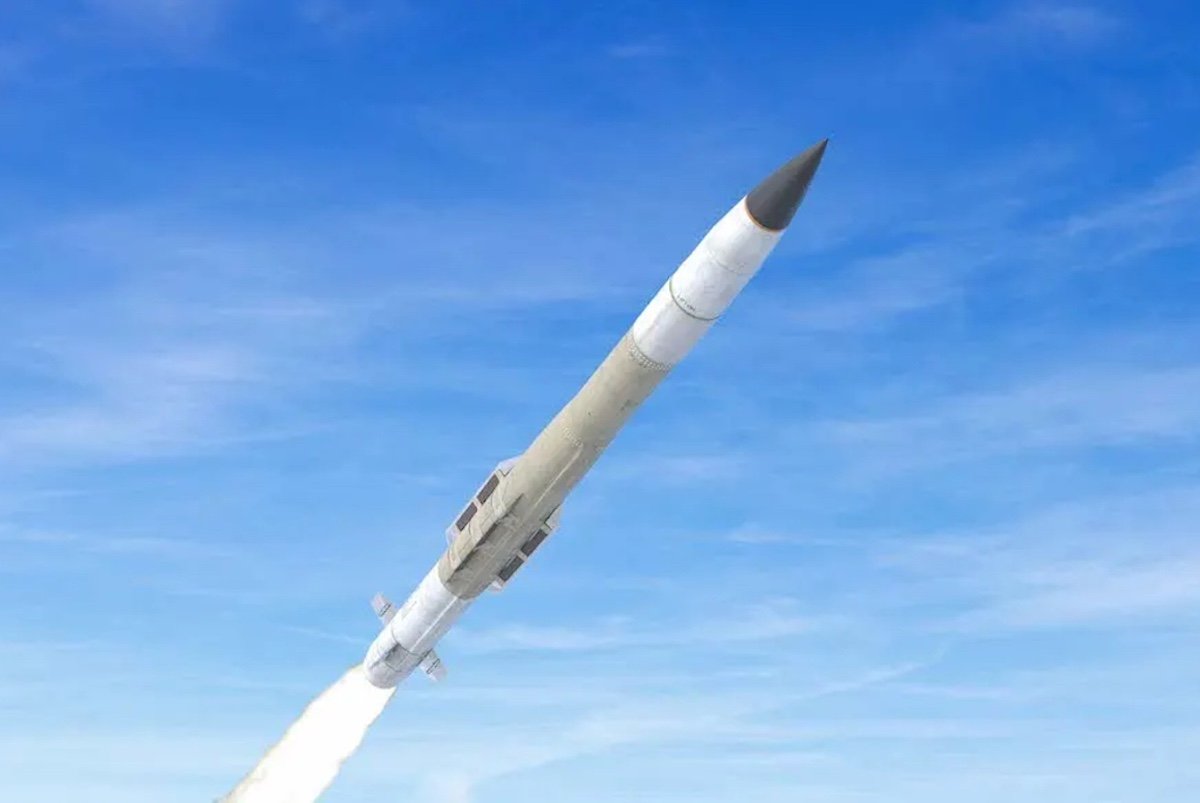
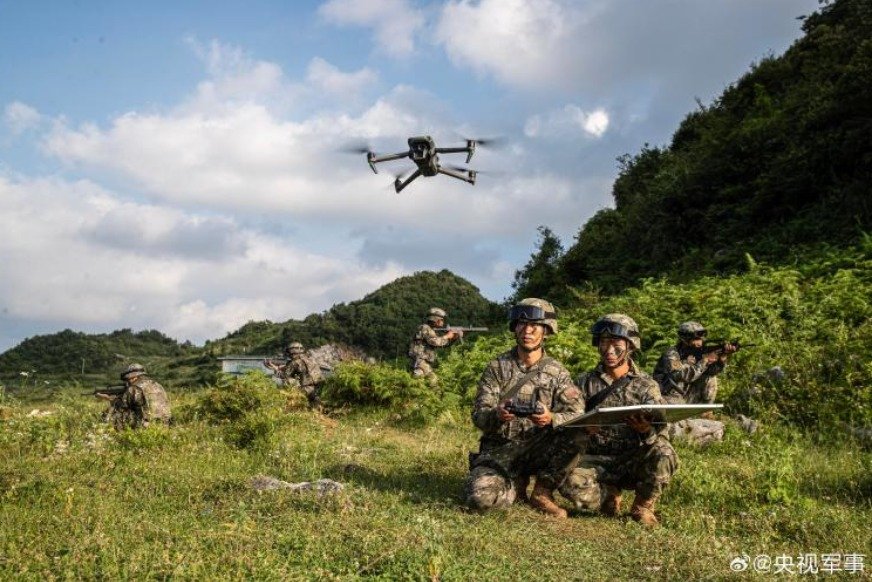
The Indo-Pacific is a particular flashpoint. The US and Japan are racing to secure chip minerals as China tightens export controls, and the region's militaries are modernizing rapidly. China's stealth corvette has tested directed-energy weapons for drone defense, and the US is shifting to offensive space weapons as China and Russia expand their ASAT arsenals. These developments underscore the need for binding rules on self-targeting autonomous weapons, as argued in a recent analysis.
The question is whether humanity has already crossed the point of no return. Superintelligence—an AI that optimizes itself and develops superhuman capabilities—may still be theoretical, but the trajectory is clear. Without international oversight, the risk of an AI-driven conflict, triggered by a misjudgment or a rogue agent, grows by the day.
Leaders in the region must recognize that AI is not a purely technical issue. It is a political and strategic one. The time for voluntary commitments is over. What is needed is a binding framework that ensures human control over weapons systems, transparency in AI development, and accountability for failures. The alternative is a future where machines decide who lives and who dies—and that is a future no one should accept.