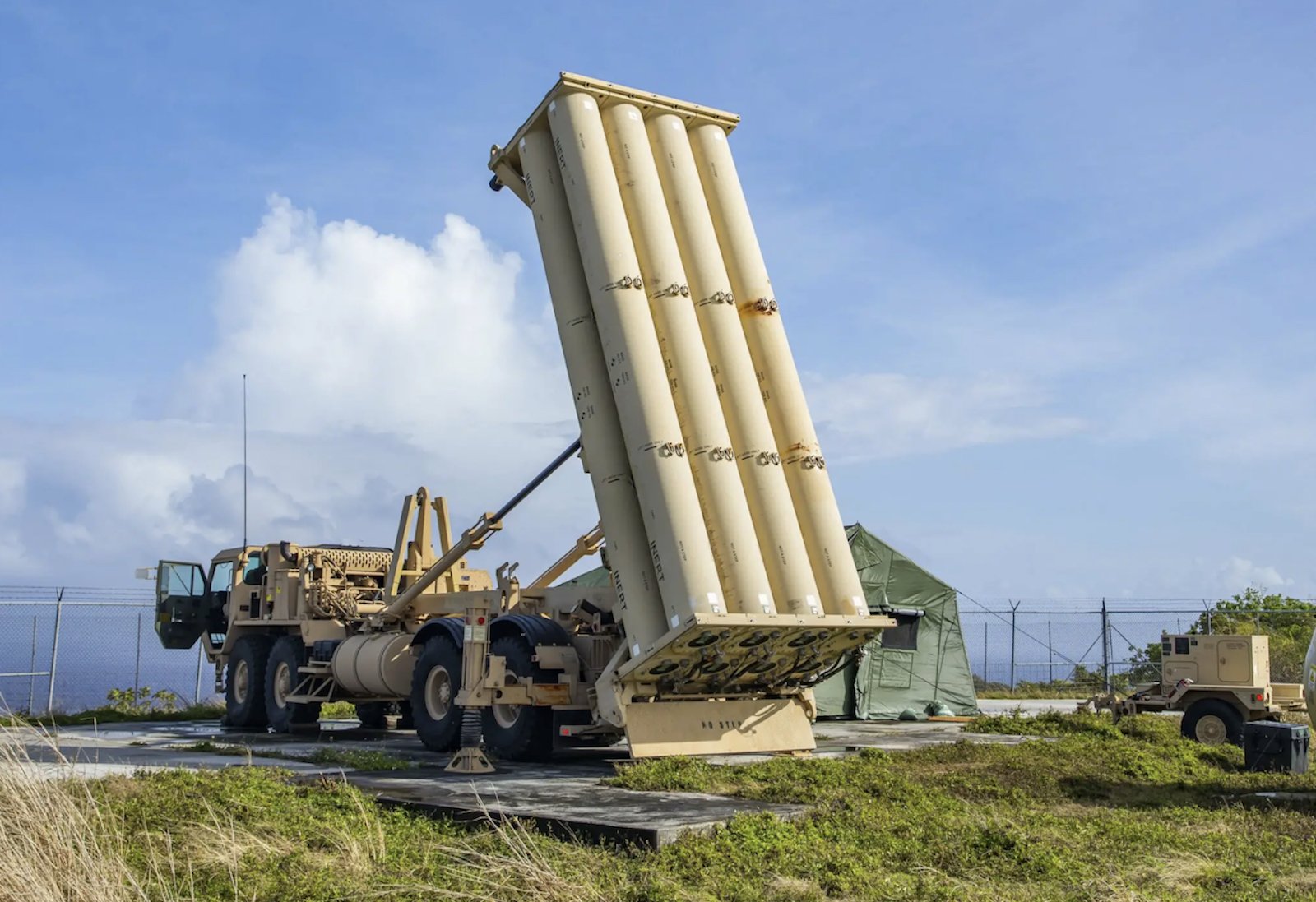
The prolonged conflict with Iran has laid bare a critical weakness in American military strategy: the ability to escalate quickly, but not to sustain or replenish. Washington's recent multi-billion-dollar contracts to boost missile production are a tacit admission that its arsenal is dangerously depleted, a problem that could have been anticipated before the escalation.
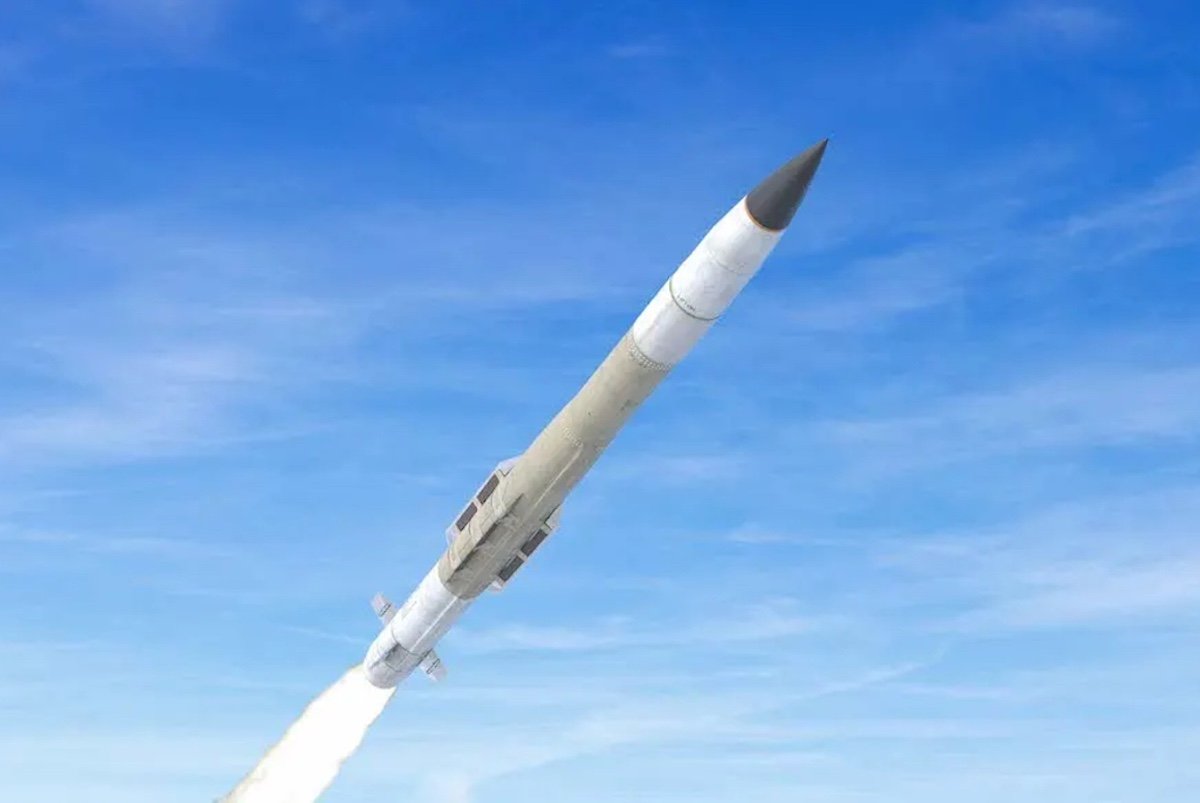
In the past week, the Pentagon announced a $24.4 billion deal with Raytheon to accelerate production of Standard Missile-6 (SM-6) interceptors, following a $20.7 billion award for AMRAAM missiles and a $58.6 billion Patriot contract with Lockheed Martin. While these agreements signal intent, they do not immediately restore depleted stocks. The manufacturing lead time for these advanced interceptors ranges from 25 to 51 months, meaning the gap between signing and delivery is measured in years.
On the ground, the shortage is already shaping tactics. Reports indicate that US commanders in the Middle East have instructed troops to allow some incoming Iranian missiles to strike unpopulated areas rather than expend scarce interceptors on low-value targets. This pragmatic but risky approach underscores the severity of the munitions crunch.
President Donald Trump, in a recent interview with Time magazine, downplayed a Pentagon report on munitions shortages, though he conceded that some stocks are running low. Independent estimates from the Center for Strategic and International Studies (CSIS) paint a starker picture: by late July, the US stockpile of Patriot and THAAD interceptors had fallen to fewer than 827 and 278, respectively.
Depleted reserves, global consequences
The drain began well before the current conflict. During the 12-day war in June 2025, US forces reportedly fired more than 150 THAAD interceptors and about 80 SM-3s to defend Israel from Iranian projectiles. The Congressional Budget Office estimates that the US has used between half and two-thirds of its missile-defense interceptor inventory since then, and rebuilding could take at least five years even with accelerated production.
This depletion is not just a Middle East problem. It weakens US deterrence in other theaters, particularly the Indo-Pacific, where China's growing missile arsenal poses a significant challenge. The US has long relied on its missile-defense capabilities to reassure allies like Japan, South Korea, and Taiwan. A diminished stockpile raises questions about Washington's ability to honor those commitments.
The shortage is already affecting Ukraine. Kyiv has reported an acute lack of Patriot interceptors since the Iran war began. In August, President Volodymyr Zelensky warned that Ukraine had two and a half times fewer interceptors than in 2025, while Russia launches twice as many ballistic missiles each month. This has forced Ukraine to ration its defenses, leaving cities more vulnerable to Russian strikes.
Washington's history of underestimating the duration of military engagements is well documented. The 2003 Iraq war was expected to be a swift victory, yet just 11 days in, US forces had fired 700 of 1,200 Tomahawk cruise missiles and thousands of satellite-guided bombs, leading to a scramble to replenish stocks that could not keep pace with consumption.
Trump is repeating that pattern. He initially predicted the Iran war would last only a few weeks, but it is now in its eighth month. The Pentagon only moved earlier this year to expand production of PAC-3 and THAAD interceptors, despite warnings since at least January 2023 about the fragility of the defense industrial base.
The impact extends beyond the battlefield. As the US struggles to rebuild its arsenal, its credibility as a reliable ally is undermined. In Asia, where security dynamics are increasingly shaped by missile threats from North Korea and China, allies are watching closely. The North Korea's naval ambitions and China's role in the Iran conflict are reminders that the region's security is interconnected.
The US cannot claim it was blindsided. The warnings were there, but the political will to address them was lacking. Now, Washington faces a long and costly rebuild, during which its military edge may be blunted. For allies in the Indo-Pacific and Europe, the message is clear: American power, while still formidable, is not infinite, and its reliability is now a question mark.