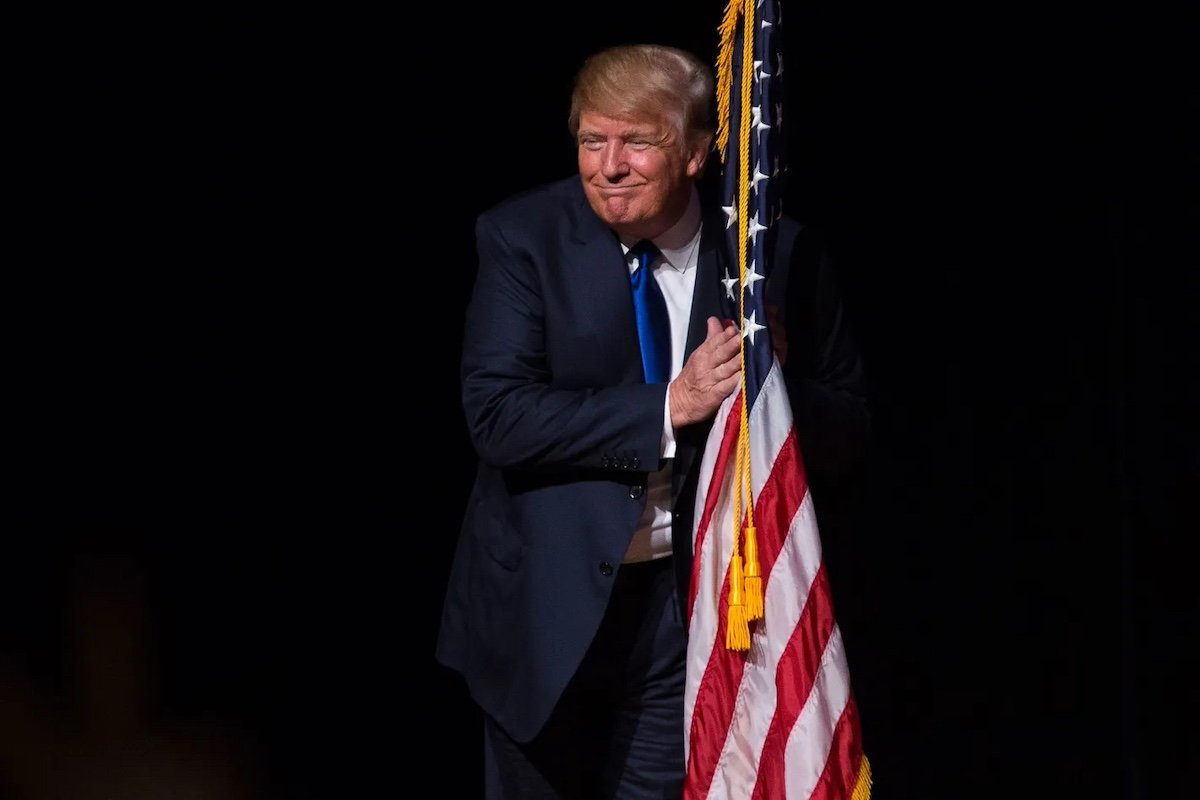
When President Donald J. Trump and President Xi Jinping sit down in Beijing on May 14-15, soybeans will be on the menu—but American farmers should not expect a feast. The two leaders are meeting under the shadow of a trade war that has repeatedly punished US agriculture, and while a truce holds, neither side trusts the other to keep it.
The shift in tone from Washington is notable. Trump’s 2017 National Security Strategy branded China a “revisionist power” and an adversary. His 2025 version drops such confrontational language, speaking instead of “rebalancing” trade and deterring conflict over Taiwan. Even a section targeting Chinese infrastructure projects in the Western Hemisphere avoids naming China directly, referring only to “non-hemispheric competitors.”
Yet actions speak louder than words. The administration has eased tariffs and allowed more sales of advanced US semiconductors to China—a move that alarms China hawks like Matt Pottinger, former deputy national security advisor. In January congressional testimony, Pottinger warned that such sales could “help China supercharge its military modernization.”
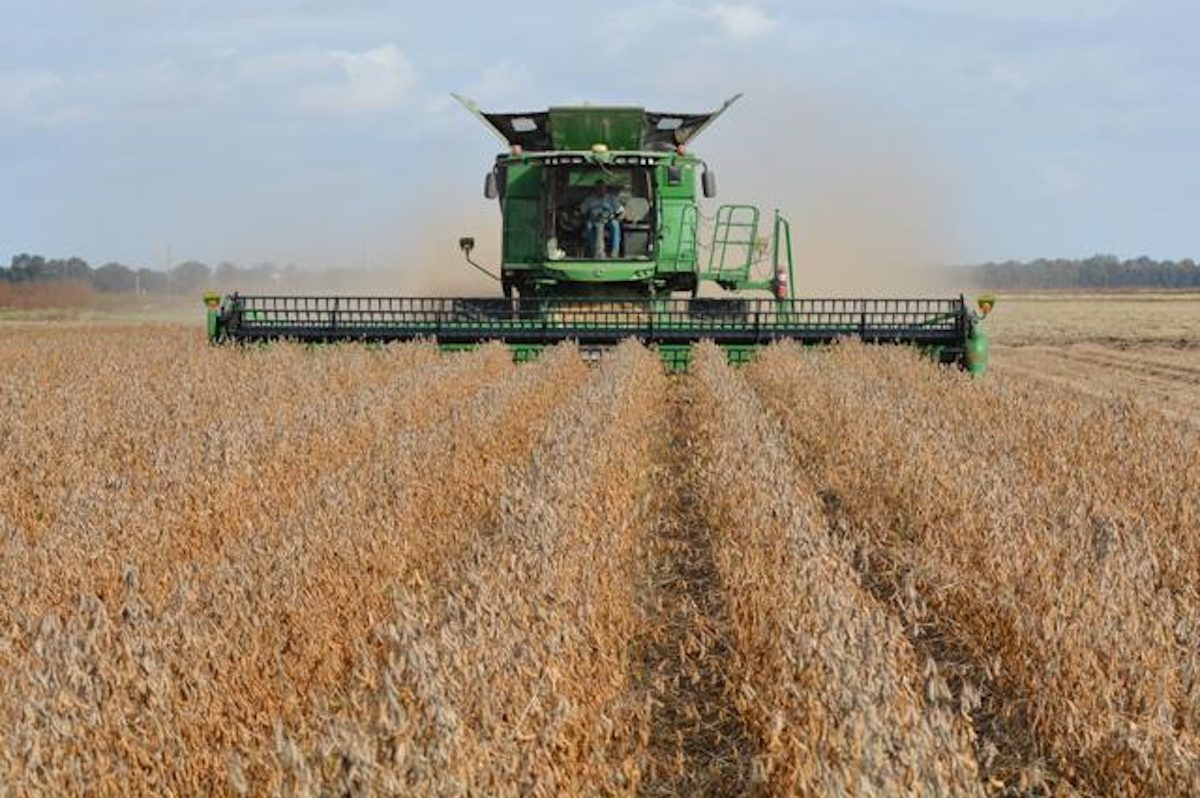
For American farmers, the trade war has been brutal. During the last round of tariffs, China halted all purchases of US soybeans for several months after Trump imposed 100% tariffs on Chinese goods. A recent analysis by The Economist concluded that “agriculture was hit harder by retaliatory tariffs than any other American industry.”
A Truce, Not a Peace Treaty
China agreed last fall to resume soybean purchases, and Trump slashed tariffs in return. But the arrangement is more a truce than a lasting peace. Neither side can be confident the other will abide by it indefinitely. Trump would love to return from Beijing with good news for soybean growers, and Xi may let him claim a symbolic victory. But the underlying tensions remain.
In the weeks before the summit, China has already signaled its readiness to push back. It ordered Meta, the US owner of Facebook, to unwind its $2 billion acquisition of Chinese AI startup Manus. And when the US Treasury sanctioned five small Chinese refiners for buying Iranian crude oil, Beijing retaliated by activating its anti-sanctions “blocking rules,” allowing the refiners to sue any party that complies with US sanctions. It was the first time China had used those rules.
Lingling Wei of The Wall Street Journal, a well-sourced China correspondent, reports that people around Xi believe he has figured out how to “manage” Trump: “The U.S. president can be exhausted and outwaited, and calibrated escalation resets the bargaining floor instead of blowing up the relationship.”
Whether Xi is overplaying his hand remains to be seen. Trump does not want to appear manageable, and he may remind Xi after the summit that he can inflict pain too. As we noted in our analysis of Trump's Beijing Summit: A Weak Hand Meets Xi's Strategic Patience, the US president enters these talks from a position of relative weakness, with a divided domestic front and limited leverage.
Meanwhile, China is preparing for the worst. It is actively reducing its dependence on US soybeans by buying more from Brazil and investing in infrastructure to help Brazilian producers get their crop to market. Beijing is also developing fermented pig feed to cut overall soybean consumption. The goal is clear: end reliance on American beans.
US soybean farmers must do the same. They may continue to sell some of their crop to China, but they need to diversify into other foreign and domestic markets. Just as China wants to stop depending on them, they need to stop depending on China. The truce may hold for a while, but the long-term trend is toward decoupling—and farmers on both sides of the Pacific should plan accordingly.