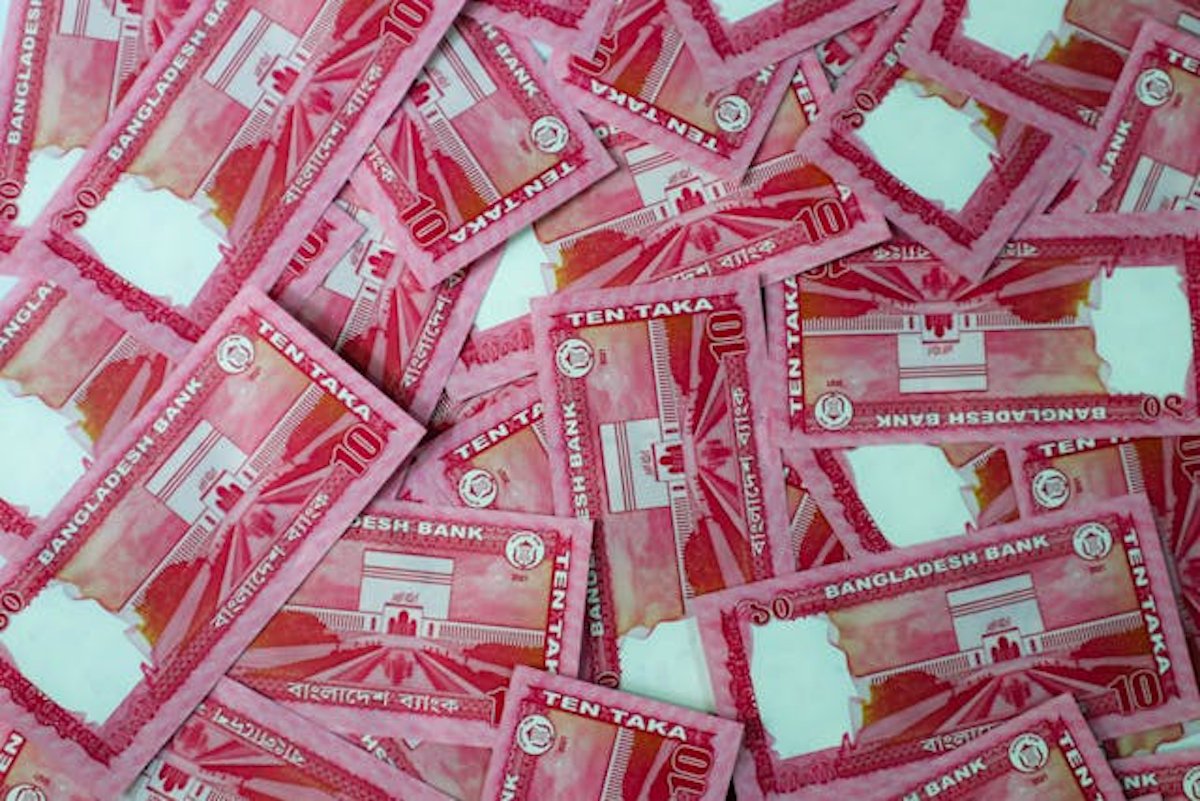
Bangladesh's economic accounts have long presented a contradictory picture. Official statistics have highlighted export growth and foreign exchange reserves, while a deeper analysis reveals a persistent hemorrhage of capital through illicit financial flows. Research from Global Financial Integrity (GFI) and subsequent domestic investigations point to systematic trade misinvoicing and banking sector fraud as the primary channels, siphoning tens of billions of dollars from the country over the past ten years.
GFI's analysis ranks Bangladesh among the economies most vulnerable to trade-based illicit flows. The method is straightforward: importers over-invoice to move money out, while exporters under-invoice to keep earnings offshore. The scale, however, is staggering. Estimates suggest the country lost approximately $68 billion over a decade through misinvoicing alone, with annual outflows sometimes exceeding $8 billion—a sum equivalent to a significant portion of yearly export earnings.
Institutionalized Capital Flight
This issue is not unique to Bangladesh; GFI estimates up to $1.6 trillion in potential trade misinvoicing across 134 developing nations. However, the Bangladeshi case is distinguished by the convergence of these flows with powerful corporate and political networks. Investigations launched following political changes have mapped alleged money-laundering activities across at least ten major conglomerates, including the S Alam Group, Beximco Group, Bashundhara Group, and Summit Group.
The domestic financial estimate of capital flight surpasses even the trade-based figures. Former Bangladesh Bank Governor Ahsan H. Mansur has suggested that between 2.5 trillion and 3 trillion taka (roughly $23 billion to $27 billion) may have been laundered abroad by major industrial groups. This broader figure encompasses not just trade misinvoicing but also loan diversion, tax evasion, and offshore asset accumulation.
The case of the S Alam Group is illustrative. Investigators allege the group diverted more than 2 trillion taka from at least eleven banks, including Islami Bank, with a significant portion transferred abroad and converted into assets like real estate across six countries. Similarly, the Beximco Group is estimated to have laundered about 500 billion taka, with overseas properties in London and Singapore linked to the owning family. The Bashundhara Group faces allegations concerning over 350 billion taka in loans, with assets traced to Singapore, Switzerland, the UK, the UAE, and Caribbean offshore centers.
Political Overlay and Macroeconomic Impact
The political dimension is explicit. Investigations link these financial networks to individuals associated with the previous administration of former Prime Minister Sheikh Hasina, including family members and senior allies. Courts have issued orders freezing hundreds of domestic and international properties and dozens of bank accounts linked to these politically exposed persons and their affiliated business groups.
The structure creates a damaging cycle. Trade misinvoicing provides the initial exit channel, while weaknesses in the banking sector—often involving state-influenced lending—supply the liquidity. Offshore jurisdictions and global real estate markets then absorb the capital through opaque ownership structures.
The macroeconomic consequences are severe. Over-invoiced imports artificially inflate demand for foreign currency, pressuring the country's reserves. Under-invoiced exports suppress recorded earnings, distorting trade balances and reducing tax revenue. This creates a fundamental gap between reported economic performance and financial reality. The scale of the leakage threatens Bangladesh's development trajectory, as the capital needed for critical infrastructure and industrial upgrading is instead moved offshore.
This pattern of capital flight through trade manipulation and banking vulnerabilities is a regional concern. It echoes broader challenges of financial governance and underscores how domestic economic policies can have international repercussions, affecting currency stability and investment climates. While global attention often focuses on major powers, the stability of economies like Bangladesh is crucial for South Asia's overall economic health. The mechanisms used—exploiting gaps between national trade data and using complex corporate networks—are relevant for regulators across Asia seeking to curb illicit financial flows.