TOKYO – After two years of near-vertical capital spending, euphoric earnings calls, and GPU shortages that became their own economic indicator, the mood toward AI has dramatically shifted. Hyperscalers, model makers and investors are now asking the same uncomfortable question: did the future arrive too fast?
The recent wave of slowdown warnings isn’t just caution — it’s the first real test of whether the artificial intelligence trade is a revolution, a slow-motion bubble or something in between. Every boom eventually reaches a moment when optimism stops compounding and starts questioning itself. Many now believe AI has hit that inflection point, the place where booms either harden into durable growth or crack under the weight of their own expectations.
Bubble warnings grow louder
“There are plenty of signs that we are now in the late stages of a bubble in AI,” says John Higgins, economist at Capital Economics. He argues the epicenter of any bust would likely be the US stock market, where most key indicators sit at or near levels that have historically preceded market peaks. But Asia, with its heavy reliance on AI-driven exports and semiconductor supply chains, would feel the shockwaves quickly.
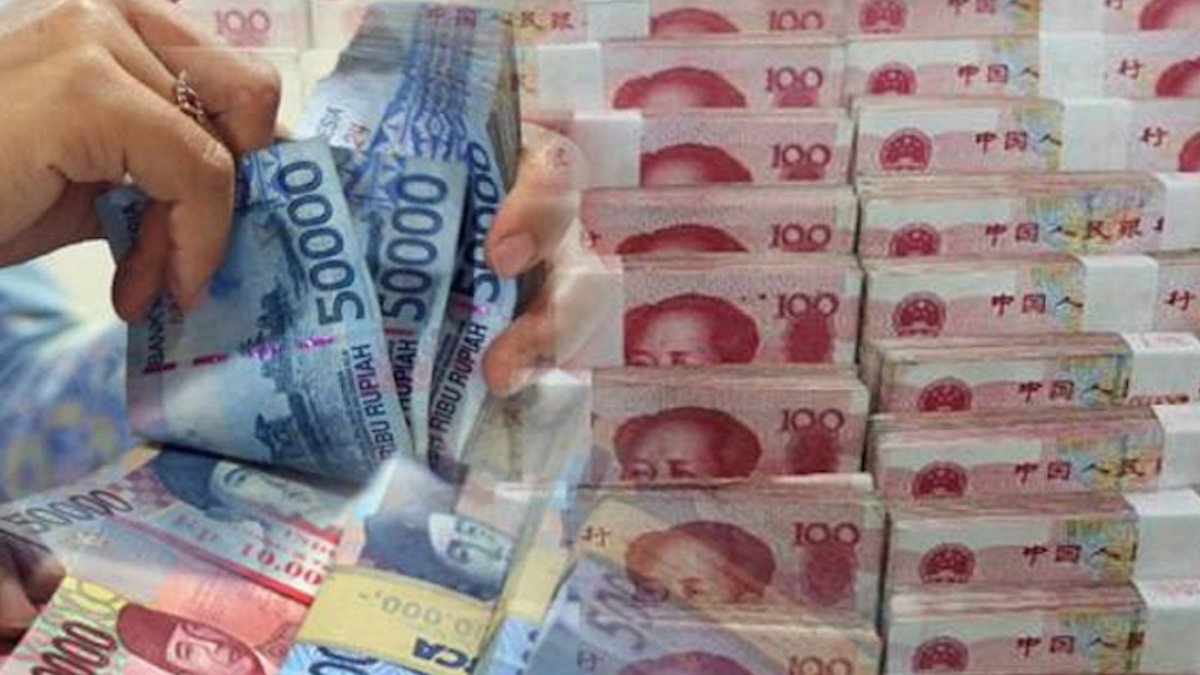
Adding to the unease, Higgins doubts markets will get the kind of shock-absorbing rally in US Treasuries that followed the dot-com crash of the early 2000s. With the US national debt recently topping US$40 trillion and President Donald Trump weighing on the Federal Reserve’s independence, confidence in Treasuries and the dollar is harder to come by. For Asian economies holding large dollar reserves, a sudden shift in US monetary policy could ripple through currencies from Tokyo to Jakarta.
Meanwhile, “AI fatigue,” as Wolfe Research puts it, appears to be spreading. “If this does lead to a slowdown and a rethink of AI spending, that will have ramifications for the economy and some important sectors of the stock market, because essentially we’ve been running hot based on AI spending,” says Steve Sosnick, analyst at Interactive Brokers.
Old-economy variables could compound the problem. Ruchir Sharma, chairman at Rockefeller International, warns that if the 10-year Treasury yield “decisively breaches” 5% — the top of its range since the dot-com era — it would signal the start of a tighter-money environment in which AI megaprojects become harder to fund. Debt-servicing costs are also far higher today, he notes, meaning rising public borrowing costs will squeeze other borrowers sooner and hit the “bubbly” AI market harder.
Investor Michael Burry, of “The Big Short” fame, has been warning since May that AI stocks are overpriced, calling the boom “just an asset bubble, plain and simple” and drawing direct comparisons to the dot-com era. More recently, he’s accused corporate leaders of “hype and puffery” designed to mask “real, uncontrollable slowing growth.” Nobel laureate Paul Krugman takes a different view, describing the AI craze not as a conventional asset bubble but as “a kind of fad, almost a social delusion.”
Asia’s exposure and resilience
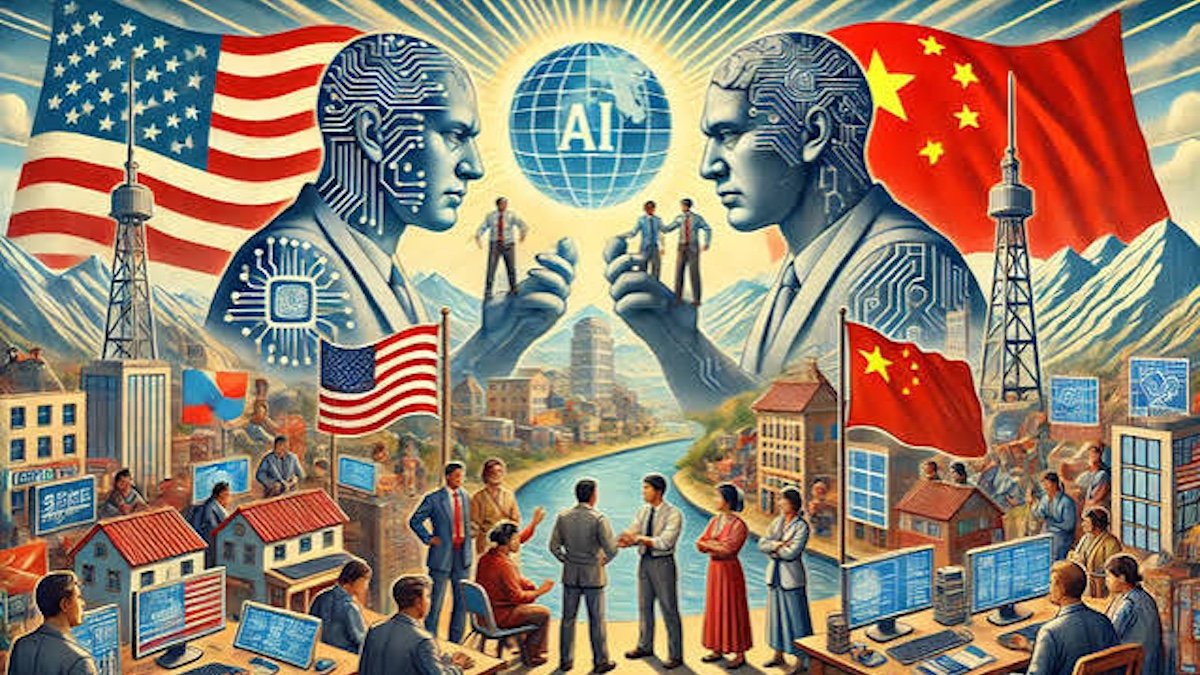
Asia sits on the fault line of this uncertainty. Japan’s semiconductor equipment makers, South Korea’s memory chip giants, and Taiwan’s foundries have all ridden the AI wave, but a slowdown would hit their order books hard. Meanwhile, China’s tech sector, already under pressure from US export controls, is pushing its own AI development, as some argue Beijing must feel real pressure for any global slowdown to translate into strategic change.
Yet not all analysts see doom. Some argue that Asia’s AI adoption is still in early stages, and that the region’s manufacturing heft and digital economies could cushion a downturn. Why Asia shouldn't fear Silicon Valley's AI slowdown push is a question gaining traction, as local firms from Bangalore to Singapore continue to invest in AI-driven services and infrastructure.
Still, the risks are real. A sharp repricing of AI assets could trigger capital outflows from emerging Asian markets, as seen in past tech busts. The strong dollar has already pummeled Asia's vulnerable currencies, and a further flight to safety would exacerbate the strain. For now, the region watches Washington and Wall Street, hoping that the AI boom matures rather than collapses.