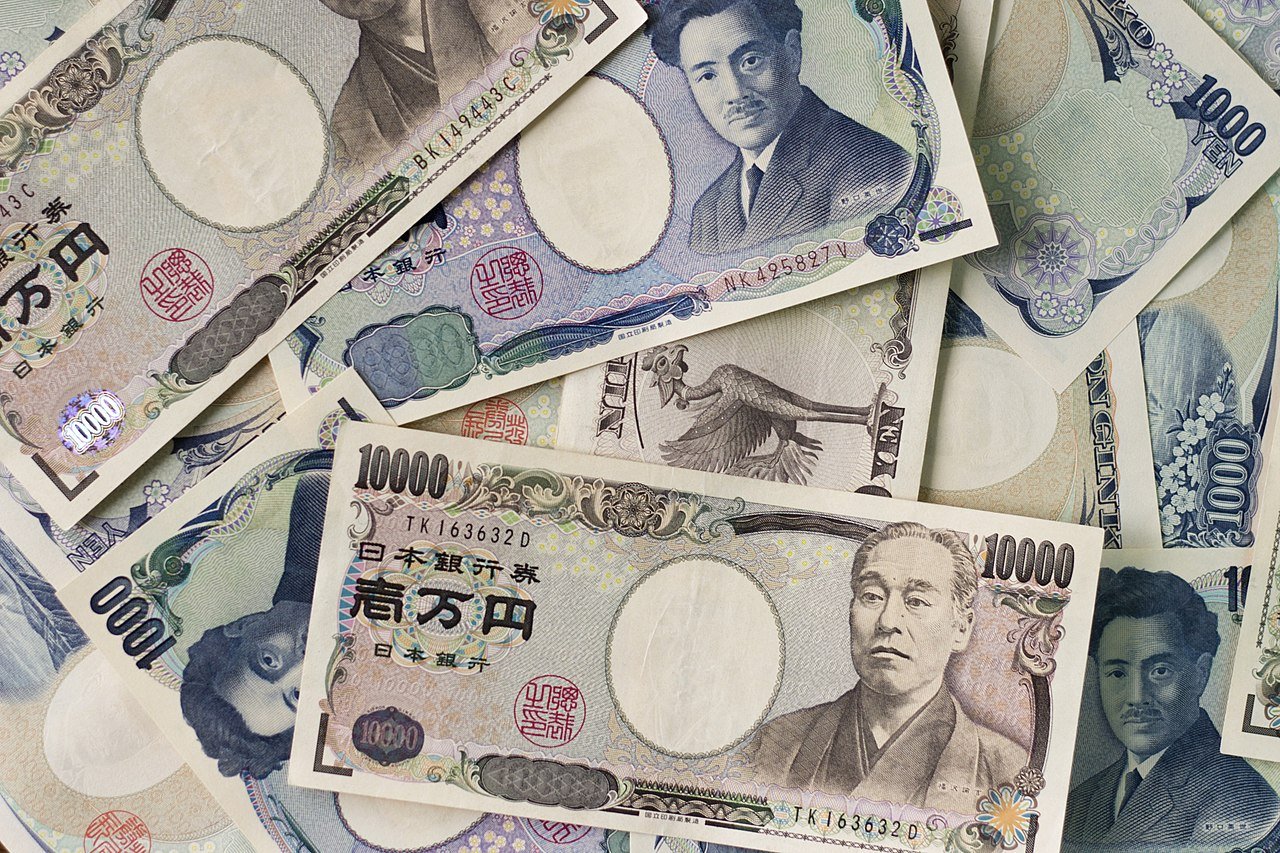
The Bank of Japan (BOJ) delivered its fifth rate hike in two years on Tuesday, raising the benchmark rate by 25 basis points to 1% — a level not seen in three decades. Yet the reaction from financial markets was notably subdued: the Nikkei 225 climbed above 70,000 for the first time, while the yen remained largely unchanged against the dollar. Investors interpreted the move not as a tightening shock, but as a signal that the central bank's normalization campaign is quietly losing steam.
The context is critical. Japan's economy is grappling with stagflation — growth is projected at just 0.5% for the current fiscal year, well below the inflation rate. Consumer prices rose only 1.4% year-on-year in May, though the BOJ's preferred measure, which strips out government energy subsidies, stands at 2.8%. Meanwhile, Prime Minister Sanae Takaichi, a disciple of the late Shinzo Abe, has long opposed higher rates, calling the idea "stupid" before taking office last October. Her government has yet to post a single policy win in 238 days, and her economic framework — dubbed "Sanaenomics" — depends on a weak yen and ultra-low borrowing costs.
The BOJ's decision was not entirely voluntary. Bond vigilantes had already pushed 10-year Japanese government bond (JGB) yields to a 30-year high of 2.7%, effectively threatening to tighten financial conditions for the central bank if it did not act. Even Takaichi's administration understands that a narrative of the BOJ falling behind the curve would damage her approval ratings. As former U.S. President Donald Trump's collapsing poll numbers show, telling voters that inflation is not real is a losing strategy.
A Cautious Pivot
The rate hike itself was not the main story. More telling was the BOJ's decision to hold its monthly bond purchases steady at roughly 2 trillion yen ($12.5 billion) through April 2027 — freezing, rather than intensifying, its quantitative tightening program. This directly contradicted earlier pledges to reduce its balance sheet. The implication is clear: the BOJ under Governor Kazuo Ueda, who was hospitalized last week with a liver infection, is more worried about economic stagnation than inflation. Board member Toichiro Asada dissented, voting for a hold, and the final tally was 7-1.
The yen remains a persistent headache. Once it slips past 160 to the dollar, Tokyo faces a serious problem. With the Iran war pushing up oil, food, and fertilizer prices — Japan imports more than 95% of its energy from the region — an undervalued yen imports bad inflation faster than households can absorb it. Letting the yen drift toward 170 would trigger heavier intervention by the Ministry of Finance and antagonize the Trump administration, which is sensitive to any hint of currency manipulation. Treasury Secretary Scott Bessent has been pressing the BOJ to accelerate hikes.
Japan's structural challenges run deeper. Every prime minister since Junichiro Koizumi, who took office in 2001, has promised to cut red tape, reform labor markets, and close the gender pay gap. None has delivered with sufficient urgency. Twenty-seven years of near-zero rates and a weak yen removed the pressure on corporate Japan to restructure, innovate, or take risks. As the International Monetary Fund notes, "Japan's ultra-low interest rates may have allowed low-productivity firms to survive longer than they otherwise would have, delaying necessary economic restructuring."
Wages are finally rising — Japanese unions secured an average 5.26% hike for permanent employees in this year's shunto spring negotiations, the third consecutive year of 5%-range gains. But without matching productivity growth, this is a double-edged sword. Japan ranks 28th out of 38 OECD members in worker efficiency, last among the G7, meaning wage gains risk feeding the inflation the BOJ is already struggling to contain.
For now, investors are taking a positive view. "The stars had aligned for another BOJ blockbuster hike today," said Krishna Bhimavarapu, economist at State Street Investment Management. "The rise of the policy rate to the psychologically critical 1% level happened alongside sustained shunto wage growth, continued economic growth and sound telegraphing. This hike is quite a moment for the Bank." Looking ahead, Bhimavarapu added that continued normalization depends on the bullish outlook for AI and related sectors. The BOJ's decades-old monetary experiment, which began with zero rates in 1999, now threatens the yen's stability, as explored in a related analysis.
The broader lesson is that Japan's monetary policy has become a political tool as much as an economic one. Takaichi's government wants to avoid the political fallout of higher rates, but the bond market and external pressures are forcing its hand. Whether the BOJ can navigate this tension without triggering a crisis remains an open question.