Vietnam's top leader, Tô Lâm, is making his first official visit to Australia and New Zealand this week, leading a high-level delegation of ministers. As general secretary of the Communist Party of Vietnam, he is the first to visit both countries in that role since 2009. The trip is expected to yield over a dozen agreements spanning education, agriculture, healthcare, technology, tourism, defense, and security.
Beyond the formal agenda, two sensitive topics are likely to surface: the role of the Vietnamese diaspora (Việt kiều) in both nations, and maritime security in the South China Sea. These issues reflect Hanoi's broader strategy to reposition itself as a proactive middle power in the Indo-Pacific.
A more assertive foreign policy
Since assuming the top post in August 2024, Tô Lâm has embarked on an unusually active diplomatic schedule. Last year alone, he visited Russia, the UK, and both Koreas. This year, as president, he has met with US President Donald Trump, Chinese leader Xi Jinping, and Indian Prime Minister Narendra Modi. At the Shangri-La Dialogue in Singapore, he warned of a global order where “big fish swallow small fish,” signaling Vietnam's intent to play a larger role.
This diplomatic push is part of a deliberate shift away from Vietnam's traditionally passive stance. By deepening ties with a range of partners, Hanoi aims to secure its interests in a volatile region.
Courting the diaspora
The Vietnamese diaspora in Australia and New Zealand is a key focus of this visit. Last week, the Communist Party adopted a resolution at its biennial diplomatic conference that redefines overseas Vietnamese as a “strategic national resource.” The goal is to channel their capital, expertise, and networks toward Vietnam's ambition of becoming a high-income country by 2045.
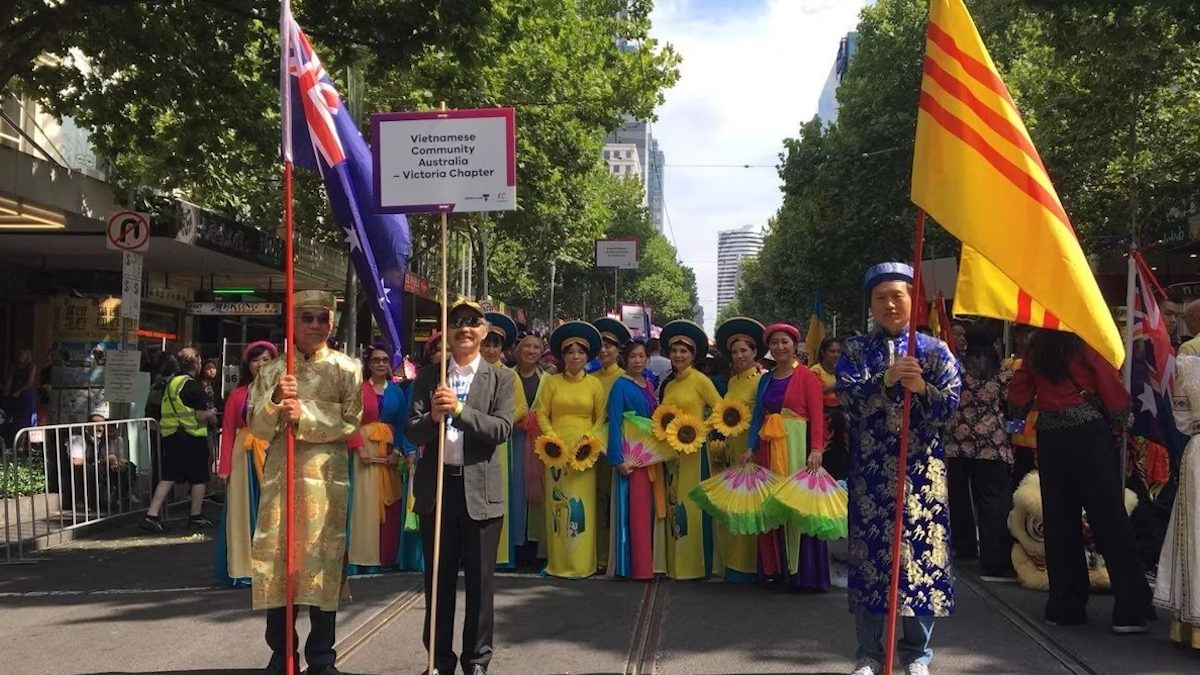
Australia is home to roughly 350,000 people of Vietnamese heritage and 35,000 Vietnamese students, while New Zealand hosts about 14,000. These communities are seen as vital to Vietnam's development plans. However, the strategy faces a significant hurdle: deep-seated distrust among many Vietnamese-Australians, particularly the highly skilled, toward the communist government.
Half a century after the Vietnam War, the Communist Party still views the diaspora primarily as an economic asset. Policies focus on encouraging remittances, investment, and technology transfer, but offer little room for political participation or free expression. This tension was on display in Melbourne on April 30, when rival groups commemorated the end of the war—one protesting human rights abuses, the other showing support for the current government.
Without genuine openness to the concerns of the established diaspora, the party's economic mobilization strategy may fall flat. As China's recent moves to punish diaspora critics show, heavy-handed approaches can backfire.
The elephant in the room
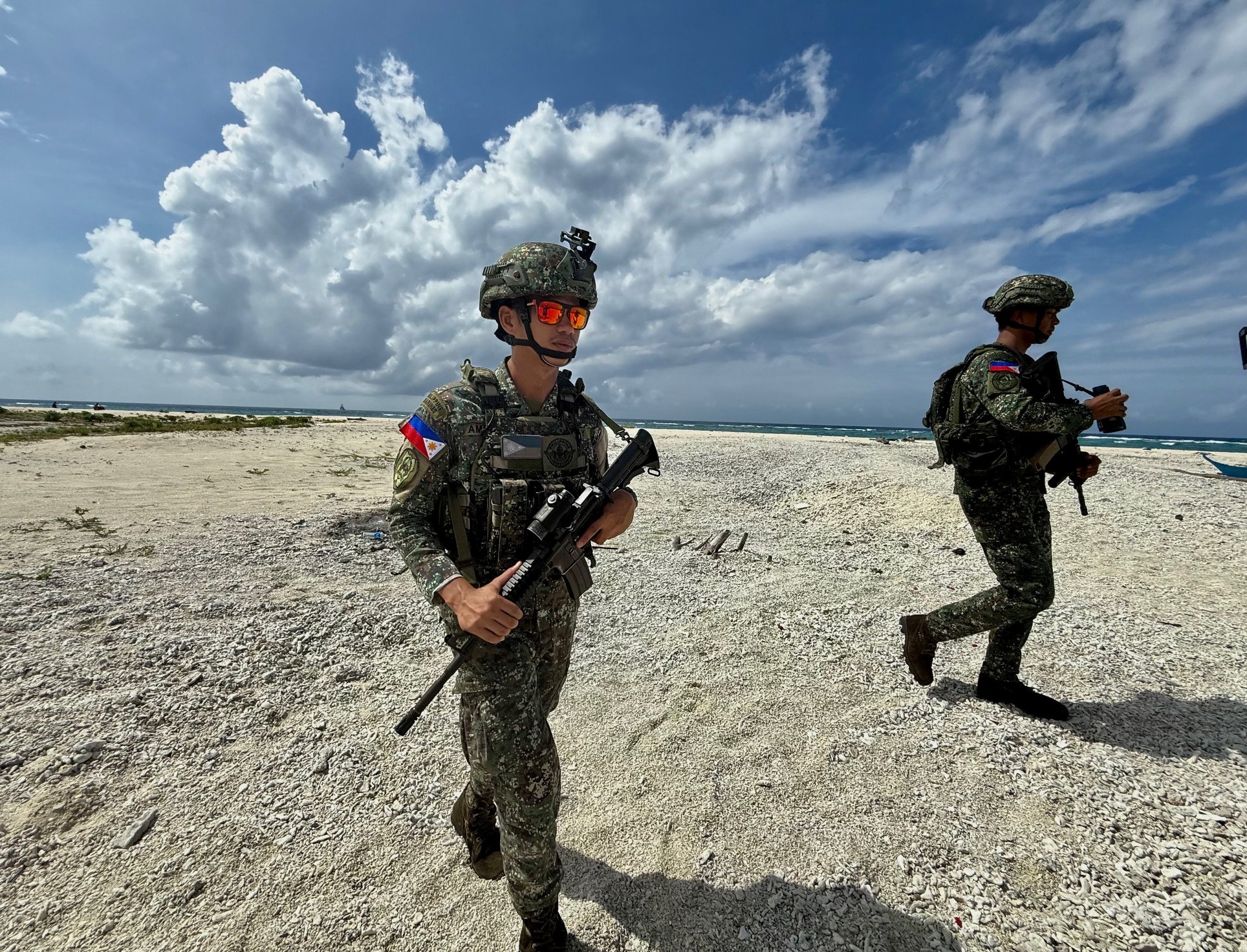
Both Australia and New Zealand have upgraded ties with Vietnam to “comprehensive strategic partnerships” in recent years. Defense and security cooperation is a growing pillar, with the first Ministerial Security Dialogue held in Canberra in October 2024 and joint naval exercises in the South China Sea.
While China is not the official focus, it looms large. Vietnam must balance its partnerships carefully: China is its largest trading partner and a major investor, while the US remains the key market for its manufacturing exports. Hanoi is pursuing “strategic autonomy,” expanding its network to avoid over-reliance on any single power.
This balancing act is evident in Vietnam's approach to the South China Sea. It will deepen security ties with Australia but refrain from publicly criticizing China, a stance that may frustrate some in Canberra. As Australia's experience with Chinese economic coercion illustrates, such dynamics are fraught with complexity.
For Vietnam, the success of this visit will be measured not just in signed agreements, but in whether it can bridge the trust gap with its diaspora—a challenge that no diplomatic summit can easily resolve.