China's trade surplus has ballooned past $1 trillion for the year, a stark reminder that the world's second-largest economy remains a formidable export powerhouse—even as its domestic foundations show signs of strain. The latest customs data, released a week after the US midterm elections, showed imports surging 42% year-on-year in October, while exports jumped 35%, as Beijing continues to navigate around tariffs imposed by the Trump administration.
The surplus for the first ten months of 2026 is 9% larger than the same period last year, already surpassing the previous record set in 2025. For President Donald Trump's supporters, who saw his trade war as a tool to reverse this imbalance, the numbers are a bitter pill.
“We expect Chinese exports to stay strong for the rest of this year, led by electronics and autos,” said Dave Chia, an economist at Moody's Analytics. Hao Zhou, an economist at Guotai Junan International, told Bloomberg that the surplus “underscores the resilience and competitiveness of its export sector despite a more challenging global trade environment.”
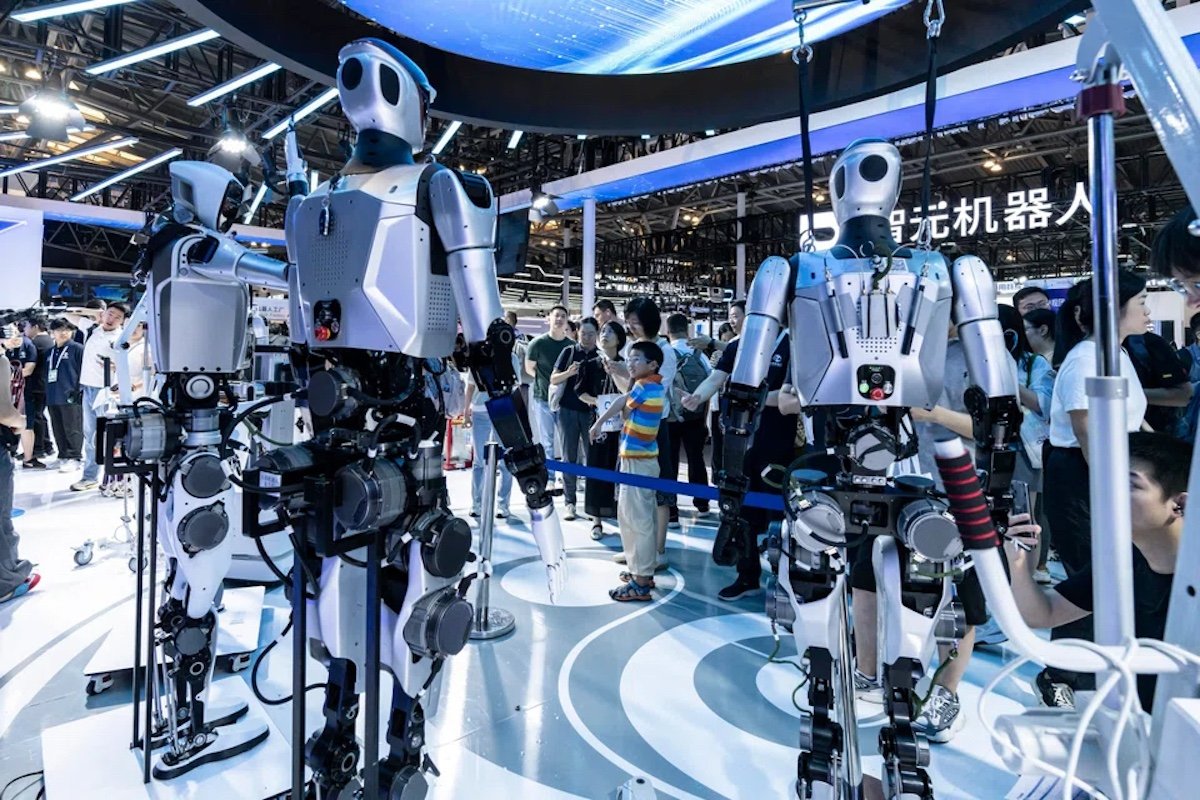
The export boom is increasingly tied to the global artificial intelligence race. Tianchen Xu, senior economist at the Economist Intelligence Unit, notes that demand for tech-related products is a key driver. HSBC economist Taylor Wang adds: “High-tech demand, supported by the global and domestic AI upcycle, remained the key driver, while China's pricing and supply-chain competitiveness in other major export categories also helped sustain the momentum.”
Domestic cracks widen
Yet the export surge masks a deepening domestic slowdown. The property slump, now in its sixth year, continues to weigh on household wealth—real estate accounts for roughly 70% of Chinese household assets. Property development investment has fallen sharply, and retail sales grew just 1.1% in the first nine months of 2026. Vehicle sales have declined for 12 consecutive months, with August seeing an 18.5% drop year-on-year. Gold and jewelry sales plunged 17.5% in the same month.
Deflation remains a live risk for China's $21.5 trillion economy, and youth unemployment hovers near 18%. This domestic weakness has global implications: as Chinese households cut back, producers are flooding overseas markets with cheap goods, further inflating the trade surplus and fueling price wars at home.
The reliance on AI-related exports is a double-edged sword. “While this AI tailwind should continue to support exports into 2027, we think it will flip to a major headwind later in the year with the biggest fallout in Asia,” warns Simon MacAdam, deputy chief global economist at Capital Economics. A slowdown in US data-center investment, for instance, could hit China's tech exports hard.
Political risks also loom. The incoming Democratic-controlled Congress may tighten restrictions on overseas chip sales and data-center construction. Meanwhile, Trump, facing domestic constraints, could lash out with new tariffs. Joe Peissel, lead macroeconomist at Trivium China, says the risk of additional trade barriers will “remain elevated” in the year ahead, complicating planning for mainland manufacturers.
For now, Beijing appears content with its stabilization efforts. Duncan Wrigley of Pantheon Macroeconomics notes that exports are rising, hi-tech manufacturing outperforms traditional sectors, and China is climbing the value-added ladder. But as David Qu, an economist at Bloomberg Intelligence, points out: “Robust export and import growth in October again underscores the importance of tech manufacturing to China's economy. It also highlights a vulnerability for a recovery that lacks support from domestic demand.”
Local governments are increasingly borrowing to finance investment, as weak land revenue constrains their budgets. Fitch Ratings analyst Sherry Zhao expects capital revenue to fall by more than 20% in 2026, as tighter land and property policies limit supply and demand.
China's leaders have been slow to address the stark split: exports booming, domestic demand faltering. The AI wave may be a lifeline, but it is not enough to offset the property downturn, soft household spending, strained local finances, and record youth unemployment. If the AI bubble bursts, China's economy could limp into 2027, analysts warn.