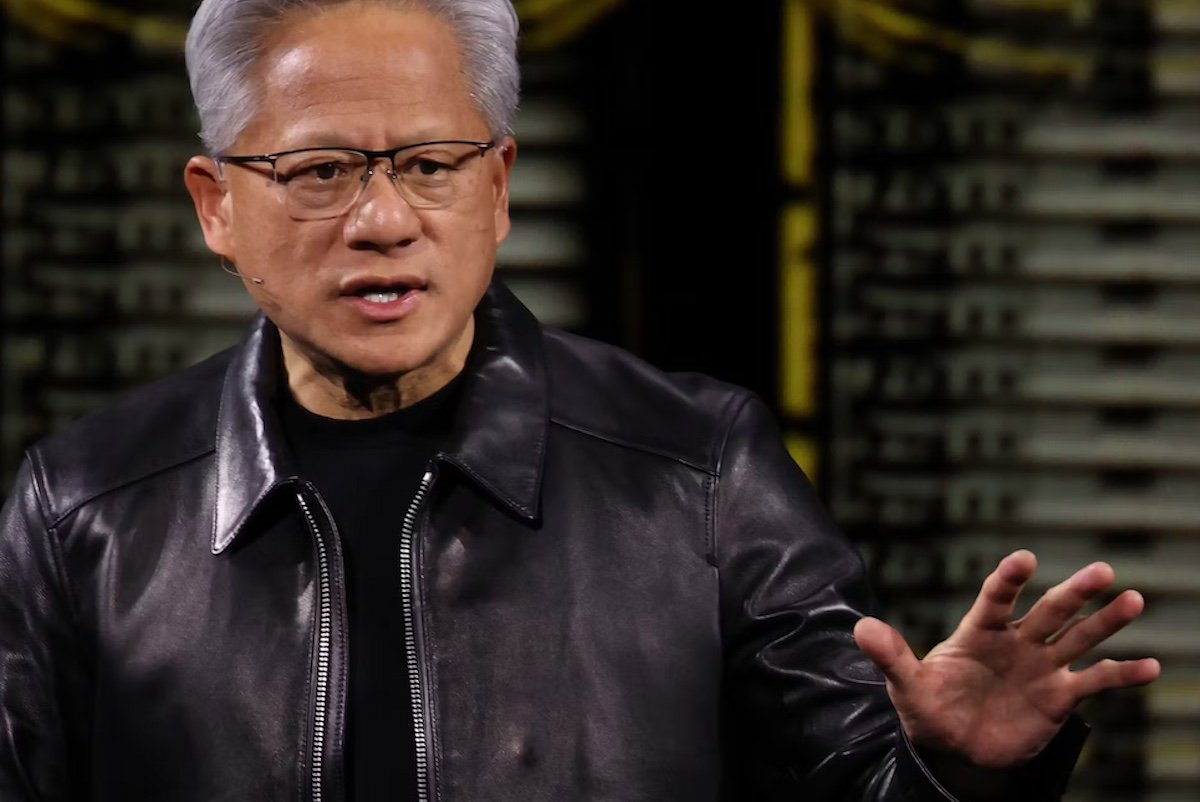
Jensen Huang, the co-founder and chief executive of Nvidia, the world's dominant supplier of artificial intelligence chips, has admitted to an extramarital affair. The woman involved, Alice Huang (no relation), has been under US investigation for years on suspicion of acting as a Chinese intelligence agent. While Beijing dismisses the espionage claims, the revelation has thrust Nvidia into a geopolitical storm with potentially enormous financial consequences.
Nvidia controls over 80% of the market for high-end graphics processing units (GPUs) that power AI systems and data centers. These chips have become a critical front in the US-China technology rivalry. Washington has restricted exports of Nvidia's most advanced chips to China since 2022, with some relaxation last year, aiming to slow Beijing's AI ambitions. Yet Chinese enterprises have repeatedly probed the limits of these sanctions, often through intermediaries in Southeast Asia.
The Singapore connection
Trade records show that over US$3 billion in chips moved from Singapore to China in a single year, with similar volumes from Malaysia. Companies like Megaspeed, where Alice Huang once worked, have been accused of buying Nvidia chips and re-exporting them to China. Jensen Huang has long lobbied for looser export restrictions, a stance now viewed in a new light given his personal ties.
The scandal has already hit Nvidia's share price, and the company is reportedly under criminal investigation. US regulators are mobilizing: Congress has asked Jensen Huang to explain his interactions with Alice Huang and detail how Nvidia guards against foreign espionage. The company's board is also conducting its own inquiry.
If Nvidia is forced to guarantee that its chips never reach China, its sales pipeline could grind to a halt. That would have ripple effects far beyond the company itself. The AI sector is built on a web of circular financing, where firms invest in their own suppliers and customers. Nvidia sits at the center of this loop, and any disruption could trigger a broader financial crisis.
Investors are already questioning whether the massive sums poured into AI will ever yield returns. OpenAI has delayed its planned stock market listing, while Anthropic's expected listing is rumored to face a 'junk bond' rating, signaling high risk. Data center operators are also losing value amid community backlash and soaring energy costs.
For decades, Jensen Huang's personal brand has been inseparable from Nvidia's success. Investors have backed him as a visionary underwriting the entire AI ecosystem. That trust is now tarnished. If it erodes further, or if Nvidia loses its way, a shortage of GPUs may be the least of the AI industry's problems.
The scandal also intersects with broader regional dynamics. As US chip export curbs tighten, Asian economies from Singapore to Malaysia could see shifts in trade flows. Meanwhile, China's influence in Southeast Asia remains a counterweight to US pressure. The outcome of this affair could reshape not just Nvidia's fortunes, but the balance of tech power in the Indo-Pacific.