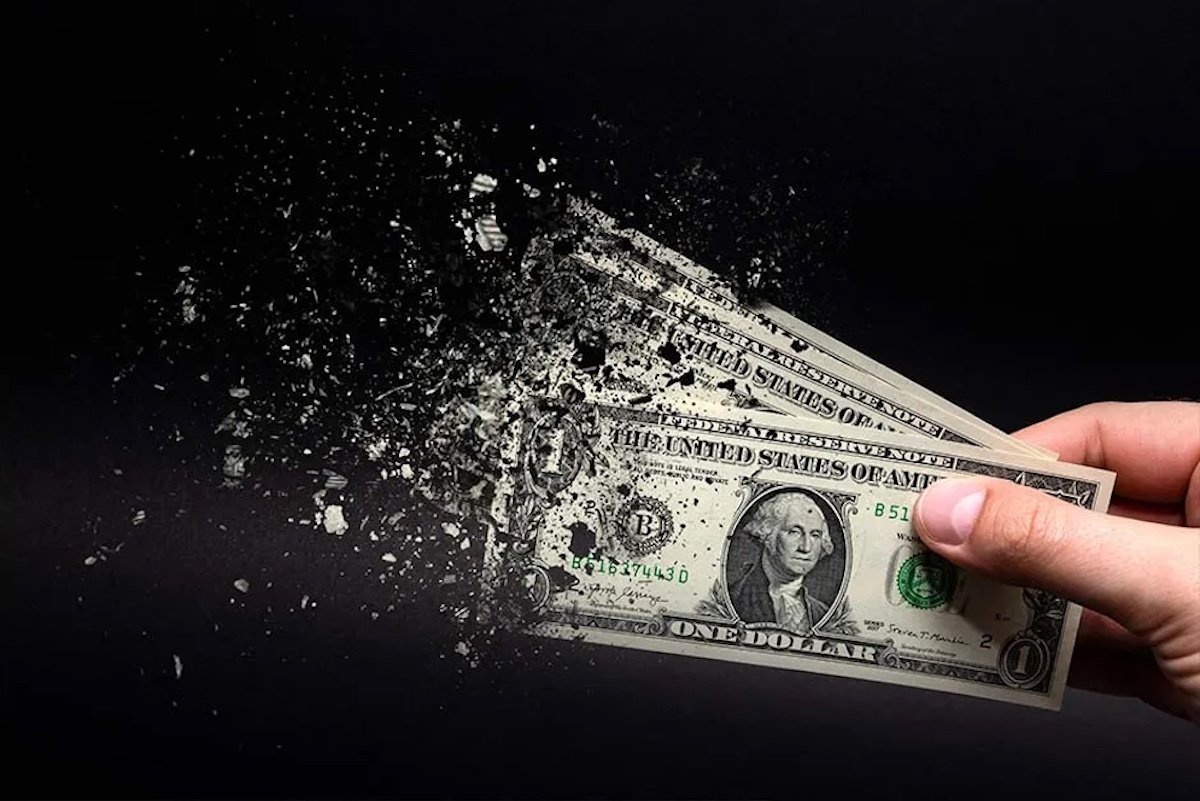
Washington's political class spent the past week dissecting what the Democratic sweep of Congress means for the next two years of President Trump's term. But the outcome—gridlock in the Senate and House—has barely registered in the quiet, steady erosion of the dollar's global dominance.
The dollar index did slip to a one-month low on the news, but that is a blip. For a quarter of a century, central banks and finance ministries have been slowly reducing their reliance on the US currency, and no election result will reverse that. The world is moving toward a multipolar currency system, and Asia is stepping on the accelerator.
Reserves shift, slowly but surely
At the turn of the century, the dollar accounted for roughly 71% of global foreign exchange reserves. By the end of June this year, that share had fallen to 56.70%. These are the most cautious investors on the planet—central banks—and they have been moving in one direction for 25 years. They are not dumping dollars outright; in the second quarter, dollar holdings barely moved, while the euro posted the biggest gain in both holdings and share, mostly through active buying.
Existing dollar reserves stay put, but new money is increasingly directed elsewhere. This gradual diversification rarely makes headlines, which is precisely why it will be so hard to reverse. The trend is structural, not cyclical.
Politics has given the shift new urgency. When Western governments froze Russia's central bank reserves in 2022, every finance ministry in the world drew the obvious conclusion: reserves held in dollars are only as secure as a country's relationship with Washington. That lesson now sits in every reserve manager's risk assessment, and it is not going away.
US trade policy reinforces the point. Two days after the midterms, President Trump warned that foreign companies not building factories in the US could face tariffs of up to 300%. When access to the world's biggest consumer market can be widened or narrowed by decree, governments naturally limit how much of their national wealth depends on the goodwill of the country printing the reserve currency.
America's finances add to the pressure. National debt is now around $40 trillion, and the US runs heavy deficits even in good years, leaning on foreign buyers to fund them. Holding Treasuries means lending to a borrower whose debt keeps climbing and whose budget fights have shut down the government more than once. Treasuries remain safe, but holding too many of them is getting harder to defend.
Asia's trade, Asia's currency
The global economy has been tilting East for decades, and more and more of Asia's trade now happens within Asia. Two Asian economies trading with each other have less and less reason to route every invoice through a third country's currency, with all the cost and political exposure that brings.
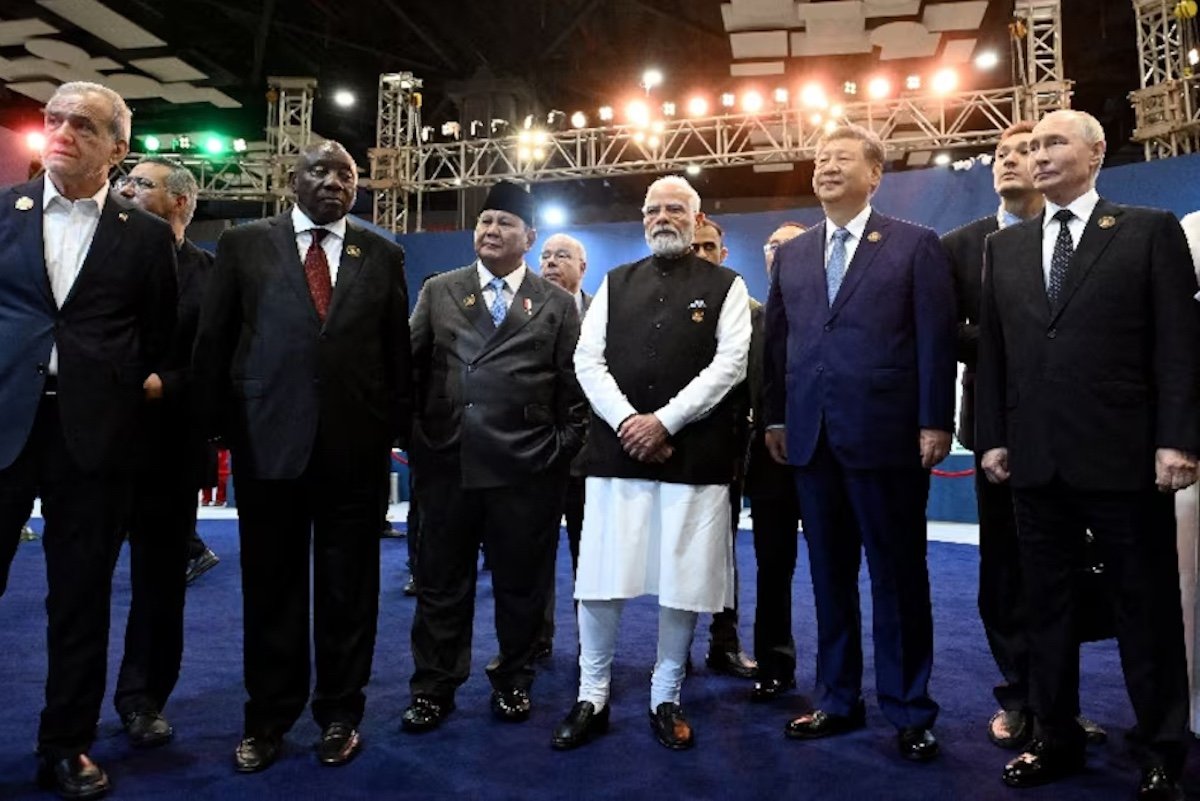
Technology is speeding this up. For generations, part of the dollar's strength came from the payments infrastructure built around it. But rival infrastructure is going up in plain sight. At the BRICS summit in New Delhi in September, leaders mandated a payment task force to link payment and messaging systems for trade settled in local currencies. India is encouraging members to expand the use of central bank digital currencies for cross-border payments.
Nobody is overtly trying to launch a single rival currency. India confirmed there was no proposal for a common BRICS currency, and the emerging bloc is better off for it. A shared currency would demand a level of trust between these governments that simply does not exist.
Gold has been another big winner. In 2025, gold overtook US Treasuries as a share of official reserves, largely on the back of rising prices. It carries no counterparty risk, answers to no government, and a more divided world prizes both.
Talk of the dollar's demise is premature. The dollar was on one side of 89% of foreign exchange trades in April 2025, while the renminbi made up just 1.95% of global reserves at the end of last year. The decline will be gradual, but far from smooth.
In a crisis, money still runs to the dollar first. Higher US interest rates can prop up the currency for months at a time, and markets are pricing in roughly an 85% chance of a Federal Reserve interest rate hike next month. More dollar rallies like these are likely, yet none of them changes the direction of travel.
Anyone with assets, income, or future spending in more than one currency should expect bigger and less predictable currency swings as the system moves from one dominant currency to a multipolar version. Currency exposure, gold, and real assets all carry more weight in long-term planning than they did a decade ago.
Every force behind this shift is pulling in the same direction. Sanctions have taught governments that dollar reserves can be frozen, tariffs keep reminding them that access to America can be rationed, and Washington's debt keeps growing regardless of who runs Congress. Meanwhile, Asia's trade increasingly stays inside Asia, the payment links to settle it are being switched on, and its central banks keep buying gold. Each step makes the next one easier.
The slide in the dollar's share is already visible, but the new payment systems have barely begun to carry real volumes of trade. Once they do, the shift is likely to speed up. For a deeper look at how Asia's central banks could pressure Washington, see this analysis. And for more on the political dynamics, check how the midterms affect Asia's outlook.