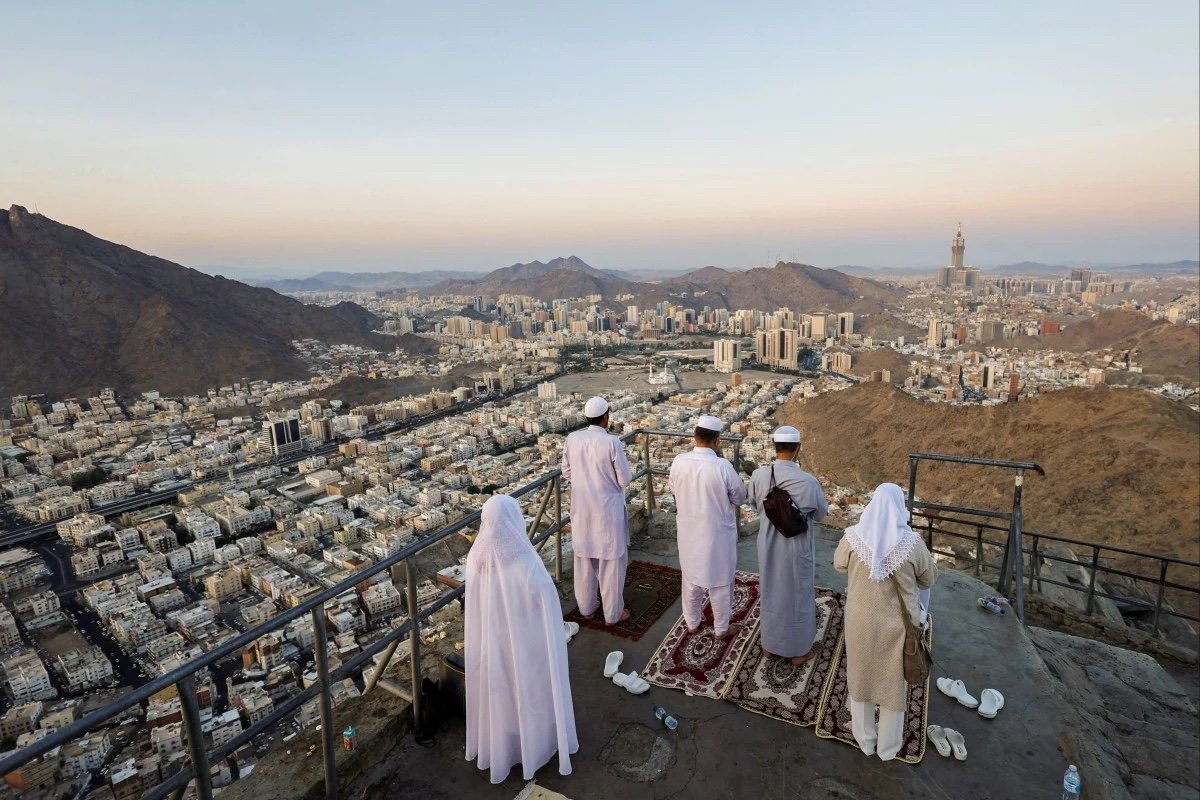
When Saudi Arabia executed two Bangladeshi nationals on October 14, the government in Dhaka responded with a caution that many citizens found hard to stomach. The executions of Nazrul Islam Abdul Basir and Siti Akhtar, convicted by Saudi authorities of immoral acts inside a mosque in Mecca, were met with a muted official reaction, even as social media in Bangladesh erupted in anger and frustration.
The Bangladeshi consulate in Jeddah reportedly sought formal confirmation, and the foreign ministry requested details. Officials then moved quickly to reassure Riyadh that bilateral relations would remain unaffected. That diplomatic posture, critics say, placed the preservation of economic ties above the pursuit of justice for two executed citizens.
Unanswered questions about due process
The case raises fundamental questions about legal representation, access to interpreters, and the possibility of appeal. Did the defendants receive competent counsel? Were they able to communicate with their lawyers? And where were Bangladesh's diplomats throughout the judicial process? These are not abstract concerns; they go to the heart of consular responsibility.
Bangladesh's State Minister for Foreign Affairs, Shama Obaed Islam, admitted that Dhaka and its Saudi mission had received no advance notice of the executions. She called them “unexpected” and described the episode as a “major lesson.” But the lesson remains ambiguous: is it that Bangladeshi workers must obey foreign laws, or that their government must do more to protect them?
On October 18, Foreign Ministry Secretary Md Nazrul Islam met with Saudi Ambassador Abdullah Zafer bin Abiyah. Officials were careful to note that the ambassador had not been summoned, and they stressed that the incident would not damage bilateral relations. The message was clear: Dhaka was more concerned with avoiding Saudi displeasure than with defending its citizens.
The sentences were reportedly imposed under ta'zir, a category of Islamic punishment that allows judicial discretion. That makes questions about proportionality and judicial reasoning especially pertinent. While the sanctity of Mecca's Grand Mosque is beyond dispute, religious reverence cannot substitute for judicial scrutiny. Questioning a death sentence is not an attack on Islam; it is a demand for accountability.
Economic dependence vs. consular duty
The economic stakes are enormous. Saudi Arabia is Bangladesh's largest overseas labor market, with more than 752,000 Bangladeshis traveling there for work in 2025—roughly two-thirds of all overseas deployments. An estimated 3.5 million Bangladeshis live and work in the kingdom, and remittances from Saudi Arabia totaled $5.85 billion in FY2025-26, making it the largest source of such income.
These numbers explain Riyadh's importance to Dhaka. But dependence should make consular protection more urgent, not less. Bangladeshi workers build Saudi infrastructure, staff its businesses, and maintain its households. Riyadh benefits from their labor; Dhaka benefits from their earnings. This is mutual dependence, even if the bargaining power is unequal.
Yet Bangladesh's diplomacy has focused heavily on recruitment agreements, labor quotas, and remittance flows, while legal protection receives far less attention. Workers often arrive burdened by recruitment debts, unfamiliar with Arabic, and unable to afford lawyers. Some face exploitation or detention without understanding their legal options. Saudi labor reforms have addressed parts of the sponsorship system, but they have not eliminated the vulnerability of low-paid migrants.
The Vienna Convention on Consular Relations provides a framework for consular communication and access. Dhaka must establish whether those protections were respected in this case. A functioning consular system should know when its nationals face capital punishment, who represents them, what remedies remain, and whether their families have been informed.
There is also a strategic dimension. Bangladesh has been exploring participation in the proposed Mecca Pact, a Saudi-led security arrangement involving Pakistan and Türkiye. In August, State Minister Humaiun Kobir spoke favorably about the initiative; in September, State Minister Shama said Dhaka was examining its implications. The proposed pact raises questions about military commitments and regional alignments—and it exposes a strange hierarchy. Bangladesh is contemplating deeper security cooperation with Saudi Arabia while struggling to establish whether its citizens received adequate protection before being executed there.
Before considering collective defense, Dhaka should demonstrate that it can defend the legal interests of its own people. The silence from Dhaka on these executions sends a troubling message: that remittances matter more than lives. That is a lesson no government should teach.