Myanmar's military junta has moved former State Councilor Aung San Suu Kyi from prison to a so-called "designated residence," a change of venue that some Western officials have cautiously welcomed. But the gesture is a familiar one from a regime that has repeatedly used such tactics to burnish its image while maintaining iron-fisted control.
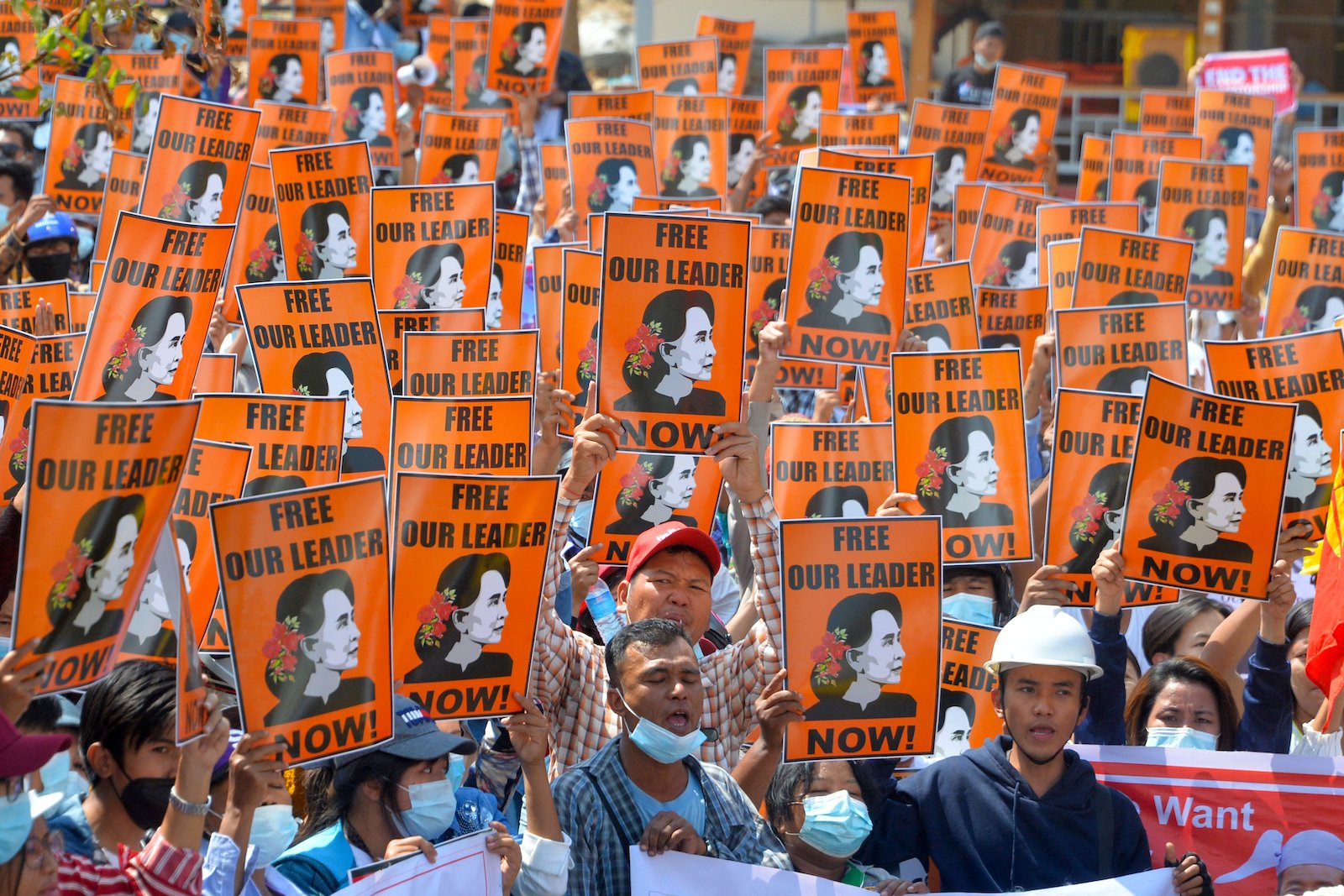
Suu Kyi, 79, has not been seen in public since the February 2021 coup, and no independent verification of her health or location exists. The junta has offered no access to family or lawyers. The move from prison to house arrest—a status she endured for 15 years between 1989 and 2010—changes nothing about her status as a political detainee.
A well-worn playbook
The pattern is by now predictable: imprison opponents, shift them between facilities, release a few, reduce sentences, and wait for foreign praise. Some European governments have already begun to respond. Seema Malhotra, the UK minister for the Indo-Pacific, called the transfer "a welcome first step," while the European Union urged Suu Kyi's full release and freedom for all political prisoners. France backed a "Proof of Life" campaign led by Suu Kyi's son, Kim Aris.
But the reality is that Suu Kyi is not free—only the location of her detention has changed. The junta's leader, Senior General Min Aung Hlaing, has meanwhile traded his military uniform for civilian attire, seized the presidency after sham elections in December and January, and left the political system unchanged. As we noted in our analysis of his civilian gambit, the war map tells a different story.
Europe's billion-dollar illusion
This is not the first time Europe has been drawn into Myanmar's political theater. After the 2010 election that began a so-called political opening, Western governments poured money into a "transition" that never removed the military from power. According to the Asia Foundation's 2024 review, Myanmar went from the world's 79th-largest aid recipient in 2010 to the seventh-largest in 2015, receiving US$13.7 billion in aid commitments between 2011 and 2015.
Some of that aid helped real people—funding health, education, and civil society programs. But the political assumptions were flawed. Donors treated a military-designed opening as a genuine democratic transition. They backed the 2015 Nationwide Ceasefire Agreement, even though it excluded many ethnic armed organizations and left the army outside civilian control. The EU earmarked 103 million euros for peace-related efforts between 2014 and 2020, including 58 million euros for a peace and conflict resolution package.
Yet conflict data from ACLED shows violence did not ebb during the reform decade, with a sharp spike in 2017 during the military's campaign against the Rohingya—widely described as a genocide. Studies by the Peace Research Institute Oslo and the Myanmar Institute for Peace and Security found that non-inclusive ceasefires did not reduce overall violence.
Europe also conferred legitimacy on the military. Min Aung Hlaing attended the EU Military Committee in Brussels in 2016. The UK engaged the military until the Rohingya crisis made continued collaboration politically impossible. The EU trained and equipped Myanmar's military-controlled police through the MYPOL program; after the 2021 coup, EU-trained crowd-control units were accused of lethal crackdowns on pro-democracy protesters. The EU suspended the program only after the coup.
When unarmed protesters filled the streets in February 2021, police shot 20-year-old Mya Thwe Thwe Khaing in the head in Naypyitaw, the first widely recognized victim of a crackdown that has since killed thousands. Since then, the junta has burned villages, bombed schools and hospitals, jailed political leaders, tortured detainees, and blocked humanitarian aid.
The question for Europe now
The question is not whether Min Aung Hlaing has changed. It is whether Europe has changed its habits. The EU still has sanctions on Myanmar, extended in April 2026 until April 2027, covering 105 individuals and entities. But the pattern of mistaking cosmetic moves for reform is deeply ingrained.
As we have argued in our earlier piece on Suu Kyi's house arrest, the junta's latest gesture is not a step toward freedom. It is a public relations maneuver designed to elicit the same kind of Western engagement that, in the past, legitimized a military regime that never intended to share power. Europe should not buy the ploy again.