As the United States marks its 250th anniversary, a constitutional anomaly persists: roughly 3.6 million Americans living in US territories—including Puerto Rico, Guam, American Samoa, the Northern Mariana Islands, and the US Virgin Islands—have no voting representation in Congress. They can participate in presidential primaries but not the general election, a disenfranchisement rooted in a series of Supreme Court decisions known as the Insular Cases.
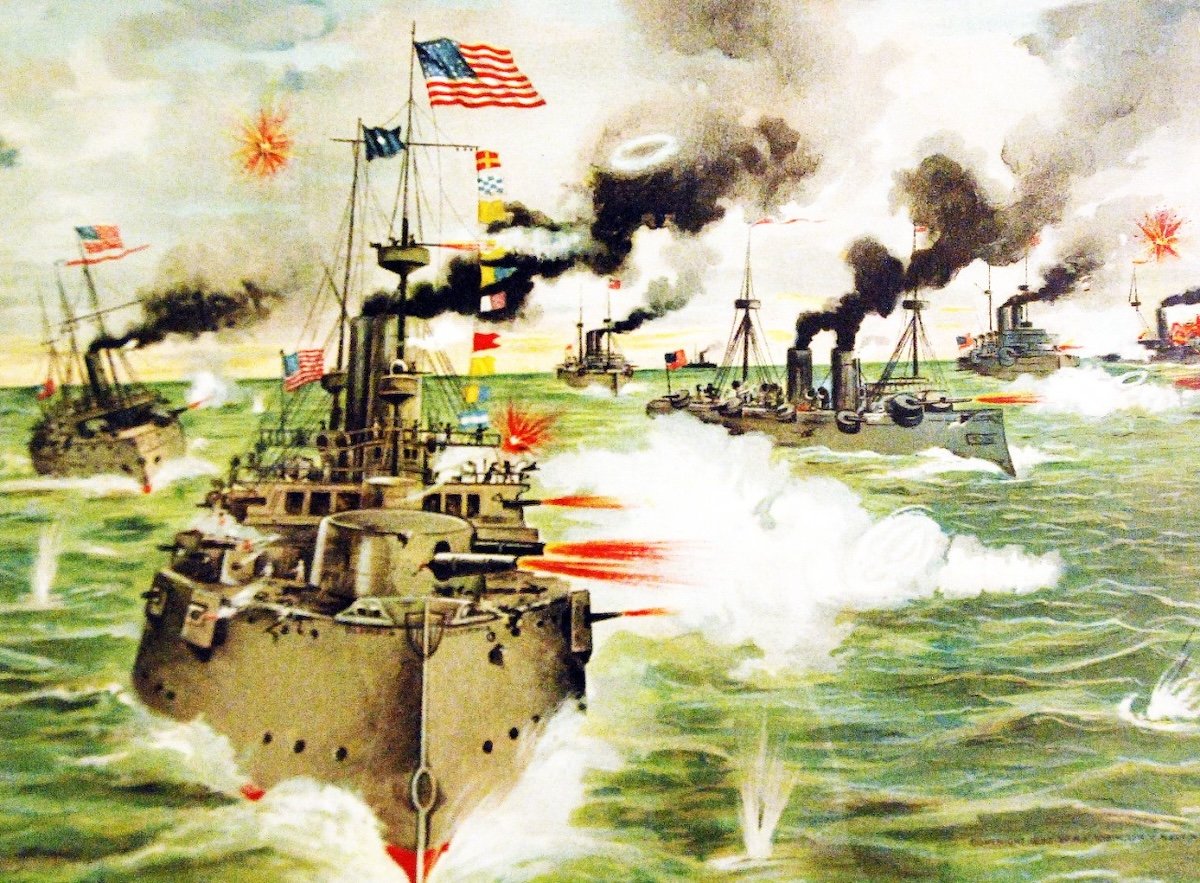
These cases, beginning in May 1901, followed the Spanish-American War, when the US acquired Guam, Puerto Rico, and the Philippines, adding 8 million people to its population. The court ruled that these territories were “unincorporated”—belonging to the US but not part of it—and thus not entitled to full constitutional rights. Chief Justice Melville Fuller, in dissent, warned they would exist “like a disembodied shade, in an intermediate state of ambiguous existence for an indefinite period.”
Racial Underpinnings of Exclusion
The Insular Cases were explicitly tied to race. Justice Henry Billings Brown wrote that if territories “are inhabited by alien races, differing from us in religion, customs, laws, methods of taxation, and modes of thought, the administration of government and justice according to Anglo-Saxon principles may for a time be impossible.” This reasoning justified denying voting rights to largely nonwhite populations.
In Congress, lawmakers created a new position for these territories: the resident commissioner. Unlike territorial delegates, who represented areas on a path to statehood, resident commissioners initially had no access to the House floor. Over time, they gained the right to debate but never to vote. Representative John Dalzell, a Republican from Pennsylvania, argued in 1900 that “the methods of government prescribed by the principles of Anglican liberty as practiced in the United States would be grotesque in the Philippine Islands.”
Today, Puerto Rico’s resident commissioner serves a four-year term—the only such term in Congress—and can introduce legislation, serve on committees, and speak on the floor, but cannot cast a final vote on bills. This is despite Puerto Rico having a larger population than over a dozen US states.
Legacy and Calls for Reform
The Insular Cases have faced growing criticism. Supreme Court Justice Neil M. Gorsuch wrote that they “have no foundation in the constitution and rest instead on racial stereotypes. They deserve no place in our law.” Legal scholars and activists have urged the court to overturn them, but so far without success.
Less attention has been paid to how this legacy shapes Congress today. Delegates from Guam, the US Virgin Islands, American Samoa, the Northern Mariana Islands, and Washington, DC, also serve without a vote. This disenfranchisement contrasts with the broader global trend toward self-determination, as seen in the post-war Gulf states rethinking security ties and deepening economic links with China.
The exclusion of territorial residents from full democratic participation remains a stark reminder of the Insular Cases’ enduring impact. As the US reflects on its democratic ideals, the question of whether these 3.6 million Americans will ever gain equal representation remains unresolved.