India's Supreme Court on Monday demanded that Prime Minister Narendra Modi's government and the Election Commission of India (ECI) provide clear answers over the removal of more than 130 million names from the country's voter rolls. The court's intervention came as an advocate warned that the country could face unrest unless the alleged purge is addressed.
Chief Justice Surya Kant, presiding over a hearing, stated unequivocally that the court had not approved the revised Form 6 used for new voter registrations, directly contradicting an ECI statement from last month that claimed judicial endorsement. “Modified Form 6 has not been approved by us, let us be very clear,” Kant said.
The court has called on the government, the ECI, and its chief, Gyanesh Kumar, to respond “in a clear, transparent manner” to the massive upheaval in the electoral rolls. The removals have triggered nationwide protests, led by student groups and the youth-oriented Cockroach Janta Party (CJP), whose members have faced derision from the chief justice earlier this year.
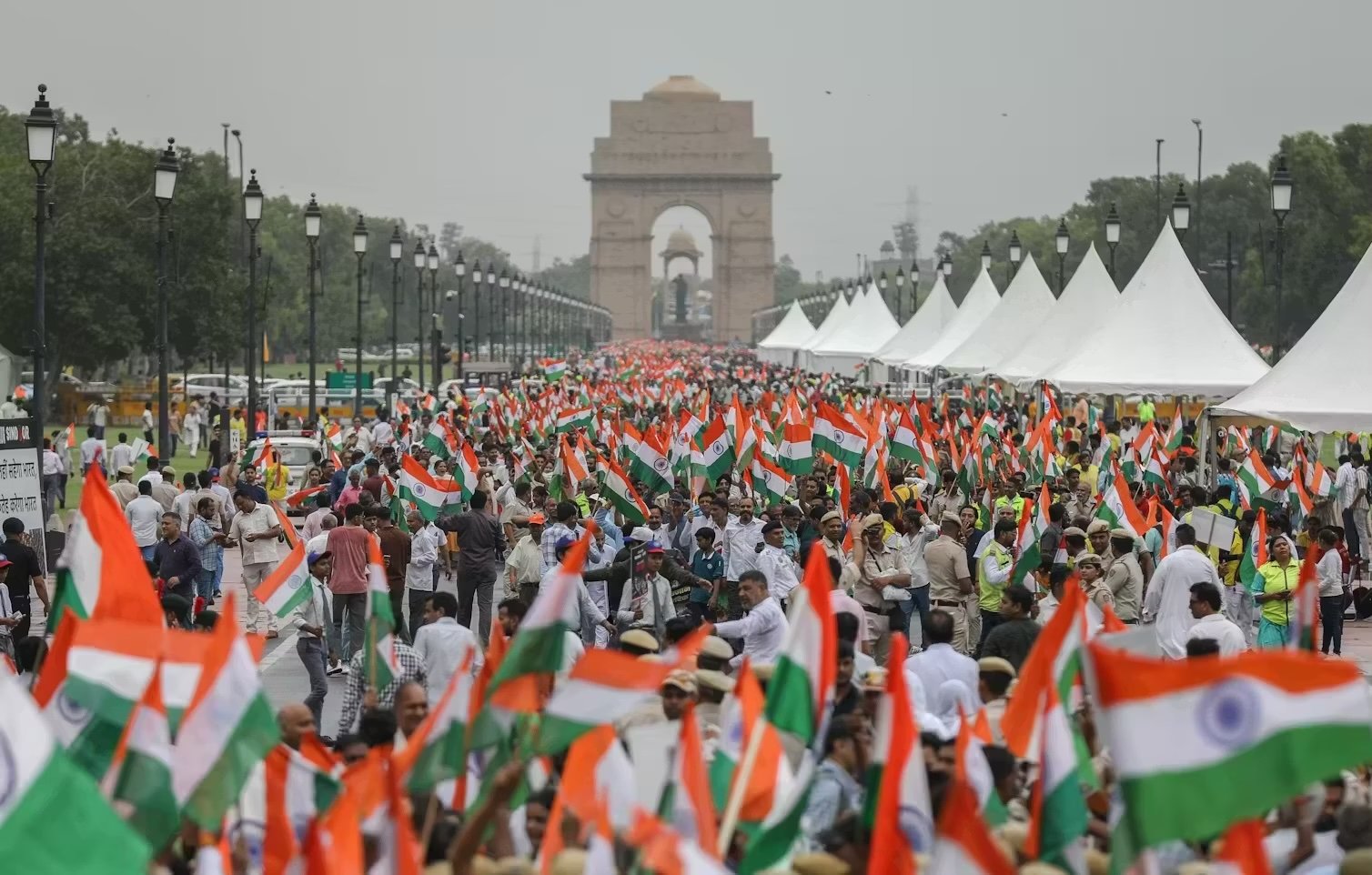
The CJP's website taunts Kumar with the phrase “Gyanesh, it's done, bro,” reflecting the movement's irreverent tone. Thousands have joined demonstrations, echoing the protests that forced the resignation of India's education minister over the summer. Last week, hundreds of protesters were detained, including journalists, drawing sharp criticism from Amnesty International, which condemned the government's “blatant attack on the rights to liberty and freedom of peaceful assembly.”
In New Delhi, police have been accused of using excessive force, with hundreds of people forcibly taken into custody. Authorities have said they are investigating reports that officers sexually assaulted three journalists during weekend protests.
Court questions ECI's 'purification' drive
The Supreme Court took up two petitions challenging the credibility of the ECI's “special intensive revision” (SIR) process, which the commission has described as an effort to “purify” the rolls. The court has sought an independent inquiry into Kumar's handling of the process, amid allegations that he made unilateral decisions without consulting the other two election commissioners.
Media reports last month indicated that the two other ECI commissioners had objected to the revision, which the government claims is aimed at removing duplicate entries, deceased persons, and “illegal infiltrators.” However, voters across Delhi, Bihar, and West Bengal have reported being wrongly struck off, and protesters allege the exercise disproportionately targets Muslim voters, who have historically opposed Modi's Bharatiya Janata Party.
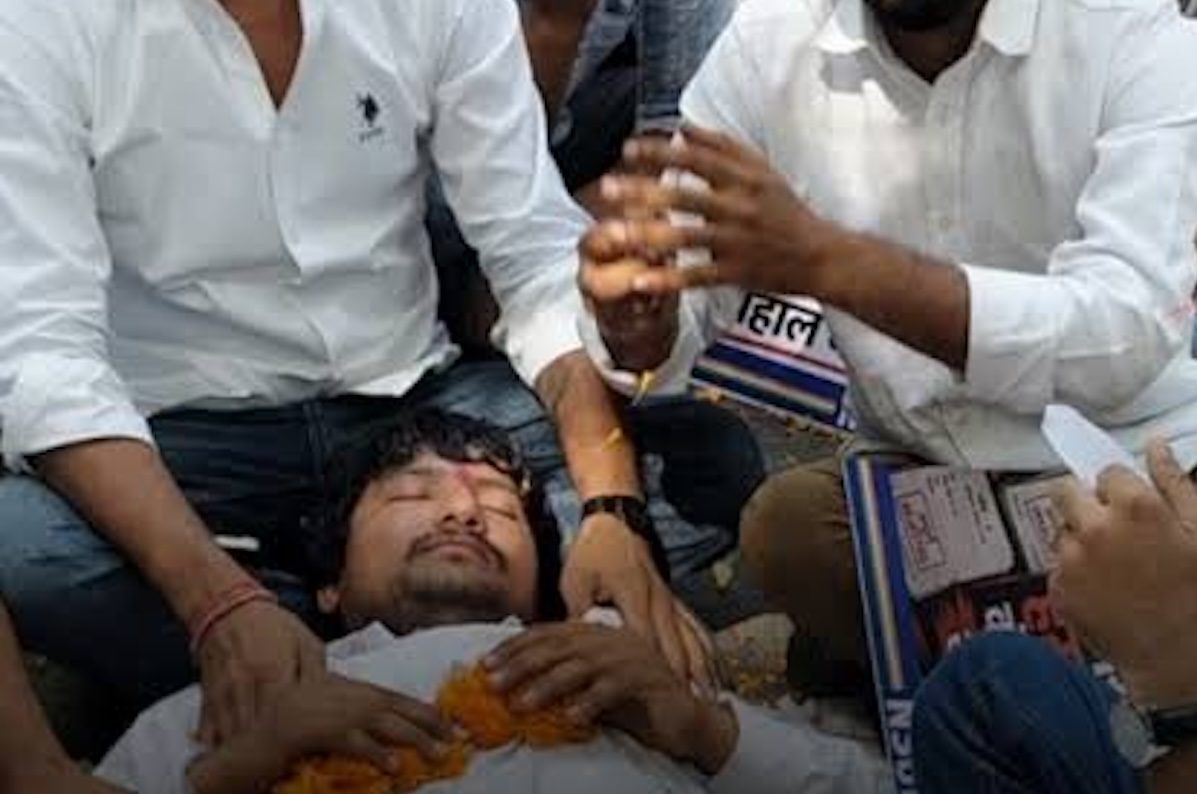
On Monday, demonstrators symbolically posed as dead people to highlight the absurdity of being removed from the rolls while still alive and eligible to vote. Menaka Guruswamy, a lawyer for one of the petitioners, told The Guardian: “Deletions of voters have been made in the largest democracy. We have grown up with free and fair elections, that is not the case now.”
The court has scheduled another hearing later this week, and the government and ECI are expected to respond to the allegations. The controversy comes at a time when India's democratic institutions are under intense scrutiny, both domestically and internationally. The outcome of this case could have significant implications for the credibility of India's electoral process, which is the world's largest.
As the situation unfolds, observers are watching closely to see whether the Supreme Court's intervention will lead to a transparent review of the voter roll changes, or whether the government will continue to defend the process as necessary for electoral integrity. The protests, which have drawn comparisons to the youth-led movement that ousted the education minister, show no signs of abating.
Meanwhile, the broader regional context remains complex, with India's democratic health being a key factor in its international standing. The court's demand for accountability is a significant step, but the coming weeks will determine whether it translates into concrete action.