It has been one year since a brief but intense conflict between India and Pakistan raised fears of a nuclear escalation in South Asia. While the ceasefire brokered by the Trump administration on May 10, 2024, has held, the underlying tensions have only deepened, reshaping diplomatic relationships and military strategies across the region.
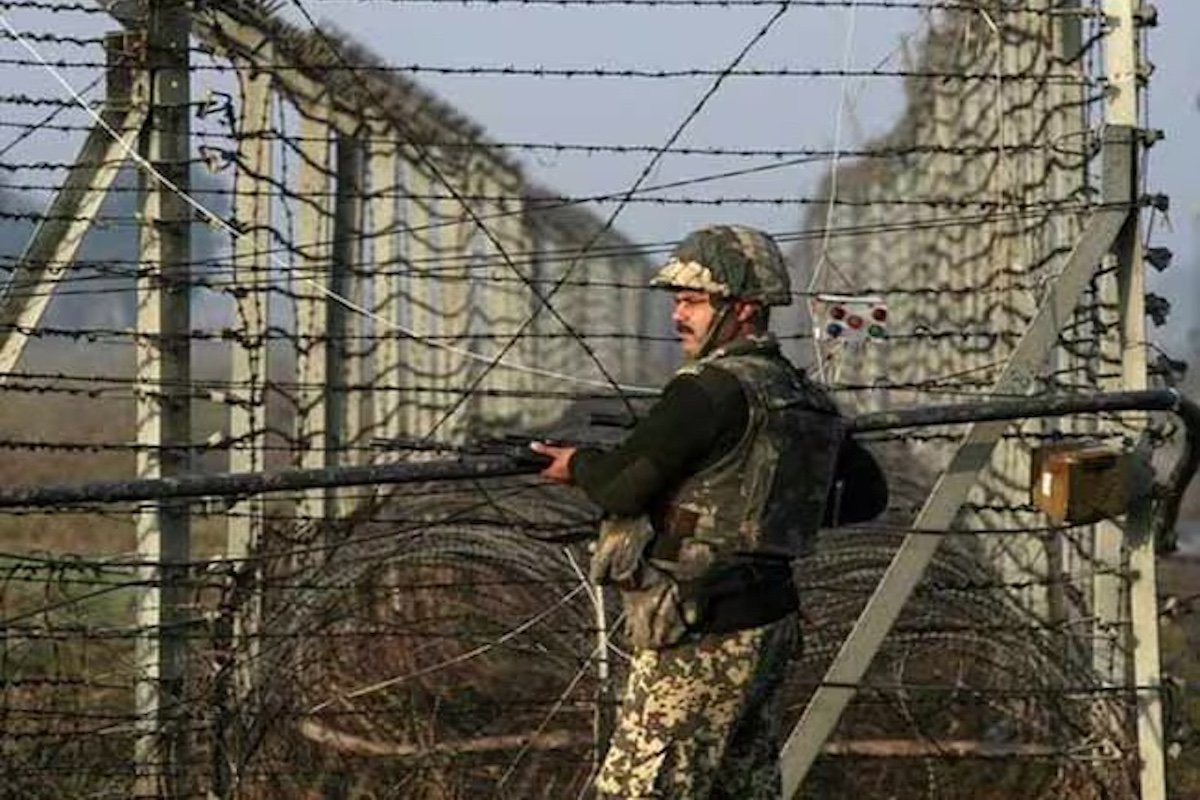
The war erupted in early May 2024 after a terrorist attack in Pahalgam, Indian-administered Kashmir, killed 26 civilians. India blamed the Pakistan-based militant group Lashkar-e-Taiba, a charge Islamabad denied. In response, New Delhi launched Operation Sindoor on May 7, targeting alleged militant strongholds inside Pakistan. Islamabad retaliated with Operation Bunyan-un-Marsoos, and for four days, the two nuclear-armed neighbors exchanged fire using cruise missiles, short-range ballistic missiles, and drones. The conflict ended with a ceasefire announced by the United States, a move that irritated India but led Pakistan to nominate then-President Donald Trump for the Nobel Peace Prize.
Political Fallout and Military Ascendancy
In Pakistan, the war propelled the military back into the political mainstream. Chief of Army Staff Syed Asim Munir was elevated to field marshal and later became the country's first chief of defense forces. His influence has since grown, particularly through close ties with Trump and a role in US-Iran negotiations. The conflict also deepened Pakistan's operational cooperation with China and Turkey, using Chinese-built fighter jets and missiles, Turkish-made drones, and Chinese satellite intelligence.
In India, Prime Minister Narendra Modi's government hailed Operation Sindoor as a demonstration of decisive foreign policy. However, the attack in Kashmir reignited questions about New Delhi's claims of normalcy in the region following the 2019 revocation of Kashmir's statehood. Security operations in the Kashmir valley shut down tourist sites, leading to a sharp decline in visitors and harming local businesses. Human rights experts also raised alarms over security operations targeting civilians.
The war highlighted a shift in Pakistan's diplomatic fortunes. Islamabad signed a new deal with the Trump administration to develop its oil reserves and a defense pact with Saudi Arabia, a key US ally. This awkwardly undercut India's decade-long effort to isolate Pakistan diplomatically. Meanwhile, Modi's once-close relationship with Trump deteriorated over US tariffs and India's purchase of Russian oil. His ill-timed visit to Israel and India's limited influence in the US-Iran conflict raised questions about New Delhi's role as a regional leader, exposing the limits of its strategy of balancing strategic partnerships.
India has since dispatched delegations of MPs and former diplomats to more than 30 countries to argue its case, but these efforts have done little to convince the international community that Pakistan was the aggressor. The shifting geopolitics have also narrowed the space for dialogue. India has suspended a major water-sharing treaty until Pakistan takes steps to end support for terrorism, leaving water security unresolved. Pakistan has warned that any future Indian attack would trigger consequences that are not geographically confined or strategically palatable for India.
The broader regional dynamics are also shifting. The conflict has accelerated Southeast Asia's strategic recalibration away from the United States, as noted in our analysis of the Iran conflict's impact on the region. Meanwhile, China's dual role as an economic lifeline and diplomatic broker in the Iran conflict underscores Beijing's growing influence in South Asia, as explored in our recent piece.
One year on, the political rhetoric on both sides remains charged. Both India and Pakistan have signaled a resolve for further escalation in future conflicts. The ceasefire holds for now, but the conflict continues unabated, with alarmingly low levels of trust and no meaningful dialogue in sight.