Three months after taking office, Bangladeshi Prime Minister Tarique Rahman has not yet embarked on an official foreign trip. For a leader who spent 17 years in London exile before winning a landslide election, this restraint is itself a diplomatic signal. His first destination will carry outsized weight for a nation of 170 million situated at the crossroads of competing great-power orbits.
Invitations have arrived from China, India, Pakistan, and Gulf states. But the real contest has narrowed to Beijing and New Delhi, playing out in hotel lobbies, foreign ministry corridors, and carefully worded press releases for months.
Why the US and Pakistan Are Off the Table
The United States has effectively ruled itself out. Since January 1, 2026, Trump-era travel restrictions impose a visa bond regime on Bangladeshi nationals, requiring additional financial guarantees and heightened scrutiny. More critically, reports indicate that Rahman faces an unresolved FBI-related travel restriction, making a Washington visit legally uncertain. No Bangladeshi head of state can make the US his first foreign destination when his own entry is questionable and his citizens are treated as a security concern.
Pakistan, despite Islamabad's enthusiasm, was never a serious contender. Prime Minister Shehbaz Sharif called Rahman with congratulations, and a senior minister attended the swearing-in. Relations have warmed since Sheikh Hasina's ouster—direct flights resumed, military exchanges increased, and Bangladeshi bureaucrats are training at Pakistan's Civil Services Academy in Lahore for the first time since 1971. Yet the 1971 Liberation War remains a founding trauma in Bangladesh, where Pakistani forces killed hundreds of thousands. Visiting Islamabad first would be read domestically as an insult to that memory, not as smart hedging.
The China-India Contest
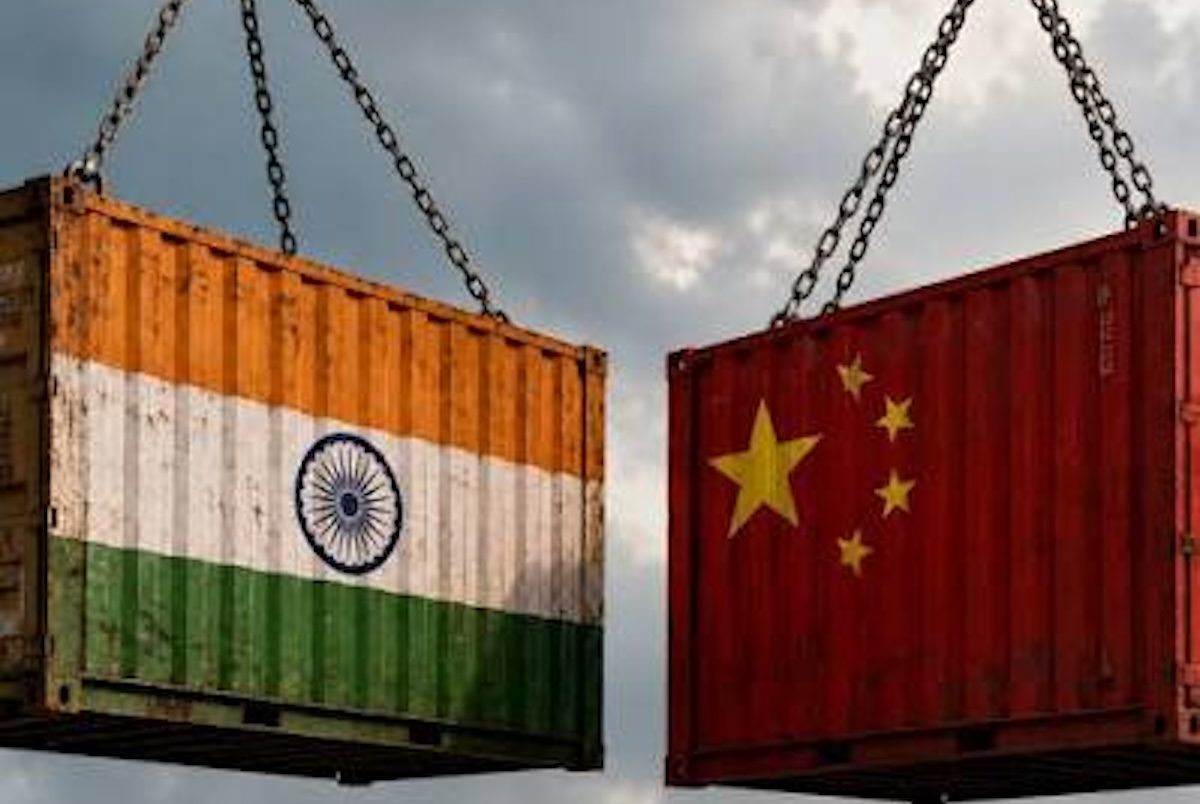
China has been the more aggressive suitor. Within days of Rahman's inauguration, Beijing's ambassador hand-delivered a personal invitation from President Xi Jinping and Premier Li Qiang. Since then, BNP delegations have visited Beijing, Foreign Minister Khalilur Rahman traveled in early May, and a joint statement was issued. Reports indicate China seeks to host Rahman in late June. Foreign Minister Khalilur Rahman confirmed to reporters that China is being prioritized. Sources close to both the BNP and the Chinese embassy say June is now almost certain.
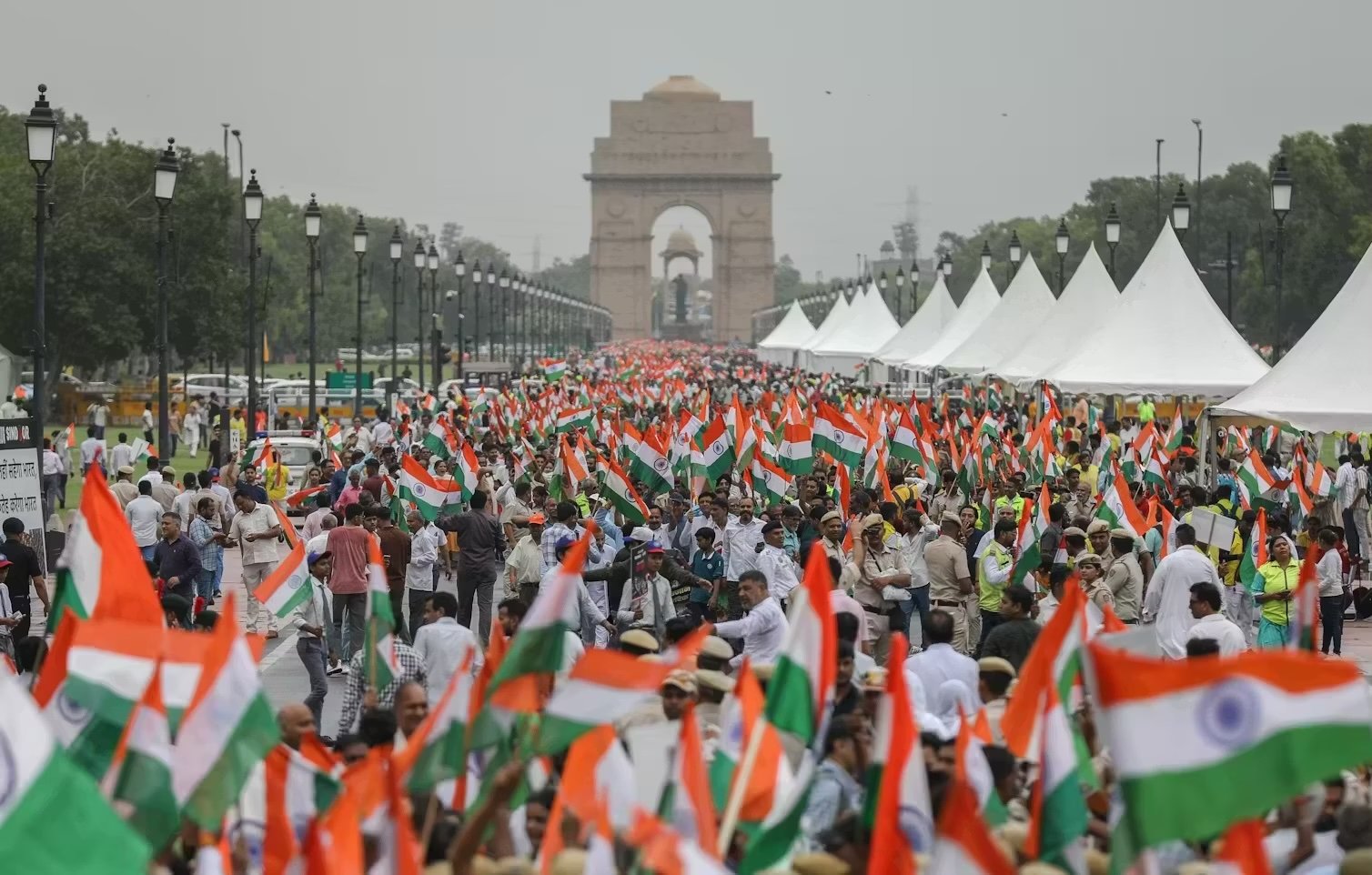
India moved quickly too. Prime Minister Narendra Modi sent a warm personal letter through Lok Sabha Speaker Om Birla on inauguration day, inviting Rahman and his family to New Delhi. Bangladesh's foreign minister visited Delhi in April, meeting External Affairs Minister S. Jaishankar and National Security Advisor Ajit Doval, describing the atmosphere as one of convergence. He returned publicly optimistic, confirming a Modi-Rahman summit would happen—just without fixed dates.
But warmth and readiness are different things. India is not ready. The obstacle is former Prime Minister Sheikh Hasina, who sits in Delhi, convicted to death by a Bangladeshi tribunal, with Dhaka formally demanding her extradition under an existing treaty. India has not responded substantively. It is difficult to imagine Rahman sitting across from Modi for a state dinner while his government publicly seeks the extradition of the woman India sheltered—whose fall was partly blamed on Indian backing. Until there is a framework for addressing the Hasina question, a full summit carries too much domestic political risk for Dhaka.
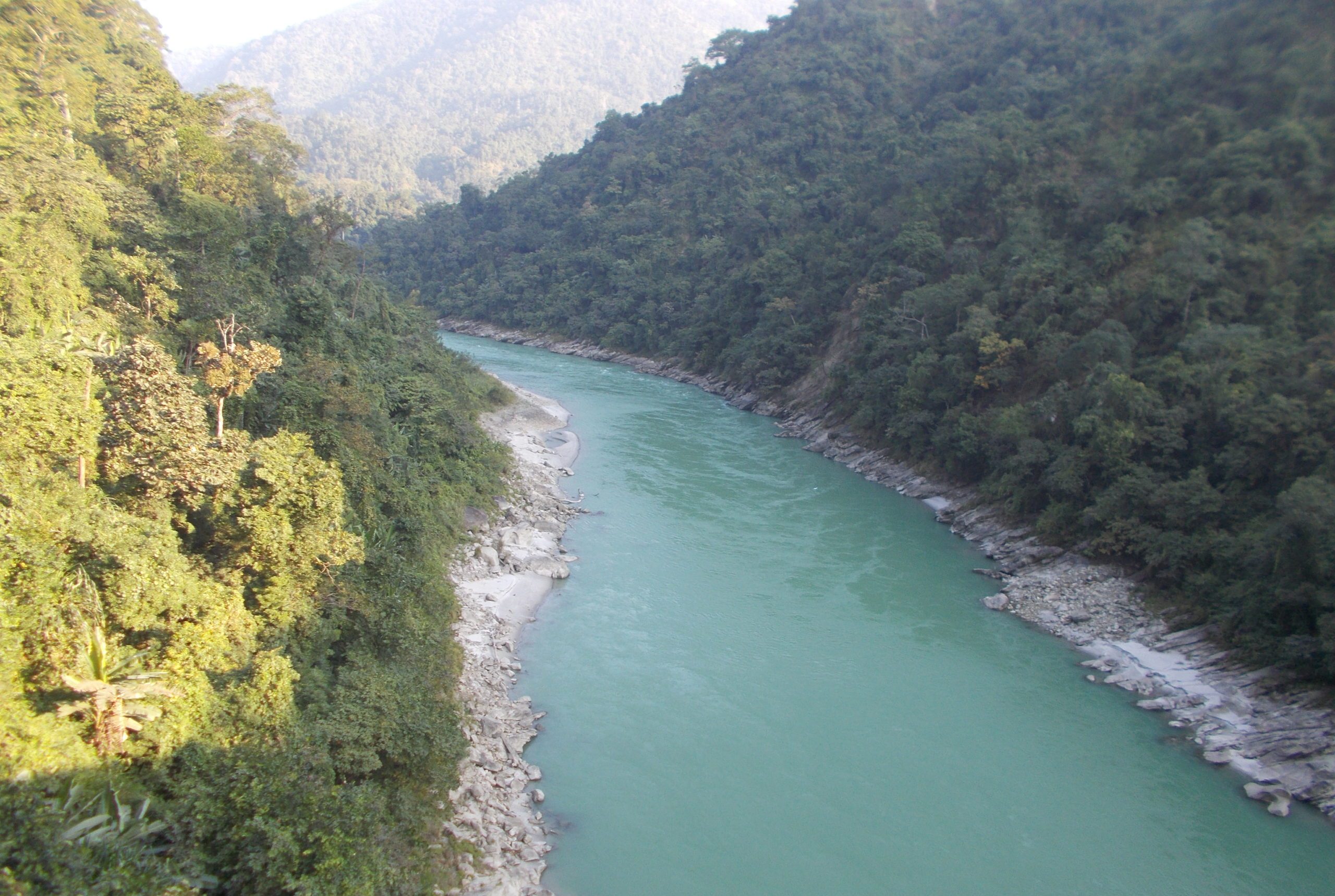
There is also the Teesta River water-sharing agreement. For over a decade, India promised Bangladesh a deal but failed to deliver, blocked by West Bengal's Mamata Banerjee. That obstacle has shifted now that the BJP governs Bengal. But in the intervening years, Bangladesh turned to China—and China said yes. Dhaka has formally sought Chinese funding and technical support for the Teesta River Comprehensive Management and Restoration Project, a billion-dollar scheme to dredge and rehabilitate over a hundred kilometers of a river millions depend on. If Rahman visits Beijing in June, a formal announcement on Teesta is widely expected.
This is alarming for India. The Teesta project sits near the Siliguri Corridor—the famous “Chicken’s Neck,” a strip of land barely twenty-two kilometers wide connecting India's mainland to its entire northeast. Indian security analysts have warned for years that even a civilian Chinese technical presence there could give Beijing strategic leverage. For more on this dynamic, see our analysis of India and Bangladesh's strained ties.
Rahman's first trip will not just be a photo opportunity. It will signal whether Bangladesh, under new leadership, leans toward Beijing's infrastructure-driven engagement or seeks to repair ties with Delhi despite the Hasina impasse. The choice will reshape South Asia's diplomatic landscape.