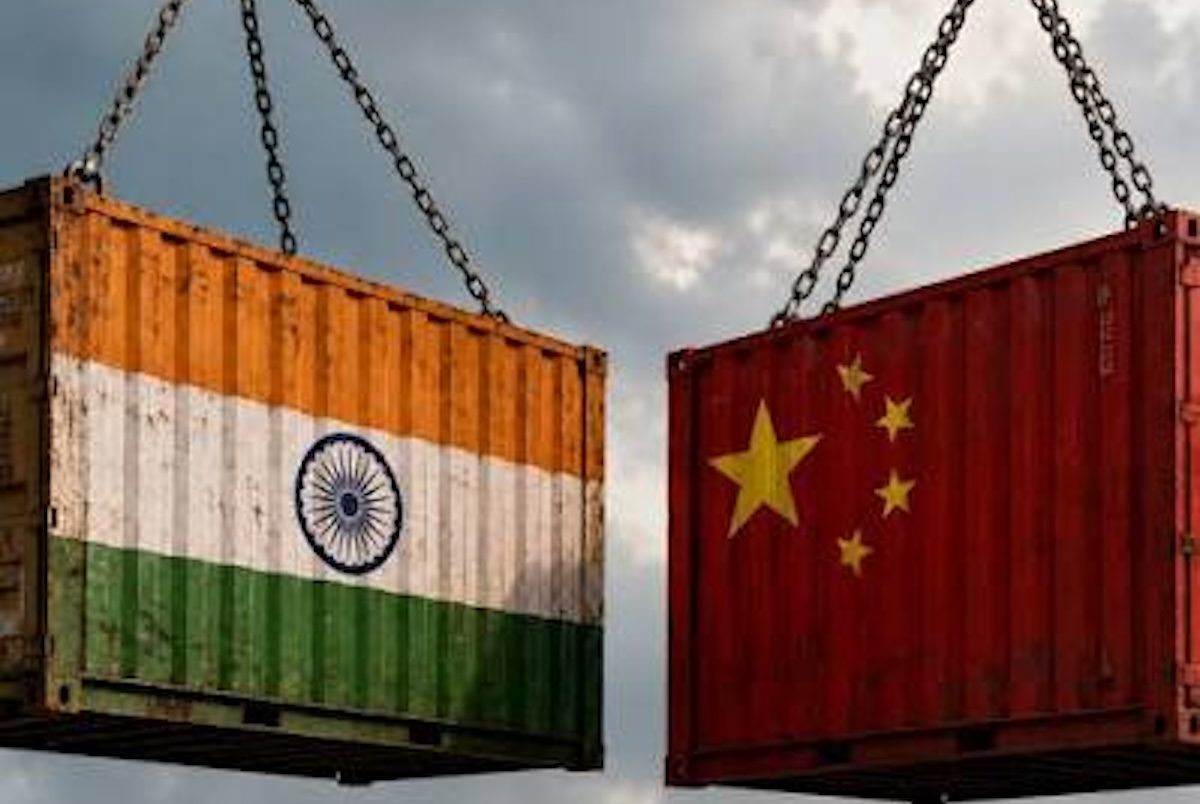
India's drive to achieve developed-economy status by 2047—the centenary of its independence—has elevated reliable access to overseas markets into a strategic necessity. Yet a series of crises in West Asia, from the Gaza war and Red Sea disruptions to tensions around the Strait of Hormuz, have laid bare an uncomfortable truth: connectivity is never purely an engineering challenge; it is fundamentally a function of geopolitics.
For a nation investing heavily in flagship projects such as the India-Middle East-Europe Corridor (IMEC), the Chabahar port in Iran, and the International North-South Transport Corridor (INSTC), the question is no longer simply how to build infrastructure but how to ensure it can withstand political shocks. These developments offer sharp lessons on the limits of connectivity planning in an increasingly fragmented global environment and raise a pressing question: what options does New Delhi have to secure reliable market access and build resilience into its trade architecture?
The Geopolitical Vulnerability of Corridors
A major lesson from recent events is that no corridor is geopolitically immune. IMEC, announced with great fanfare in 2023, saw its political foundations shaken within weeks by the outbreak of the Gaza conflict. Shipping through the Strait of Hormuz and the Red Sea has faced persistent attacks and costly rerouting, demonstrating that geopolitical risk can derail even the most promising projects overnight.
India's connectivity problem is fundamentally geopolitical, not one of engineering. The country does not lack the technical ability to build ports, roads, or logistics systems, nor the capital to participate in such ventures. Beyond the immediate Hormuz challenge, India's most direct routes to Eurasia pass through regions marked by rivalry, sanctions, conflict, or intense strategic competition. Pakistan blocks direct access to Afghanistan and Central Asia, while China's growing influence stretches across much of Eurasia. As we have noted in our analysis of US-India ties, diplomatic alignments remain crucial.
India's search for reliable trade corridors is inseparable from its search for diplomatic space. In an era of geopolitical fragmentation, resilience lies not in a single flagship route but in maintaining varied pathways to markets. India, therefore, needs multiple corridors—IMEC for Europe and the Mediterranean, and Chabahar and INSTC for Central Asia and Russia—more than ever.
The assumption that economic logic alone drives connectivity has been proven wrong. Pakistan has blocked transit access to India despite clear economic gains; Iran sanctions have affected Chabahar's development and viability; and regional rivalries have complicated IMEC. The lesson is that corridors succeed only when political alignments support them.
Lessons for Middle Powers
Middle powers cannot afford to outsource strategic risk. For decades, many Gulf states assumed that major powers such as the United States would guarantee the security of global trade routes. Recent events have demonstrated the limits of that assumption. Great powers get distracted; their priorities shift, and critical shipping lanes can become hostages to geopolitical rivalries. India must therefore strengthen its own maritime capabilities through greater naval reach, enhanced maritime domain awareness, and more resilient logistics networks. The development of India's Great Nicobar base is one step in this direction.
The Gulf has become indispensable to India's economic strategy, and is no longer merely an energy supplier. Countries such as the UAE, Saudi Arabia, Oman, and Qatar are increasingly becoming investment partners, logistics hubs, technology collaborators, and connectivity nodes. This shift underscores the need for a diversified approach.
From Lessons to Options
These developments suggest that India's challenge is not merely to identify the right corridor but to build a diversified connectivity architecture capable of withstanding geopolitical shocks. The question is not whether India should choose between IMEC, Chabahar, or INSTC, but how to balance these initiatives while strengthening its economic foundations.
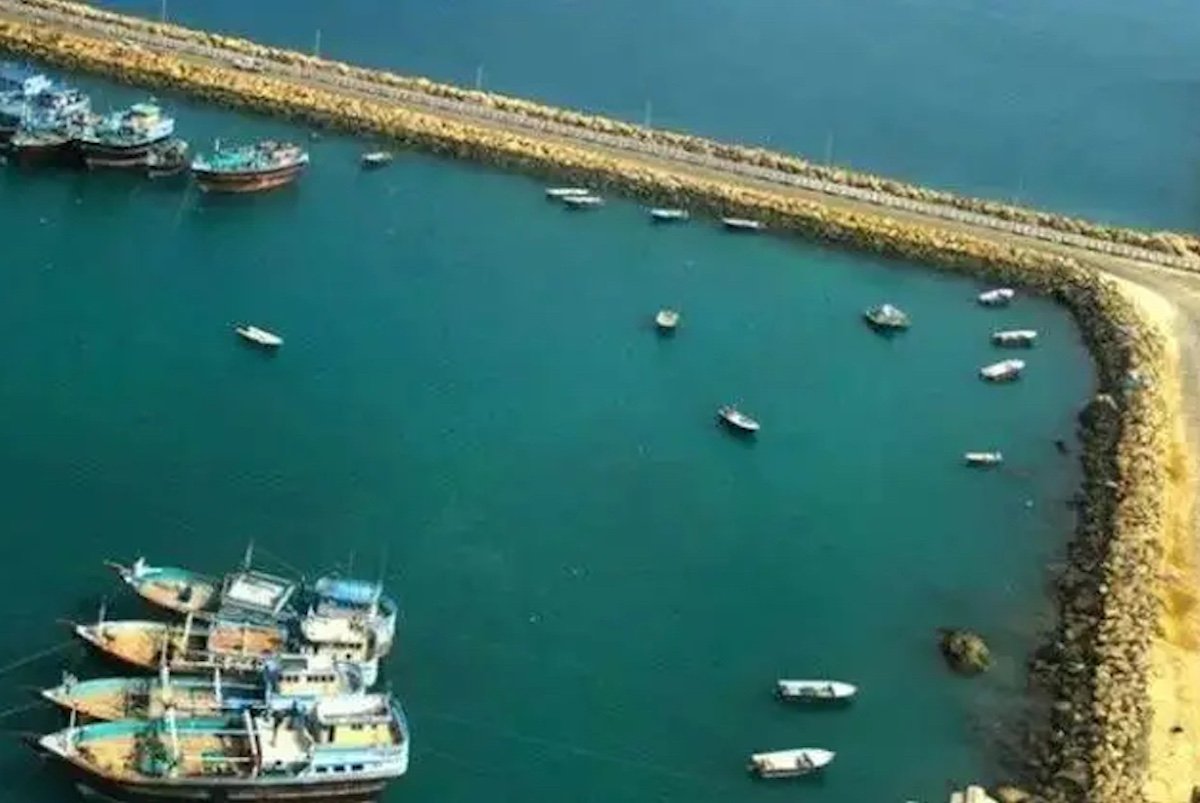
India's most realistic near-term option is to double down on Chabahar and INSTC. Despite sanctions risks and delays, both corridors already exist in some form. India can expand cargo volumes through Chabahar, invest in logistics, customs integration, and digital tracking, work with Iran, Russia, Azerbaijan, and Central Asian states on missing links, and target specific sectors such as pharmaceuticals, engineering goods, and agricultural exports. The downside is that India has limited control over Iran-Russia dynamics and Western sanctions. Iran is more important than many Indians appreciate. Many discussions treat Chabahar as merely a port project, but, in reality, Iran occupies a unique position, connecting the Gulf, Central Asia, the Caucasus, and Russia. Sitting astride key energy routes, Iran provides India with its only viable land bridge to Afghanistan and Central Asia that bypasses Pakistan. For India, Iran is not merely another bilateral relationship—it is a gateway geography.
Alternatively, India could increasingly prioritize IMEC. Gulf countries are financially stronger than Iran, India's relations with the UAE and Saudi Arabia are sound, and European participation brings capital and technology while avoiding sanctions-related complications. The challenge is that IMEC depends on regional political stability, particularly involving Israel and the broader Middle East. India can influence IMEC, but cannot build it alone.
Historically, India's greatest strategic advantage has been maritime rather than overland. Expanding ports on both coasts and strengthening links with the UAE, Saudi Arabia, Oman, East Africa, and Southeast Asia would build on that natural strength. India's Mundra Port, Jawaharlal Nehru Port, and Vizhinjam International Seaport can serve as anchors for shipping partnerships and transshipment hubs, avoiding many continental geopolitical obstacles. While dedicated undersea pipelines remain economically and technically challenging, India can pursue long-term energy security with countries such as the UAE, Saudi Arabia, and Oman.