India's military modernization is hitting a familiar wall: money is being approved, but aircraft are not arriving. On October 26, the Defence Acquisition Council, chaired by Defense Minister Rajnath Singh, gave in-principle approval to proposals worth about 2.12 trillion rupees (US$22 billion) across the armed forces. The package includes helicopters, air-defense systems, surveillance gear, and weapons, with roughly 82% earmarked for Indian industry.
These approvals, however, are not contracts or expenditures. They signal intent, not capability. The real test lies in whether India's aerospace sector can deliver on programs already on the books. Two ongoing projects illustrate the gap between ambition and execution.
The C295 transport: a promising start, but not yet delivered
The Tata Advanced Systems-Airbus C295 program was meant to showcase India's shift from buying foreign aircraft to building them domestically. Signed in September 2021 for 21,935 crore rupees ($2.3 billion), the deal covers 56 transport planes. Sixteen were delivered from Spain, while the remaining 40 were to be assembled in India. The final assembly line in Vadodara, inaugurated in October 2024, became a centerpiece of the government's 'Make in India' initiative.
The first Indian-assembled C295 rolled out in May this year and made its maiden flight on June 10. But its expected September delivery slipped after technical issues emerged during production testing. Air Chief Marshal A.P. Singh said in October that fixing them could take another one to two months. As of late October 2026, five years after the contract was signed, the Indian Air Force had not received a single Indian-built C295.
The program has real achievements: a domestic assembly line, a growing supplier network, and a foundation for future aerospace work. But finishing an aircraft, conducting a maiden flight, winning formal acceptance, and entering operational service are separate milestones. The C295 shows that licensed manufacturing can work, but certification and delivery remain bottlenecks.
Tejas Mk-1A: integration troubles deepen the delay
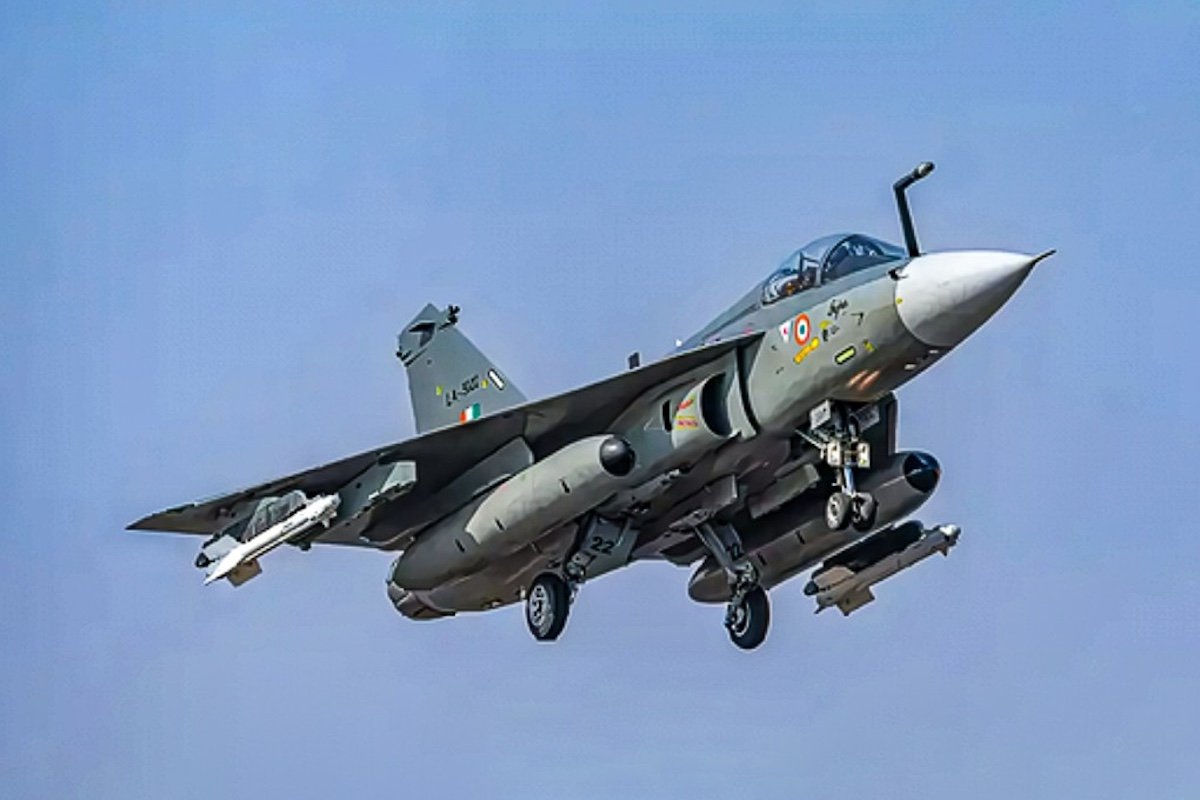
The Tejas Mk-1A program is more consequential and more troubled. In February 2021, India ordered 83 jets—73 single-seat fighters and 10 trainers—for about 46,898 crore rupees ($4.94 billion), with deliveries due to begin in March 2024. By October this year, the Indian Air Force had not received a single one.
The delays go beyond manufacturing. GE Aerospace's F404 engine deliveries have fallen behind schedule, while radar integration, software validation, and weapons certification have stalled. By October 7, GE had shipped 14 engines. Hindustan Aeronautics reported 27 airframes ready in September, but unresolved integration and testing issues held up handovers. An earlier order for 40 Tejas Mk-1 aircraft was completed only in September, nearly a decade after its contractual deadline.
The contrast with the C295 is telling. The C295 tests India's ability to run licensed production and coordinate suppliers. The Tejas adds the complexity of integrating engines, sensors, weapons, and software in a modern combat aircraft. Domestic assembly does not automatically mean technological independence or operational readiness.
These delays come at a costly moment. India's fighter fleet has shrunk to about 29 squadrons, against an authorized strength of 42.5. China's expanding aerospace capabilities and Pakistan's ongoing fighter modernization put pressure on India's air-power planners, especially as older aircraft approach retirement. The gap is not just about numbers; it is about the credibility of India's defense industrial base.
The Kaveri engine program shows how deep the problem runs. Decades of research have produced prototypes and technical advances, but not yet an engine capable of powering the operational Tejas fleet. This dependence on foreign suppliers, particularly for engines, remains a strategic vulnerability.
Fixing these issues will require more than new procurement announcements. Contracts need measurable milestones for component supply, systems integration, certification, and military acceptance. Agreements with foreign suppliers must include enforceable delivery commitments, realistic schedules, and backup plans for disruptions. Regular public reports should separate aircraft assembled, aircraft in testing, aircraft accepted by the air force, and aircraft in operational service, so policymakers can identify bottlenecks rather than treat production announcements as proof of readiness.
Manufacturers, foreign suppliers, certification authorities, and military users need to coordinate more closely. Penalties alone cannot fix engineering or integration failures. India's growing supplier base and aerospace infrastructure give it a foundation for greater self-reliance, but their strategic value depends on consistently delivering certified aircraft and critical components.
The October 26 approvals address genuine military needs. Whether they produce dependable capability will depend on whether India's procurement institutions can move beyond announcements and enforce performance. As regional security pressures mount, India cannot afford to let its fighter jet shortfall persist. The growing defense ties with the Philippines and other partners underscore the need for credible air power. But without timely deliveries, India's modernization drive risks being more about paper than planes.