Observers in New Delhi have grown increasingly anxious about the trajectory of US-India relations, with some commentators calling it the rockiest period in decades. Yet a closer look reveals a relationship that, while facing tactical disagreements, remains strategically sound.
Signals of Commitment
US Ambassador Sergio Gor, who chose India over other prestigious postings, enjoys direct access to President Donald Trump—a privilege few ambassadors hold. His presence signals Washington's continued investment in the bilateral partnership. Secretary of State Marco Rubio's visit last month, his first major trip to the region, underscores the administration's prioritization of New Delhi. Rubio, who also serves as National Security Advisor, is arguably the most influential US diplomat in years.
Military cooperation remains robust. The two countries conduct regular joint exercises, India has become a maintenance hub for the US Navy in the Indian Ocean, and arms sales continue at a healthy pace. India also receives preferential treatment on technology exports, though room for improvement exists.
Trade Friction in Context
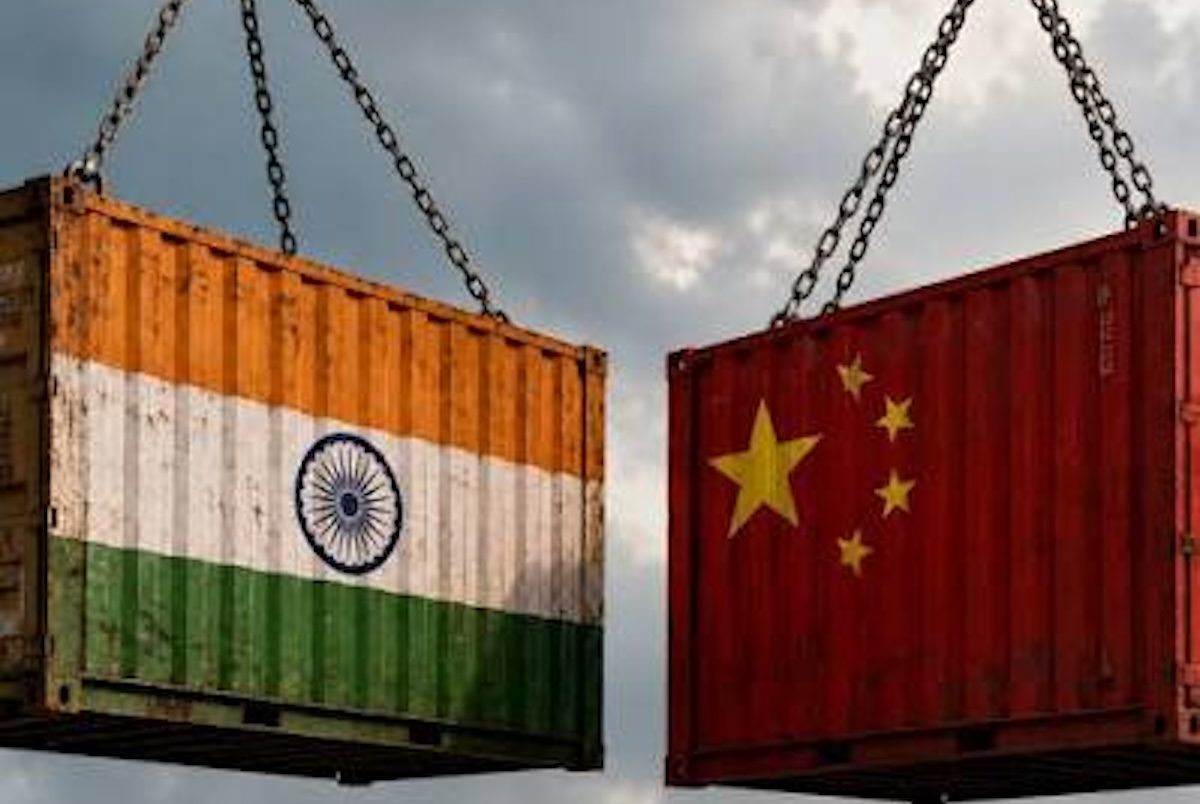
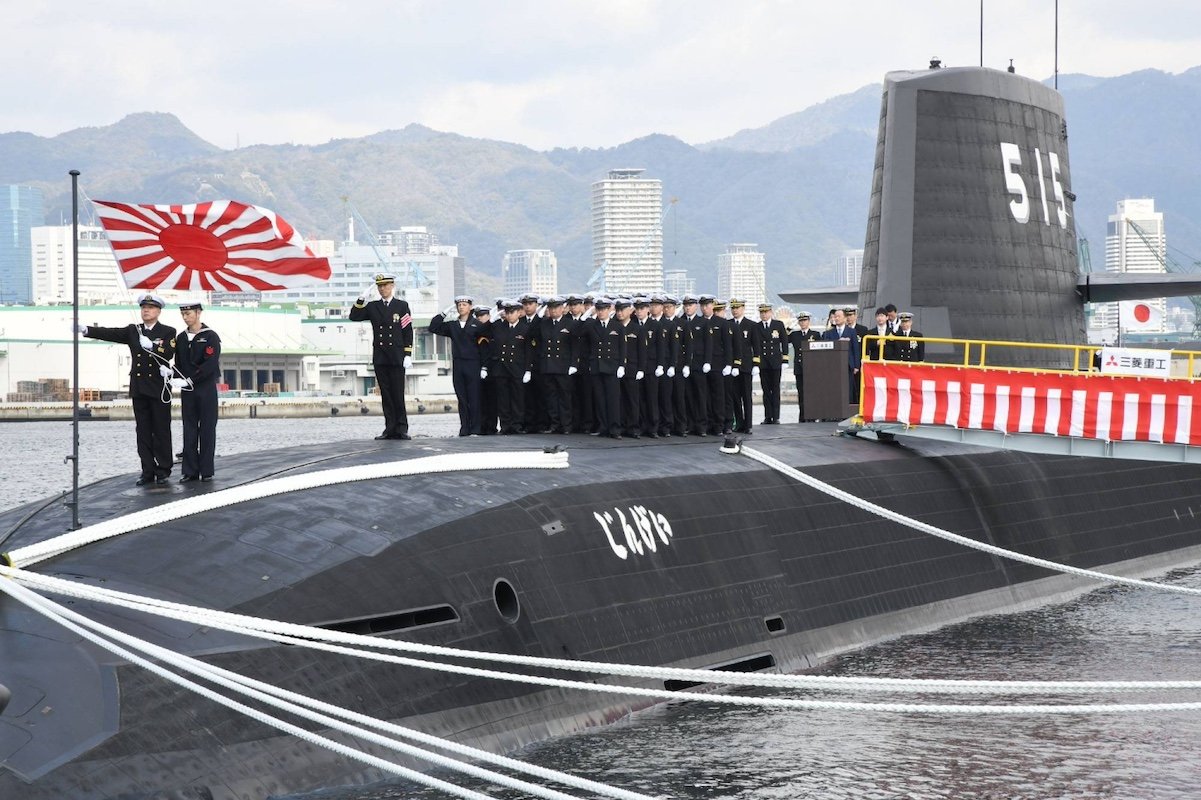
While India has expressed frustration over US tariff policies, these tensions are not unique. Japan, a 70-year treaty ally with deep economic and military ties, faced similar measures but chose strategic restraint over public grievance. Tokyo's approach—biting its tongue for the sake of broader interests—offers a lesson in statesmanship. A bilateral trade deal is under negotiation, which could alleviate some of the shock from blanket tariffs.
India's resentment is understandable, but it should be weighed against the relationship's long-term value. As the world navigates a contest between democratic governance and authoritarian expansion—primarily from China—New Delhi and Washington share fundamental strategic alignment. India recognized the China threat long before the US did, and both nations stand as counterweights to Beijing's ambitions.
Addressing Indian Concerns
Some Indian analysts worry that Trump may be too transactional or even willing to accommodate China. Yet Trump's maneuvering room is constrained by US dependence on Chinese critical minerals and pharmaceuticals. The president harbors no illusions about the People's Republic as a rival, and Xi Jinping's government remains deeply unhappy with US policies. Transactionalism, in any case, is not unique to Trump—every leader, including Prime Minister Narendra Modi, expects reciprocal benefits.
On Pakistan, India's irritation is justified. Islamabad has played a double game in Afghanistan, remains close to China, and continues to sponsor terrorism against India. But the US-Pakistan relationship has been a persistent irritant for decades, even as US-India ties improved. A parallel can be drawn with India's own ties to Russia, which similarly frustrate Washington.
The concept of 'strategic autonomy' is often invoked by New Delhi to avoid difficult choices. Japan uses its constitution in a similar way. True strategic autonomy, however, requires making oneself useful—especially to an administration that values tangible contributions.
Opportunities for India
India has a powerful selling point: it is serious about its own defense and willing to fight for it. This passes a litmus test for the Trump administration that few other countries meet. New Delhi should remind Washington of this repeatedly.
In the Indian Ocean, the US is belatedly paying attention, particularly after Britain's attempt to hand over Diego Garcia to Mauritius. India could offer basing and access options, perhaps securing US funding for port refurbishments. Such moves would deepen the partnership while advancing India's own strategic interests.
For a deeper look at India's strategic posture, see India's Great Nicobar Base Challenges China's Malacca Strait Dependence. On trade negotiations, read India Should Approach US Trade Deal with Caution Amid Coercive Tactics.