Even as American and Indian negotiators sat across the table in New Delhi this week to discuss an interim trade agreement, Washington simultaneously announced additional Section 301 tariff proposals targeting India and 60 other economies. The timing was no coincidence.
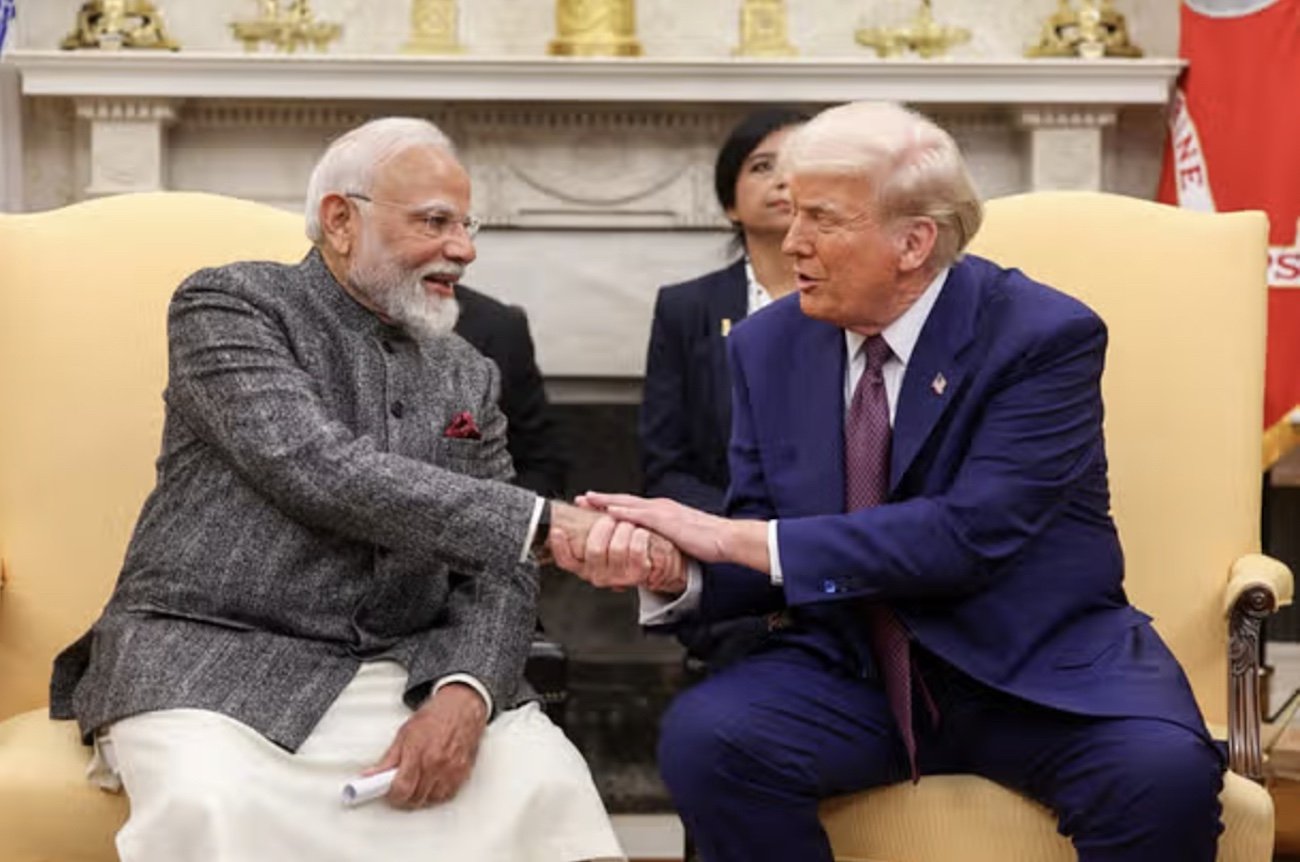
This dual-track approach reveals the core of Donald Trump's trade doctrine: negotiate quickly, concede selectively, and retain escalation dominance throughout. Trump may call Prime Minister Narendra Modi a “good friend,” but the United States is increasingly behaving less like a strategic partner and more like a landlord collecting rent from its tenants.
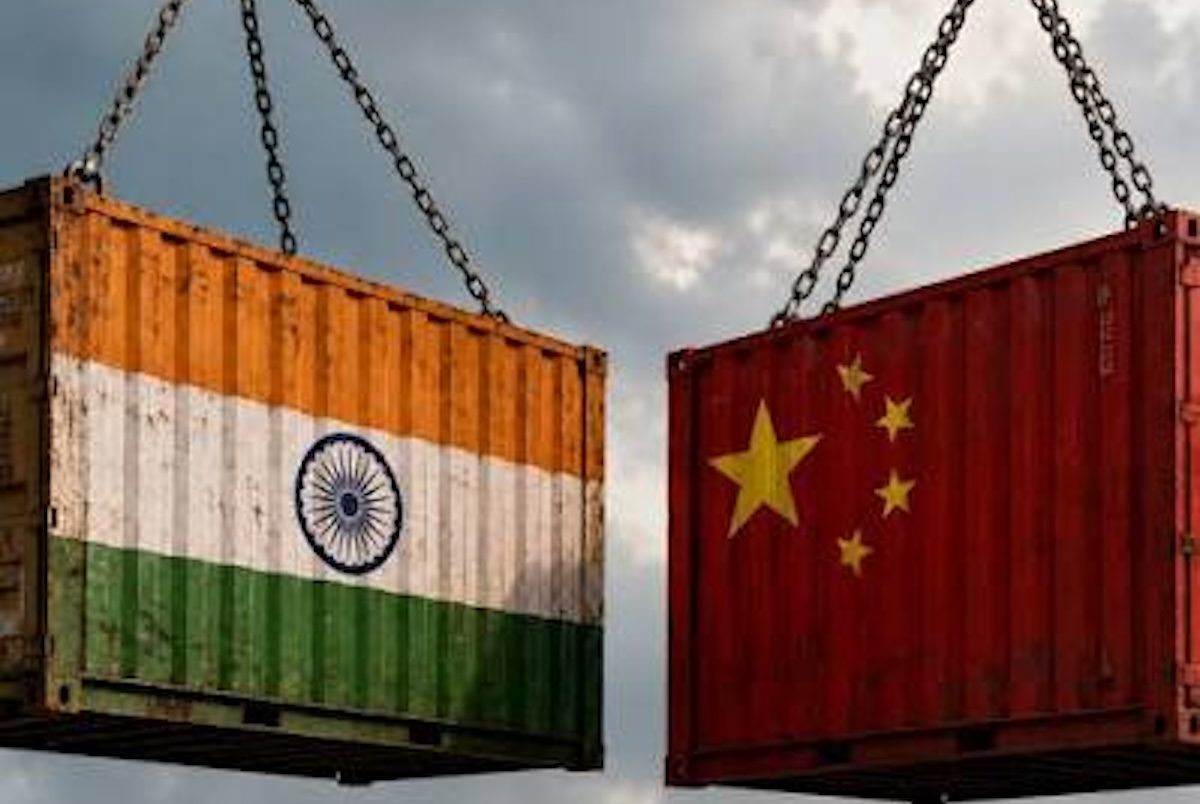
The proposed tariffs are not universal. They target a select group of 60 economies that the U.S. Trade Representative claims are not adequately preventing imports of goods or components linked to forced labor supply chains, especially those connected to China. India is reportedly placed in the higher-risk 12.5% tariff category, while countries like Indonesia, Thailand, and Vietnam face lower additional duties of around 5–10%. Notably, many of these economies are precisely the ones global companies have been shifting toward as alternatives to China.
A Coercive Playbook
If the United States genuinely considered India an equal strategic partner, such sensitive disputes would have been addressed through quiet consultations and joint verification mechanisms. Instead, Washington chose public signaling during active negotiations—a classic example of America's new coercive playbook. For India, sectors vulnerable to scrutiny include solar panels, pharmaceuticals, electronics, textiles, and intermediate industrial inputs sourced from China.
Even if one accepts Washington's argument that some Indian imports may contain components linked to forced labor supply chains originating in China, the question remains: why is the United States effectively outsourcing the burden of its China policy onto third countries? If America believes forced labor violations are occurring in China, the logical primary target should be China itself—through direct sanctions, targeted penalties, import bans, and multilateral enforcement mechanisms. Instead, Washington is increasingly threatening intermediary economies like India, Vietnam, and Mexico for failing to police global supply chains according to American standards and strategic priorities. This shifts the cost of America's geopolitical confrontation with China onto the rest of the world.
Under this approach, countries are no longer merely expected to comply with international trade norms but also to act as enforcement arms of American strategic policy. Washington expects other economies to redesign supply chains, increase compliance costs, alter sourcing networks, and absorb commercial disruption—all to serve a larger US-China economic contest. That is where the issue stops being purely about labor rights and starts looking like geopolitical restructuring. Notably, countries with strong labor standards are also included, suggesting the US is not merely regulating imports but attempting to regulate how global trade itself is organized.
The Tariff Trap
If the proposed additional Section 301 tariffs are confirmed in their current form, the effective tariff burden on many Indian exports to the US could potentially rise significantly to a staggering 40.5%—comprising a 10% baseline, 18% reciprocal tariffs, and 12.5% additional duties. The real problem, however, is no longer the tariff number itself. It is the emergence of a permanently unstable trade relationship where America reserves the right to continuously invent new layers of pressure even while negotiations are underway. Today, it could be “overcapacity” penalties; tomorrow, carbon-linked duties or national-security restrictions. Under Trump's trade doctrine, tariffs are no longer temporary corrective tools—they are becoming a permanent instrument of rolling leverage.
India also has to contend with other potential impediments. On digital trade, Washington wants India to dilute data localization rules and reduce regulatory constraints on American technology companies. At first glance, this appears to be a simple trade concession. In reality, it could gradually place India's digital economy—payments, cloud infrastructure, consumer data, and AI ecosystems—under overwhelming dependence on a handful of American corporations. The same risk exists in e-commerce: if India opens the sector too aggressively without safeguards, giant American platforms with deep capital reserves could overwhelm domestic retail networks.
Pharmaceuticals present another example. The US has consistently pushed for stricter intellectual property protections beyond standard WTO obligations. If India accepts excessively rigid patent regimes under FTA pressure, Indian generic drug manufacturers could face higher barriers that delay affordable medicines and strengthen the monopoly power of large Western pharmaceutical companies. Agriculture presents an even more politically explosive danger. American agribusiness operates at an enormous scale and benefits from heavy subsidies. If India opens sensitive agricultural sectors too rapidly under an FTA, millions of small Indian farmers could struggle to compete with highly mechanized, subsidized imports.
Defense and technology partnerships also carry hidden dependencies. America increasingly positions itself as India's strategic technology partner while simultaneously retaining the ability to impose export controls, sanctions, or supply restrictions whenever political disagreements arise. Even manufacturing incentives could become vulnerable: suppose India builds export-oriented sectors heavily integrated into American supply chains after signing an FTA. Future US actions could then directly threaten those investments.
India must weigh these risks carefully. The allure of a quick trade deal with the world's largest economy is understandable, but the costs of deeper economic dependence on a partner that views leverage as a permanent tool may far outweigh the benefits. As the US-China contest intensifies, New Delhi should consider whether any interim agreement is worth the long-term strategic price. For more on the broader dynamics, see our analysis of US Tariffs and EU Rules Tighten Pressure on China's Trade Position and the lessons from The Autopsy of American Empire: Lessons from Britain's Decline.