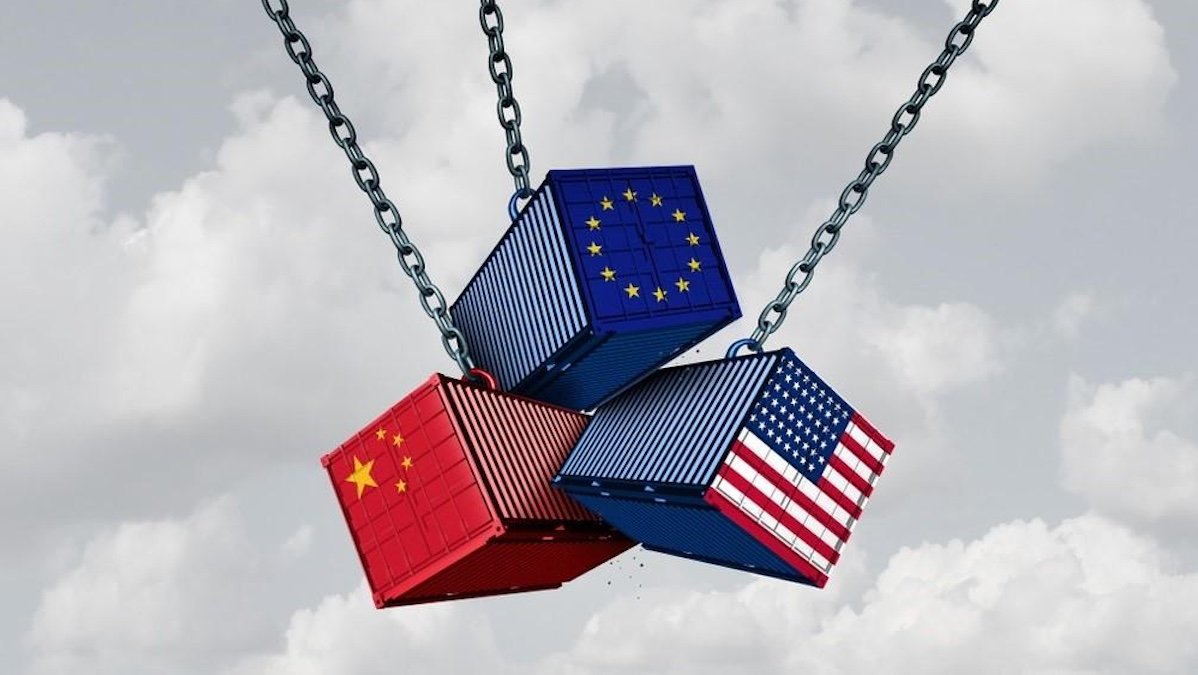
The United States and European Union are intensifying trade measures against China, raising the specter of retaliatory actions that could disrupt global commerce. The US Trade Representative has proposed additional tariffs of up to 12.5% on imports from 60 trading partners, including China, citing inadequate enforcement against goods linked to forced labor. Meanwhile, the EU has introduced the Industrial Accelerator Act and the Cybersecurity Act, which, while framed as domestic competitiveness initiatives, are expected to disproportionately affect Chinese companies seeking access to European markets.
US Tariffs Target Chinese Manufacturing
The proposed US tariffs aim to strengthen labor standards enforcement, but their broad scope—covering 60 nations—will hit China hardest due to its central role in global supply chains. US officials argue the measures ensure ethical sourcing, but the timing adds strain to an already fragile global trade environment. Businesses reliant on Chinese inputs face rising costs and inflationary pressures, forcing difficult decisions on sourcing and investment. This development echoes earlier trade disputes, as detailed in our analysis of Trump's tariffs and export controls reshaping US-China economic ties.
China's manufacturing sector, a linchpin for industries from electronics to automotive, is particularly vulnerable. The tariffs could accelerate supply chain diversification, a trend already underway due to geopolitical tensions. However, the immediate impact will be higher import costs for US firms and potential price increases for consumers.
EU Regulations Raise Barriers for Chinese Firms
The EU's new legislative initiatives add another layer of complexity. The Industrial Accelerator Act streamlines regulations and boosts investment in strategic sectors like renewable energy, advanced manufacturing, and batteries. While not explicitly anti-China, it favors European firms and may limit opportunities for foreign competitors. The Cybersecurity Act tightens standards for digital infrastructure and data protection, likely increasing scrutiny of Chinese technology companies such as Huawei and ZTE, which already face restrictions in Western markets.
These measures reflect growing European concerns about strategic dependencies and technology security. Chinese firms seeking access to the EU's lucrative tech market will encounter stricter certification and security reviews, potentially reducing their competitiveness. This aligns with broader Western efforts to reduce reliance on Chinese suppliers, as seen in the deepening Australia-Japan ties that aim to diversify supply chains in the Indo-Pacific.
Beijing Warns of Retaliation
Chinese officials have condemned the US and EU actions as discriminatory, warning of retaliatory measures. Historically, Beijing has responded with counter-tariffs, export controls, and regulatory restrictions targeting specific industries. The prospect of a tit-for-tat escalation heightens risks for global investors and policymakers, who fear a broader trade war that could disrupt supply chains in electronics, automotive, pharmaceuticals, and consumer goods.
The geopolitical stakes are high. Trade disputes are now intertwined with issues of technological leadership, national security, and human rights, making resolution through traditional negotiations more difficult. As China remains a critical node in global manufacturing, any escalation could have cascading effects across Asia, from Indonesia's rupiah crisis to supply chain shifts in Southeast Asia.
The coming months will test whether diplomatic channels can de-escalate tensions or if the world faces a new era of economic confrontation. For now, businesses and governments must navigate an increasingly fragmented trade landscape, where policy decisions in Washington and Brussels reverberate across the Indo-Pacific.