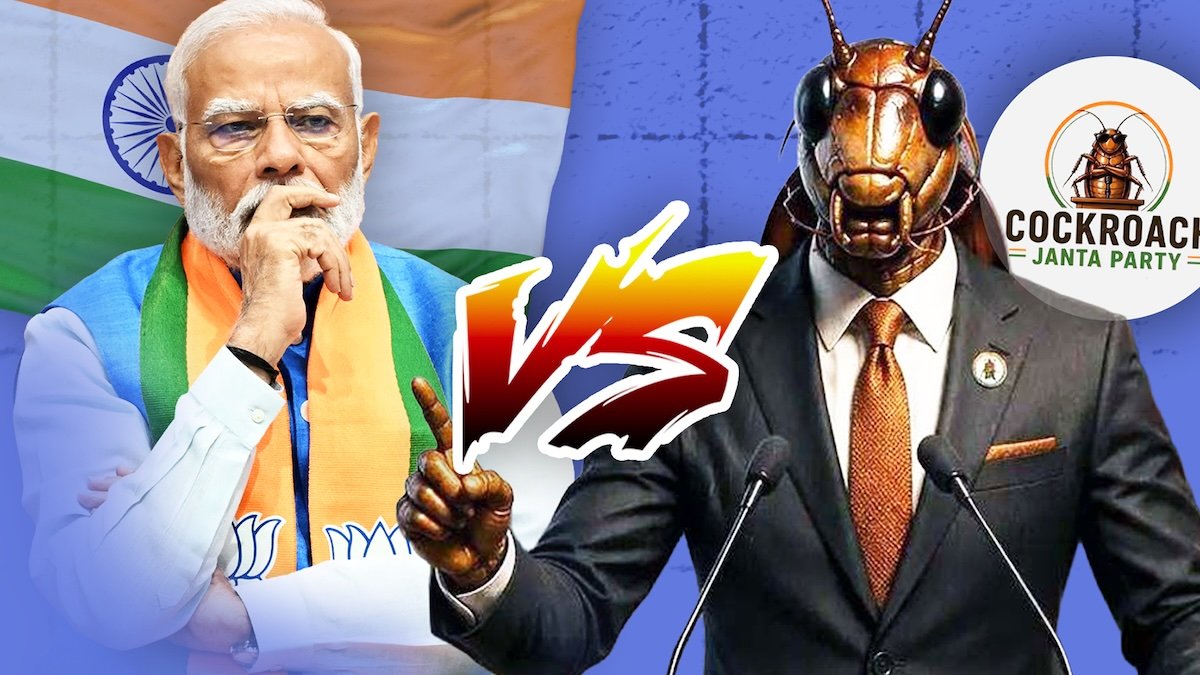
In a dramatic turn of events that underscores the rising political power of India's Generation Z, Education Minister Dharmendra Pradhan resigned on July 25 after weeks of sustained protests by young people across the country. The protests, which began as an online meme and escalated into a national movement, were fueled by anger over widespread exam paper leaks and a controversial remark by a Supreme Court judge comparing unemployed youth to cockroaches.
The crisis began with the National Eligibility cum Entrance Test (NEET), the annual medical school entrance exam held on May 3. Students and opposition parties alleged that pre-circulated question banks matched up to 140 of the 200 questions on the actual paper, raising serious doubts about manipulation. The National Testing Agency was forced to schedule a substitute exam, but the damage was done. According to opposition figures, 152 exam papers have been leaked in the last decade—an average of more than one per month—yet no one has been convicted.
The situation took a surreal turn on May 15 when Supreme Court Chief Justice Surya Kant, during a hearing on unemployment, called jobless youth “cockroaches” who “fail to find jobs and turn to social media, journalism, and RTI activism,” describing them as “parasites of society.” The remark went viral, sparking outrage among young Indians already frustrated by a stagnant job market and systemic corruption.
Content strategist Abhijeet Dipke launched the satirical Cockroach Janta Party (CJP) on social media on May 16. Within four days, it gained over five million followers. What started as a meme page quickly became an online phenomenon, channeling the anger of a generation that felt betrayed by Prime Minister Narendra Modi’s promises of opportunity through initiatives like Digital India and Start-Up India.
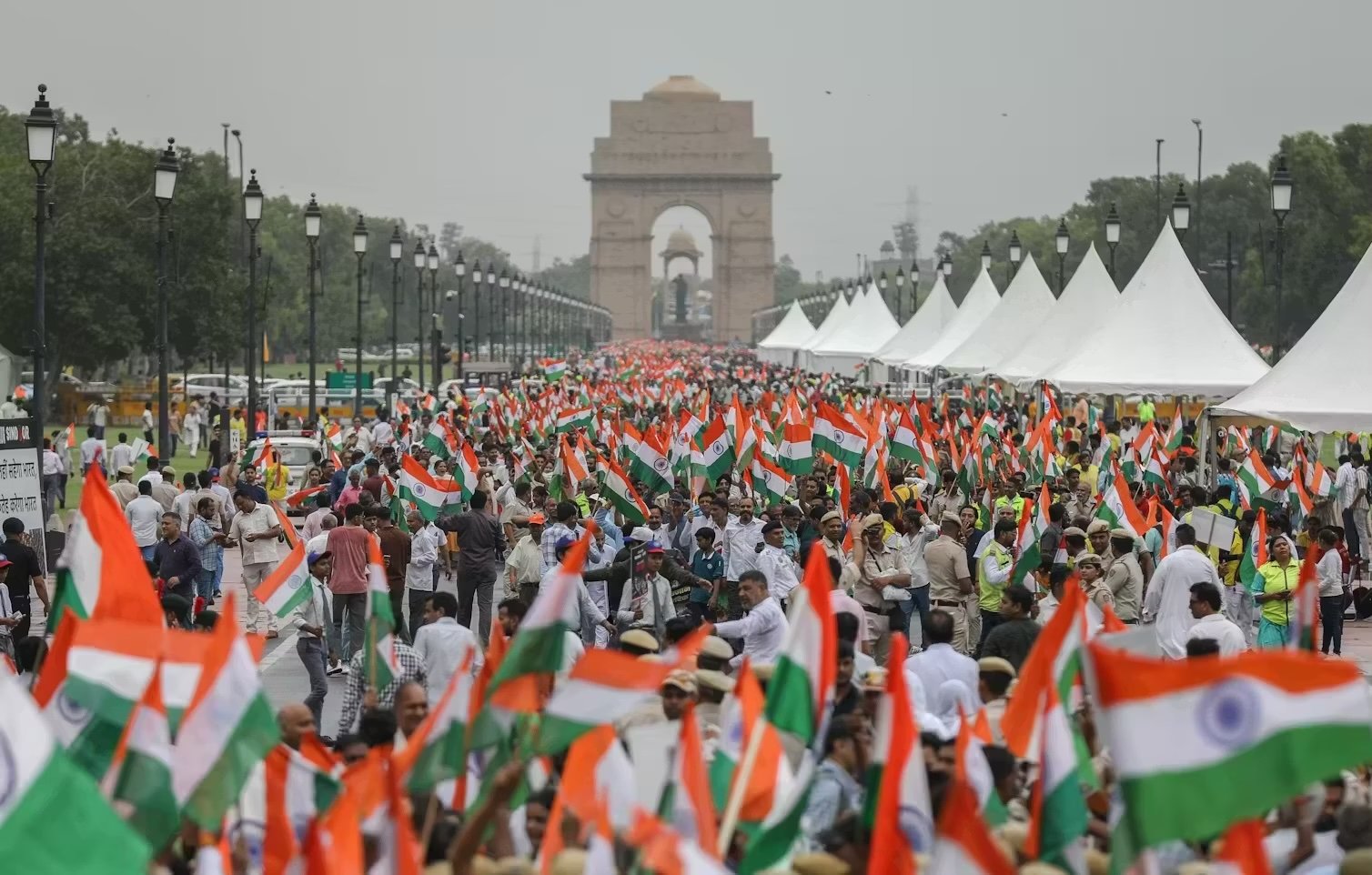
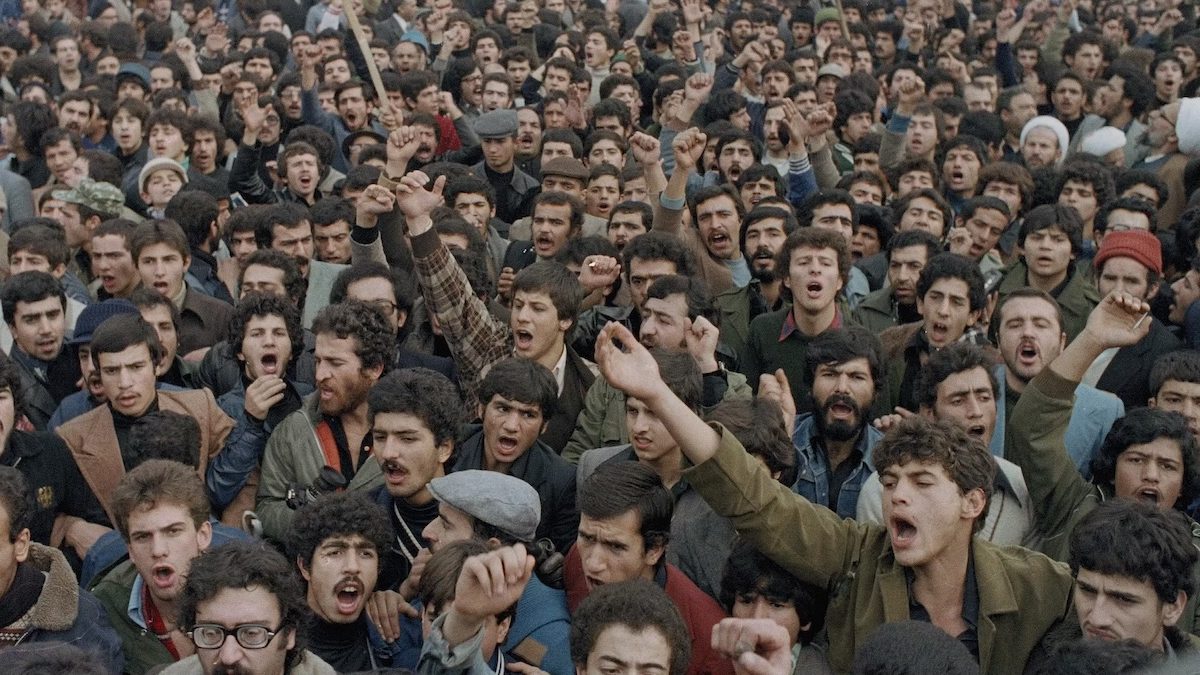
The movement moved from screens to the streets. For nearly a month, supporters occupied New Delhi’s Jantar Mantar, the city’s historic protest site just two kilometers from Parliament. It became one of the largest youth-led challenges to the Modi government in recent years. Opposition leaders voiced support, criticizing the police response and calling for dialogue.
The protests gained further momentum when educator and activist Sonam Wangchuk began a hunger strike on June 28. After 21 days, police forcibly moved him to a hospital, a move that galvanized more young people. On July 20, security forces used tear gas and batons to disperse a peaceful march toward Parliament, hospitalizing around 150 protesters and detaining roughly 70.
The tipping point came on July 22 in Bihar. What began as a peaceful student protest in Patna turned violent when a police jeep was overturned and stones were thrown at officers. The unrest, amplified by social media support from across the country, transformed into a national political crisis. That night, Modi released a selfie-style Instagram video pledging to set up fast-track courts to punish those involved in leaks. But for many protesters, the message fell short because it did not address their demand for Pradhan’s resignation.
On July 25, student activists in Bihar called for a statewide shutdown. In the district of Siwan, police opened fire on demonstrators, injuring three. Hours later, bowing to mounting pressure, Pradhan resigned. The youth-led Indian protesters celebrated the education minister's resignation as a victory, but the movement’s long-term impact remains uncertain.
A generation finding its voice
For nearly a decade, Modi has dominated India’s political conversation. His success rested on a promise of a stronger, more confident India where young people would inherit unprecedented opportunity. But the very same young Indians are now on the streets demanding accountability. The CJP movement has tapped into a deep well of frustration over a system that many see as rigged against them.
The protests have also highlighted the growing influence of social media in Indian politics. The CJP’s rapid growth from a meme page to a national movement shows how digital platforms can amplify youth anger and organize collective action. However, the movement’s future trajectory is unclear. While Pradhan’s resignation is a significant win, the underlying issues—exam leaks, unemployment, and a lack of accountability—remain unresolved.
India’s Gen Z has proven it can no longer be ignored. Whether this translates into lasting political change or remains a flashpoint will depend on how the government responds to the deeper grievances that brought thousands to the streets of Delhi, Patna, and beyond.