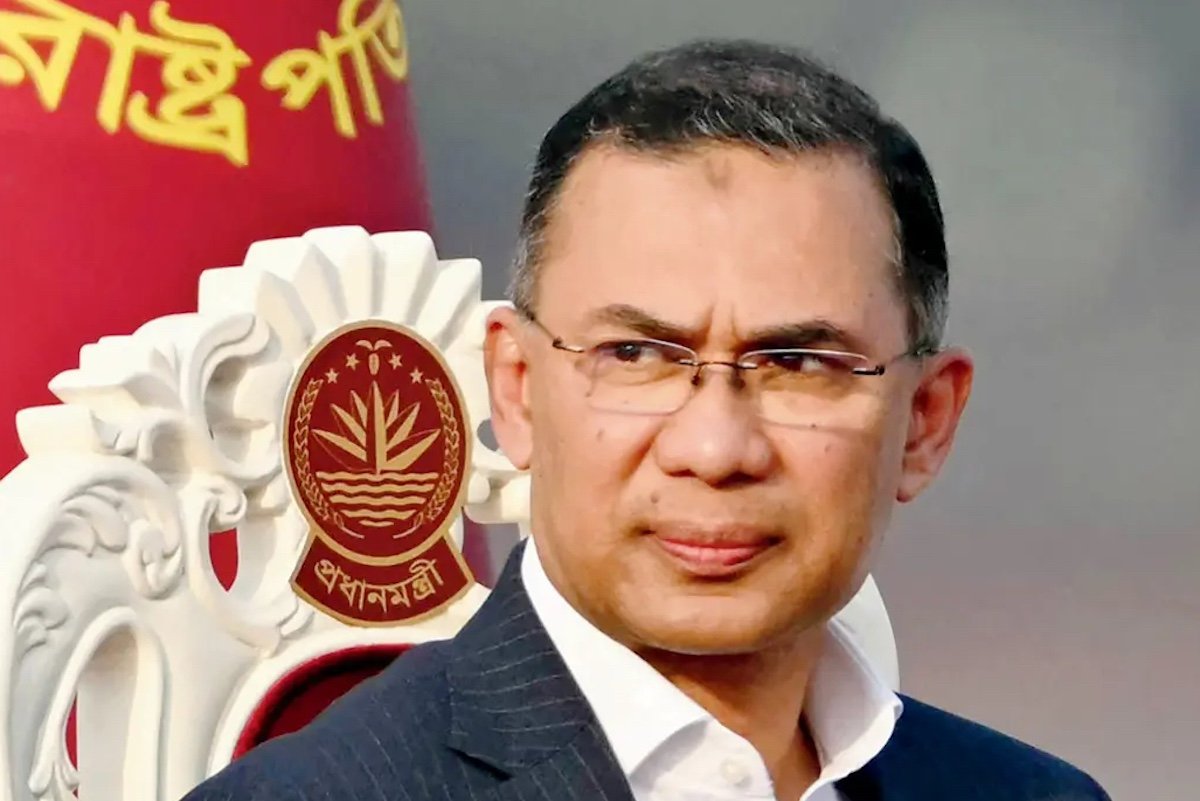
Bangladesh has quietly shelved plans for a state visit by Prime Minister Tarique Rahman to New Delhi, marking a significant shift in bilateral ties that have long been Dhaka's most consequential relationship. Senior officials at Bangladesh's Ministry of Foreign Affairs confirmed the decision to Amar Desh, a leading Bengali daily, and this correspondent independently verified the account with ministry sources.
A prime ministerial visit to India has traditionally been the cornerstone of Bangladesh's foreign policy, but the relationship is now strained by unresolved disputes and a lack of mutual trust. The most pressing issue is the Ganges Water Sharing Treaty, which expires in December. Dhaka has requested an extension while a new treaty is negotiated, but New Delhi has not responded. Diplomatic sources say the level of trust required for a high-profile visit is absent.
Tensions have been compounded by what Dhaka views as India's hostile reaction to Rahman's recent trip to Beijing, increased border friction through alleged push-ins, and the harassment of Zahed Ur Rahman, a top policy adviser, at Delhi airport. Most critically, India is seen as protecting and enabling Sheikh Hasina, the ousted former prime minister convicted of crimes against humanity, to re-enter politics from her sanctuary in Delhi.
Hasina's Return Looms
Nearly two years after fleeing Bangladesh amid a student uprising, Hasina announced her intention to return home from exile in India this December. In a Reuters interview, the 78-year-old acknowledged she could face arrest, execution, or assassination but insisted she wanted to die on the soil where her parents are buried. The International Crimes Tribunal has sentenced her to death for suppressing student protests.
Dhaka has repeatedly sent extradition requests to India, which has avoided public commitment. India's dilemma is profound: abandoning Hasina risks damaging its credibility across the region, but protecting a leader sentenced for mass killings carries mounting diplomatic costs. Every improvement in bilateral relations narrows New Delhi's room for delay.
Political analysts in Dhaka welcome the measured distance, arguing that India has historically refused to trust any political force in Bangladesh other than the Awami League and Hasina. They contend that unless India fundamentally changes its patronizing approach, Dhaka should maintain its distance and ensure the strategic foundation established with China is not undermined.
Setting aside India, the Foreign Ministry is now focusing on Rahman's participation in the upcoming UN General Assembly in New York, alongside planned state visits to Japan and Saudi Arabia. This diplomatic freeze coincides with a reshuffle: the replacement of High Commissioner M Riaz Hamidullah in New Delhi with serving Foreign Secretary Asad Alam Siam signals a shift away from what officials describe as an overly deferential approach.
The broader regional context includes India's delicate balancing act in South Asia, as seen in Seoul's pragmatic diplomacy navigating Trump's unpredictable foreign policy, though the dynamics differ. For now, Bangladesh's recalibration reflects a growing recognition that unreciprocated goodwill cannot sustain the relationship.