South Asia is home to nearly a quarter of the world's population, yet its internal borders remain among the most restrictive anywhere. Centuries of shared history, language, and culture have not translated into easy movement between countries. Instead, visa policies, political tensions, and diplomatic uncertainty dictate who can cross and who cannot.
People in the region want to travel for the usual reasons: education, medical care, business, or visiting family. But borders here are not just lines on a map—they function as high, often impenetrable walls. This isolation undermines a region that desperately needs economic cooperation, freedom of movement, and cultural exchange to thrive.
Diplomatic Whims Decide Travel
While other parts of the world, such as the European Union and ASEAN, are knitting themselves closer together, South Asia remains stuck on a basic problem: getting to the country next door can be harder than flying halfway around the globe. For ordinary people, how far they can travel often depends not on distance but on the state of diplomatic relations on any given day. Students, researchers, tourists, patients, and businesspeople all get caught in the middle of political decisions over which they have no control.
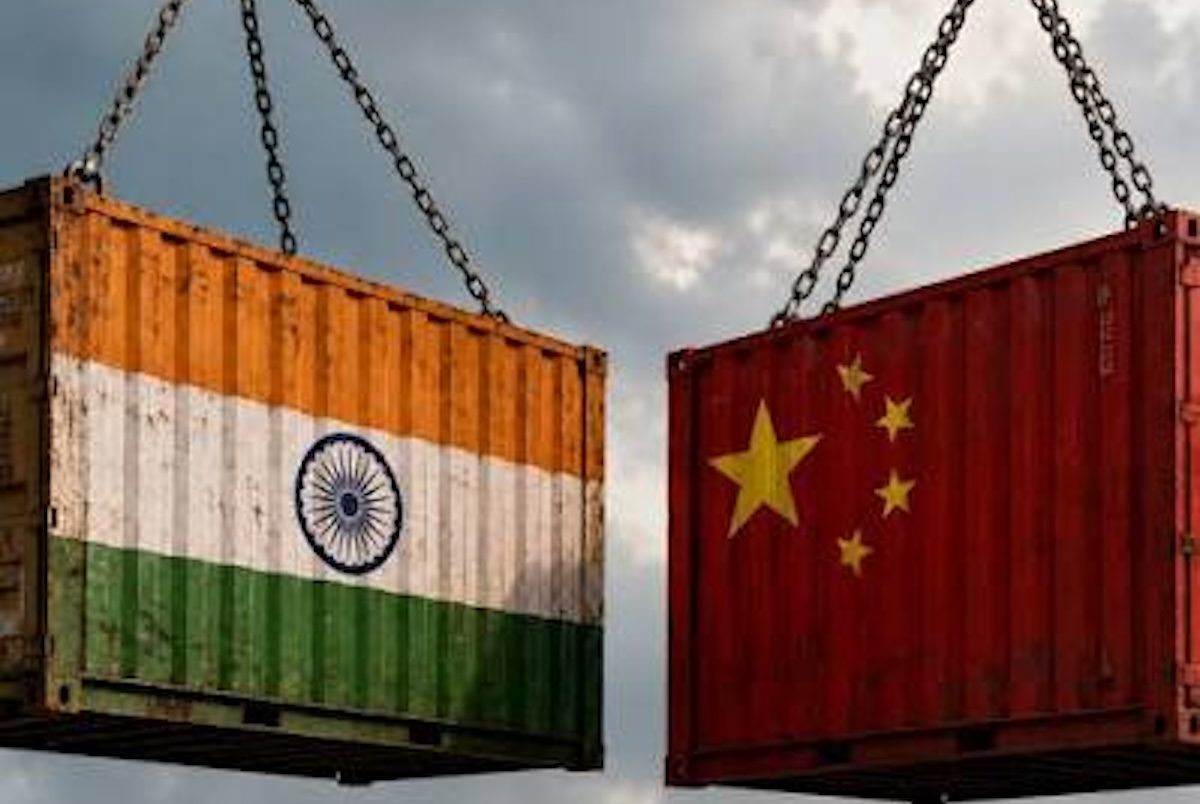
Bangladesh and India illustrate how quickly border situations can shift. After Bangladesh's political upheaval in August 2024, India sharply curtailed Bangladeshi tourist visas, keeping the door open mainly for medical cases. A trip to India, once routine for many Bangladeshis, became an ordeal. It took nearly two years for India to announce that tourist visas for Bangladeshis would resume on June 28, 2026—a move welcomed regionally as a concrete step toward mending ties.
Bangladesh and Pakistan tell a quieter, similarly stuck story. More than 50 years after the 1971 war that created Bangladesh, old wounds still shape relations. Visa services have never shut down outright, but mobility has been restricted for decades—confined mostly to official, business, or medical travel, with tourism barely registering. Two nations bound by history interact far less than their geography would suggest.
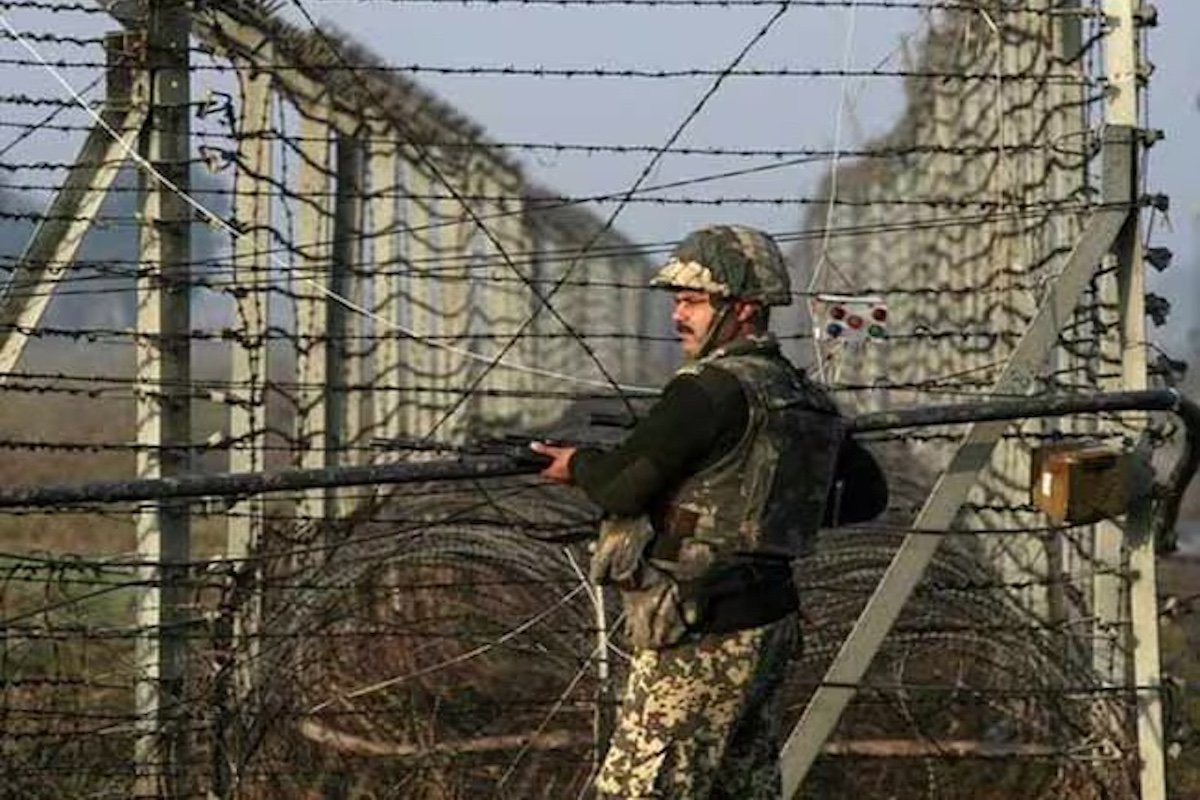
India and Pakistan are the starkest case. Since Partition in 1947, persistent wars and security crises have curtailed cross-border travel. The situation worsened after the Pahalgam attack in April 2025, when India suspended visa services for Pakistanis and revoked most visas already issued. Travel between the two countries has remained largely frozen since.
India and Afghanistan have similarly closed borders. When the Taliban seized power in August 2021, India suspended regular visa access for Afghan citizens. Access eased slightly in 2025, when India introduced e-visas for select categories—business, medical, and students—a small but meaningful opening. The Afghanistan-Pakistan border is as blocked as any in the region, with rights groups documenting mass deportations and tightening restrictions on families seeking refuge.
Elsewhere, the barriers look different but amount to the same thing. Sri Lanka's 2024 attempt to outsource its visa processing raised costs and entangled travelers in red tape before the Supreme Court suspended the deal, with the fallout still being sorted out. Bhutan takes a different approach with its Sustainable Development Fee—not a visa restriction exactly, but a financial impediment to movement. Across much of the region, the size of your bank account increasingly decides how freely you can move.
Nepal and the Maldives remain exceptions, with more relaxed arrangements than most neighbors, though even these rest on one-off bilateral deals rather than any shared regional framework. The bigger picture hasn't changed: South Asians, more often than not, find it easier to fly somewhere distant than to visit the country next door. This isn't just an inconvenience—limited mobility erodes academic collaboration, tourism, and economic opportunity. At the same time, governments rarely feel the cost directly. It's the students pursuing education, the patients seeking urgent care, the families split by a border, and the entrepreneurs trying to reach new markets who pay the price of the restrictions.
To be sure, building a more connected region doesn't mean tearing down borders or ignoring genuine security concerns. But walls that unnecessarily prevent students, researchers, and businesspeople from crossing borders for useful purposes are in nobody's interest. As South Asia's water wars show, data transparency and cooperation are new fronts where integration could yield benefits. Similarly, India's water infrastructure push threatens fragile peace, highlighting how unilateral actions can deepen divides. Meanwhile, Singapore's capital magnetism risks hollowing out Southeast Asia's startup ecosystems, a reminder that regional imbalances can stifle growth. In Dhaka, Bangladesh, the call for freer movement is clear: petty, punishing walls are holding South Asia back.