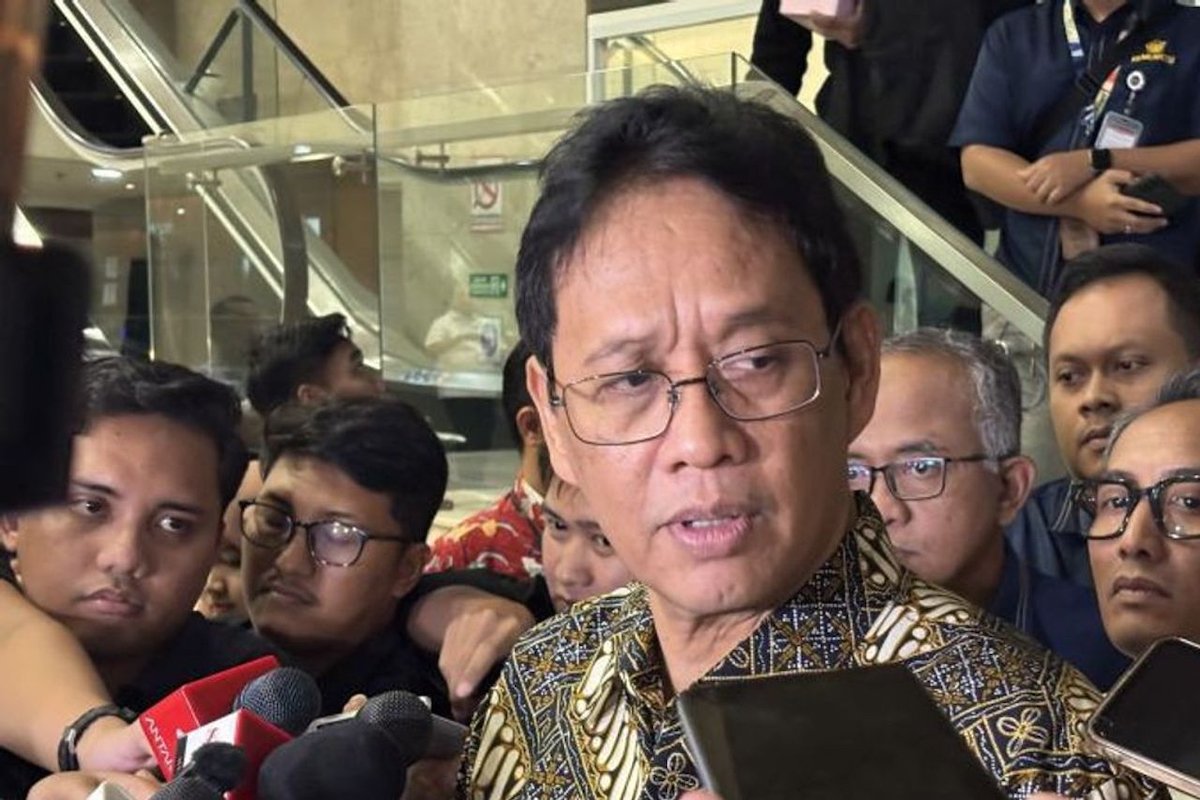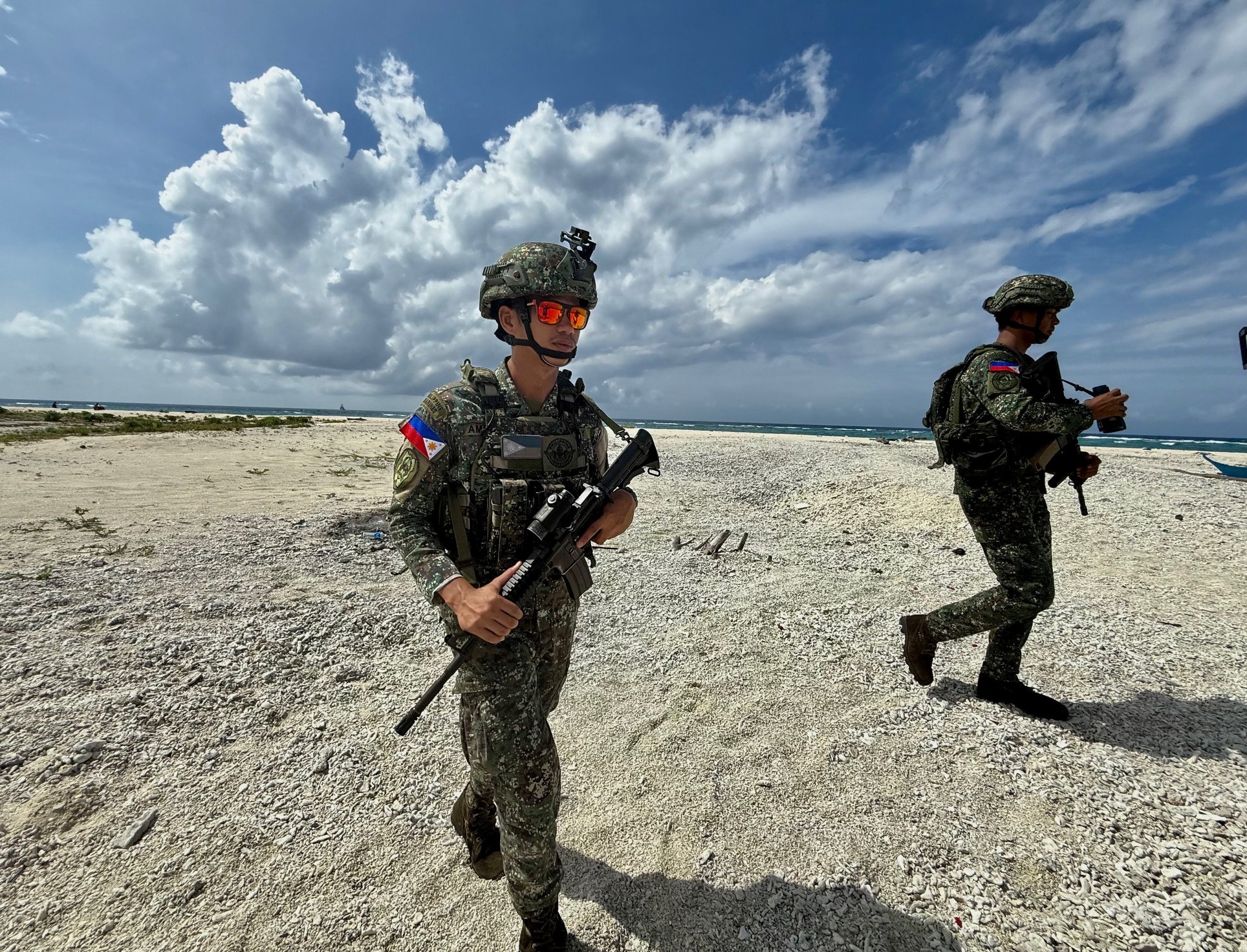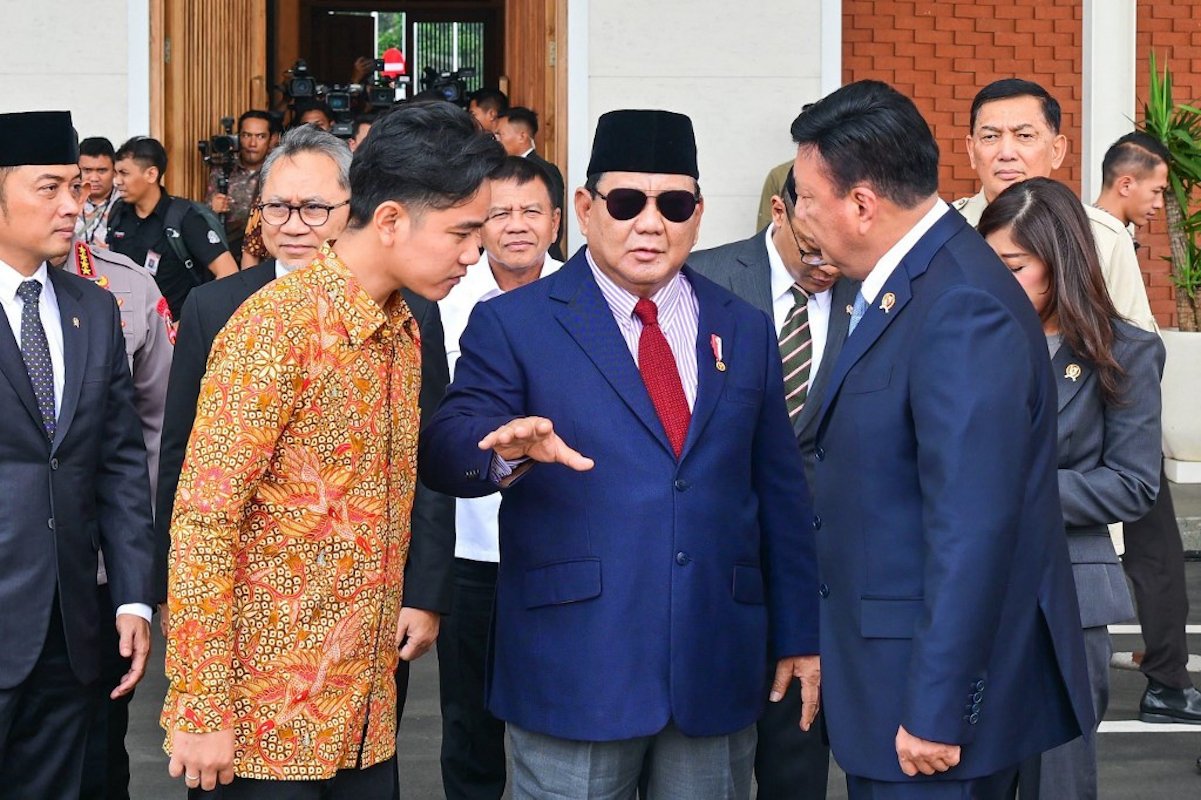
When China's Defense Minister Admiral Dong Jun met his Indonesian counterpart Sjafrie Sjamsoeddin in Jakarta on August 21, the two sides pledged to deepen military cooperation. At a joint press conference, Dong spoke of resisting the "malicious intentions" of foreign powers, a phrase that in Beijing's diplomatic lexicon typically refers to the United States and its allies.
The statement sounds straightforward: two nations agreeing to shield themselves from external threats. But the word "foreign" deserves closer scrutiny. Who exactly is being referred to, and who gets to decide?
The question is not academic. Indonesia is simultaneously cultivating closer ties with both China and the United States. In February, Jakarta and Washington signed the Agreement on Reciprocal Trade, under which Indonesia committed to opening its market to American goods and reducing trade barriers. The government framed the deal as essential to protect exports and jobs from US tariffs, while critics argued that Jakarta made significant concessions that could constrain its economic policy autonomy.
This creates an apparent contradiction. If Beijing is signaling resistance to foreign powers, and Washington is the implied target, where does Indonesia stand? Jakarta is cooperating with Beijing on defense while signing major economic agreements with Washington. If the US is not the "foreign power" in question, then who is?
The domestic dimension of 'foreign'
The ambiguity deepens when we consider Indonesia's domestic politics. President Prabowo Subianto has repeatedly used the term "antek asing," generally understood as a foreign agent or puppet. Amnesty International reported in 2026 that activists, journalists, and civil society groups in Indonesia had been targeted by campaigns accusing them of being foreign agents.
Here, the meaning of "foreign" becomes politically charged. A government has every right to investigate genuine foreign interference, and Indonesia has a legitimate interest in protecting its sovereignty. But foreign influence, foreign interference, and foreign control are not automatically the same thing. An Indonesian journalist can speak to foreign media without being a foreign agent. An activist can work with an international organization without taking orders from another government. A student protest can receive international attention without being controlled from abroad.
This is why the phrase "antek asing" deserves careful examination. The question should not be whether foreign influence is possible, but whether there is evidence that a particular Indonesian is actually acting on behalf of a foreign power. Otherwise, the word can shift the political debate from the substance of criticism to the loyalty of the critic.
China offers a useful comparison, though the two countries have very different political systems. China is a one-party state ruled by the Chinese Communist Party, and its government regularly uses the language of foreign interference and "foreign forces" when discussing threats to national security and political stability. Indonesia remains an electoral democracy with competing parties, elections, a critical press, and civil society organizations. There is no basis for claiming that Indonesia and China are creating a joint authoritarian system simply because they are expanding defense cooperation.
The more interesting question is about political language. In China, "foreign forces" can refer to governments or organizations that Beijing considers a threat. In Indonesia, "asing" can also be used against Indonesian citizens accused of serving foreign interests. The contexts differ, but the political question is similar: who gets to define who is foreign?
Indonesia has its own history with such labels. During Suharto's New Order, political opponents were sometimes accused of serving foreign interests or helping outside powers destabilize the country. Such accusations could make political opposition appear to be a security threat rather than a normal part of political life.
Prabowo's use of "antek asing" does not prove that Indonesia is returning to the New Order, nor does cooperation with China indicate that Jakarta is adopting Beijing's political system. But the combination should make Indonesians more careful about how the word "foreign" is used.
The danger is not cooperation with China. Indonesia has every right to work with Beijing, just as it has every right to work with Washington, Tokyo, Canberra, or anyone else. In fact, maintaining relationships with competing powers can be part of Indonesia's effort to protect its independence. As Jakarta navigates these ties, it must also weigh the hidden costs of deeper engagement with Beijing.
The danger comes when "foreign" becomes too broad. If Beijing means the US, it should say so. If Jakarta means a particular foreign government or organization, it should name it. And if an Indonesian citizen is accused of serving foreign interests, the government should provide evidence of the connection.
Otherwise, "foreign" risks becoming a political label rather than a clear description. Indonesia should therefore ask a simple question whenever the word appears in official political language: foreign to whom? Which country? Which organization? What action? What evidence?
That question is not anti-China or anti-America. It is a question of political clarity. Indonesia can cooperate with China without adopting Beijing's political vocabulary, and it can protect its sovereignty without turning every critic into a foreign agent. The distinction matters, not just for Indonesia's democracy, but for the credibility of its foreign policy in a region where great-power competition is intensifying.