In the complex landscape of energy transition, few proposals are as appealing—or as fraught—as compromise. Japan's Asia Zero Emission Community (AZEC) is advancing ammonia co-firing at Indonesia's Suralaya and Paiton coal plants, a strategy that promises emissions reductions without retiring coal infrastructure. But without clear timelines, this approach risks locking Indonesia into coal for decades, undermining the very decarbonization it claims to support.
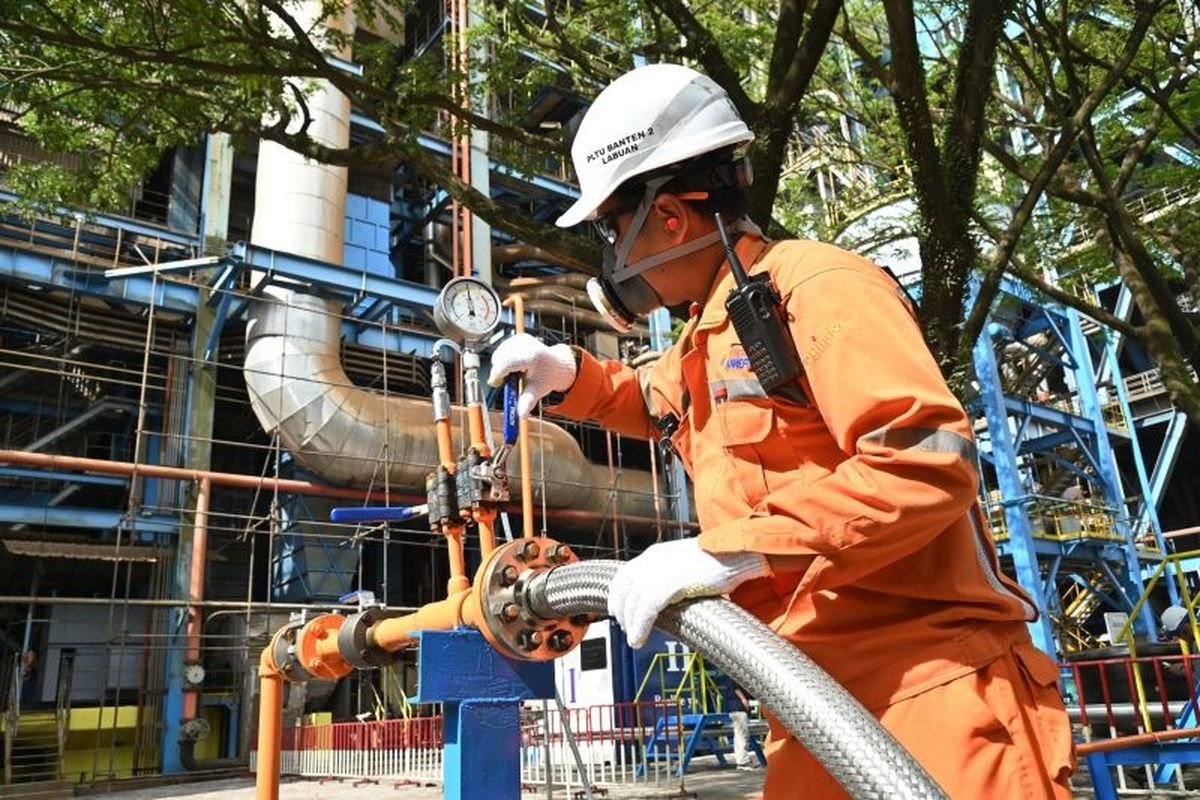
Indonesia faces a genuine dilemma. Coal supplies over half of its electricity, making a rapid phaseout politically and economically challenging. Technologies that offer incremental decarbonization, like ammonia co-firing, can provide a bridge. Early trials, such as the Labuan plant test with Japan's IHI Corporation, show that blending ammonia into coal systems is technically feasible, albeit at very low levels—around 3% ammonia in the initial test.
Japan's push is not purely environmental; it is also industrial policy. Through AZEC, Tokyo is positioning itself at the center of a new energy ecosystem, exporting technology and building regional fuel supply chains. This aligns with Japan's broader strategic interests, as seen in its military normalization and energy security moves. However, for Indonesia, the priority must be the fastest and most cost-effective path to net-zero emissions by 2060.
The Limits of Ammonia Co-Firing
The technology's promise has outpaced its proof. Globally, most ammonia co-firing demonstrations have struggled to achieve more than 20% substitution, leaving coal as the dominant fuel. Even in Japan, where the technology is most advanced, targets remain modest and experimental. At low blending ratios, emissions reductions are marginal—a small gain at high cost.
Cost is a major barrier. Low-carbon "green" ammonia is expensive to produce and transport. Analysts warn that ammonia co-firing is significantly more costly than renewable energy alternatives, which are already cheaper and rapidly scaling across Southeast Asia. Moreover, most ammonia today is produced from fossil fuels, meaning lifecycle emissions remain substantial unless the supply chain is fully decarbonized.
Retrofitting coal plants creates incentives to keep them running longer rather than retiring them sooner. Investments justified as "transition" can lock in infrastructure for decades. At Suralaya and Paiton—among the largest coal plants in the region—extending their lifespans has long-term consequences for emissions, investment flows, and energy planning. Critics argue that Japan's promotion of ammonia co-firing risks prolonging coal use and delaying deployment of cheaper, cleaner alternatives like solar and wind.
Indonesia's economic challenges add urgency. The country needs affordable energy to support growth, and renewables offer a more sustainable path. The risk is that ammonia co-firing, framed as a bridge, becomes a crutch—a slow extension of coal's lifespan under the banner of innovation.
To avoid this trap, any Japan-backed AZEC ammonia co-firing pilot at Suralaya or Paiton should come with a binding sunset clause: a clear, enforceable timeline for either scaling to near-zero emissions or shutting down. A five-to-seven-year window tied to measurable benchmarks—such as achieving high substitution levels at competitive costs—would prevent the sunk-cost trap and align incentives with Indonesia's long-term transition.
Without such discipline, the alternative is drift. Indonesia stands at a familiar crossroads: balancing growth, energy security, and climate responsibility. There are no perfect solutions, but there are clearer and less clear paths. The choice is not between coal and renewables, but between a genuine transition and a costly detour.