Japan has entered its first recession since 2015, official data released Monday confirmed, as the world's third-largest economy shrank by 0.9% in the first quarter of 2020. The contraction follows a 1.9% decline in the fourth quarter of 2019, driven by a consumption tax hike and devastating typhoons—well before the coronavirus pandemic fully took hold.
A recession is technically defined as two consecutive quarters of negative GDP growth. The latest figures, while slightly better than the 1.1% decline economists had forecast, underscore the severity of the economic damage wrought by COVID-19. Analysts now warn that the second quarter will be far worse.
Consumption and Investment Take a Hit
Private consumption, which accounts for more than half of Japan's GDP, fell 0.7% quarter-on-quarter. Household spending dropped 0.8%, while corporate investment slipped 0.5%. “Personal consumption has been the main casualty of the Covid-19 pandemic as consumer spending has been greatly affected by this due to people staying at home,” said Naoya Oshikubo, senior economist at SuMi TRUST.
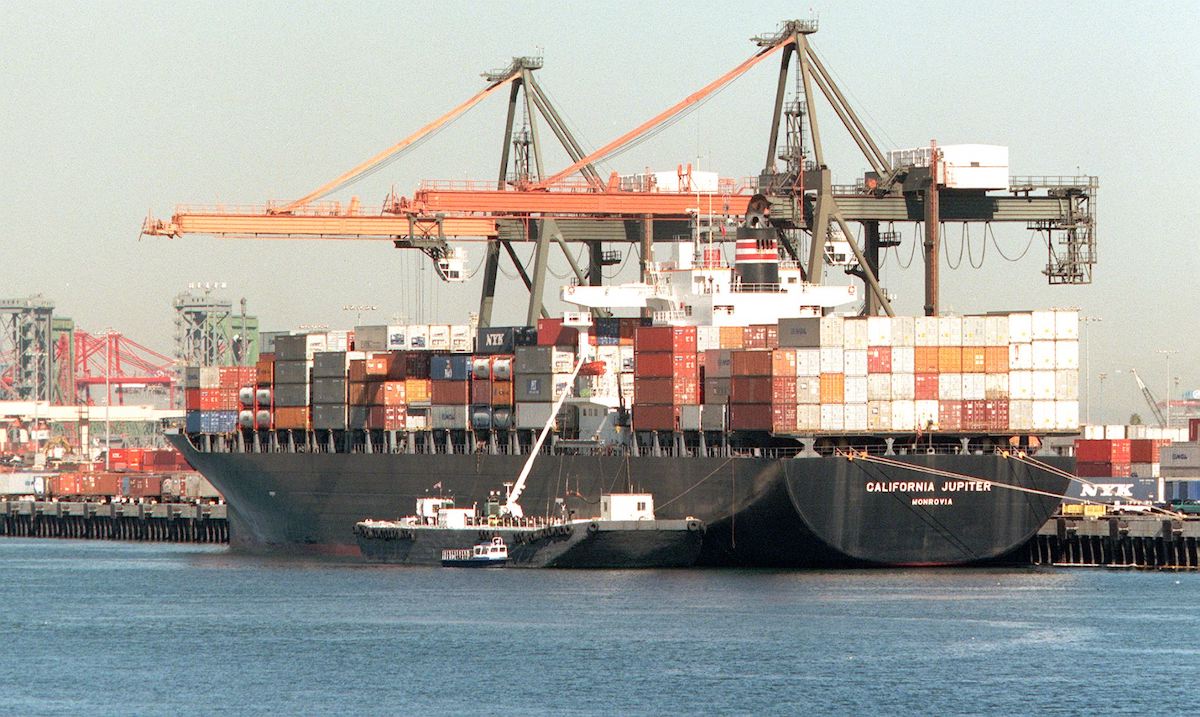
Exports, a critical engine for Japan's economy, were hit hardest, plunging 6% compared with the previous quarter. The decline reflects both domestic production disruptions and collapsing demand from key trading partners, including the United States and China.
Prime Minister Shinzo Abe declared a state of emergency in April, urging residents to stay indoors and businesses to close. The measure was lifted for most of the country last week but remains in place for the economic powerhouses of Tokyo and Osaka, where the risk of a sudden spike in infections remains high.
Stimulus and the Road Ahead
To cushion the blow, Abe's government has pledged a cash handout of 100,000 yen (about $930) to every citizen, part of a broader stimulus package worth roughly $1 trillion. The package aims to protect jobs, bolster the medical sector, and ease the financial strain on working families. Tourism, a vital sector, has collapsed by as much as 90%, and the postponement of the Tokyo 2020 Olympics—once seen as a catalyst for economic growth—has added to the gloom.
Despite the grim data, Japan has fared better than many advanced economies in terms of public health, with just over 16,000 confirmed cases and around 750 deaths nationwide. However, authorities remain wary of a potential explosive outbreak, particularly in densely populated urban centers.
Economists are bracing for a catastrophic second quarter. Oshikubo's firm forecasts a staggering 10.2% contraction, which would be the worst since the 2008 global financial crisis. Yoshiki Shinke, chief economist at Dai-ichi Life Research Institute, told AFP the second quarter would be “significantly worse,” predicting a decline of around 6% to 7%. “As to the question of when the economy will pick up, it all depends on the number of infected and when the virus fades out,” Shinke said.
The full impact of the pandemic on Japan's economy is still unfolding. With the state of emergency only recently lifted in most areas and global demand remaining weak, the path to recovery remains uncertain. For now, Tokyo and Osaka—the country's economic heart—remain under restrictions, and the yen's recent volatility, as noted in our coverage of the yen nearing 160 to the dollar, adds another layer of complexity for policymakers.