In mid-June 2026, Russian state agencies and Laos agreed to study the feasibility of building small modular reactors (SMRs) along the Mekong River. The deal, while preliminary, signals a major shift in the region's energy calculus—and raises alarms for the millions who depend on the river's floodplains for rice cultivation.
At first glance, SMRs seem premature for Laos, a country with a light industrial base. But the rapid growth of electric vehicle (EV) manufacturing and fierce competition for metals across Southeast Asia suggest a deeper motive: a strategic bid to reshape the region's industrial balance of power. Yet any such restructuring must contend with three stubborn constraints: reliable baseload power, direct shipping routes, and the inertia of established industrial ecosystems.
Power as the price of entry
Turning raw ore into refined metal is an energy-intensive process. Aluminum smelting, for instance, demands 13,500 to 14,500 kilowatt-hours of uninterrupted power per ton. According to the International Aluminium Institute, electricity accounts for over 40% of total manufacturing costs. Even small fluctuations in power pricing can determine whether a smelter survives or collapses.
Thailand, Malaysia, Indonesia, and Vietnam are racing to build downstream manufacturing hubs, fueled by global tech and EV investments. Thailand's auto sector, which produced about 1.455 million vehicles in 2025 and is projected to reach 1.5 million in 2026, consumes aluminum steadily for car parts. Combined with new regional battery factories, this is driving a sharp rise in local demand for processed aluminum.
The grid bottleneck
An aluminum smelter requires a flat, uninterrupted power curve—24 hours a day, 365 days a year. Unlike an assembly line, a smelting potline cannot power down during peak hours or slow in dry seasons. A sudden power drop can freeze molten metal inside cells, destroying millions of dollars in equipment within hours.
Northern Vietnam's power grid, heavily dependent on hydropower, is vulnerable to seasonal droughts and frequent gaps in dry months. Forcing an energy-intensive smelter onto a grid that already rations power for electronics and shoe factories would destabilize the local economy. Regional planners are building LNG import terminals and cross-border power links, but these cannot deliver the cheap, massive, and highly localized baseload power that non-integrated smelters require.
Strength of integrated ecosystems
Established heavy industrial hubs hold an integrated advantage. They draw on vast local mineral reserves while importing bauxite through deep-water ports. Major infrastructure projects, like the Pinglu Canal with an annual capacity of 89 million tons, have cut freight costs from inland smelters to coastal ports. Advanced proximity-smelting models let upstream plants feed hot, molten metal directly to next-door rolling and extrusion factories, skipping costly casting and re-melting steps. This energy-efficient setup lets raw metal reach Southeast Asian manufacturing lines at prices that consistently undercut new local primary smelters.
Alternative supply risks
Russia's Siberian hydropower plants offer cheap electricity, but geopolitical fallout since 2022 has broken its export model. Sanctions cut Russian smelters off from raw materials supplied by partners like Australia and froze overseas processing assets. The Middle East's Gulf smelters run on stable natural gas but have no domestic bauxite deposits, leaving them vulnerable to shipping-price spikes. Guinea holds rich bauxite reserves but lacks the power infrastructure for energy-intensive smelting.
Doomsday Mekong math
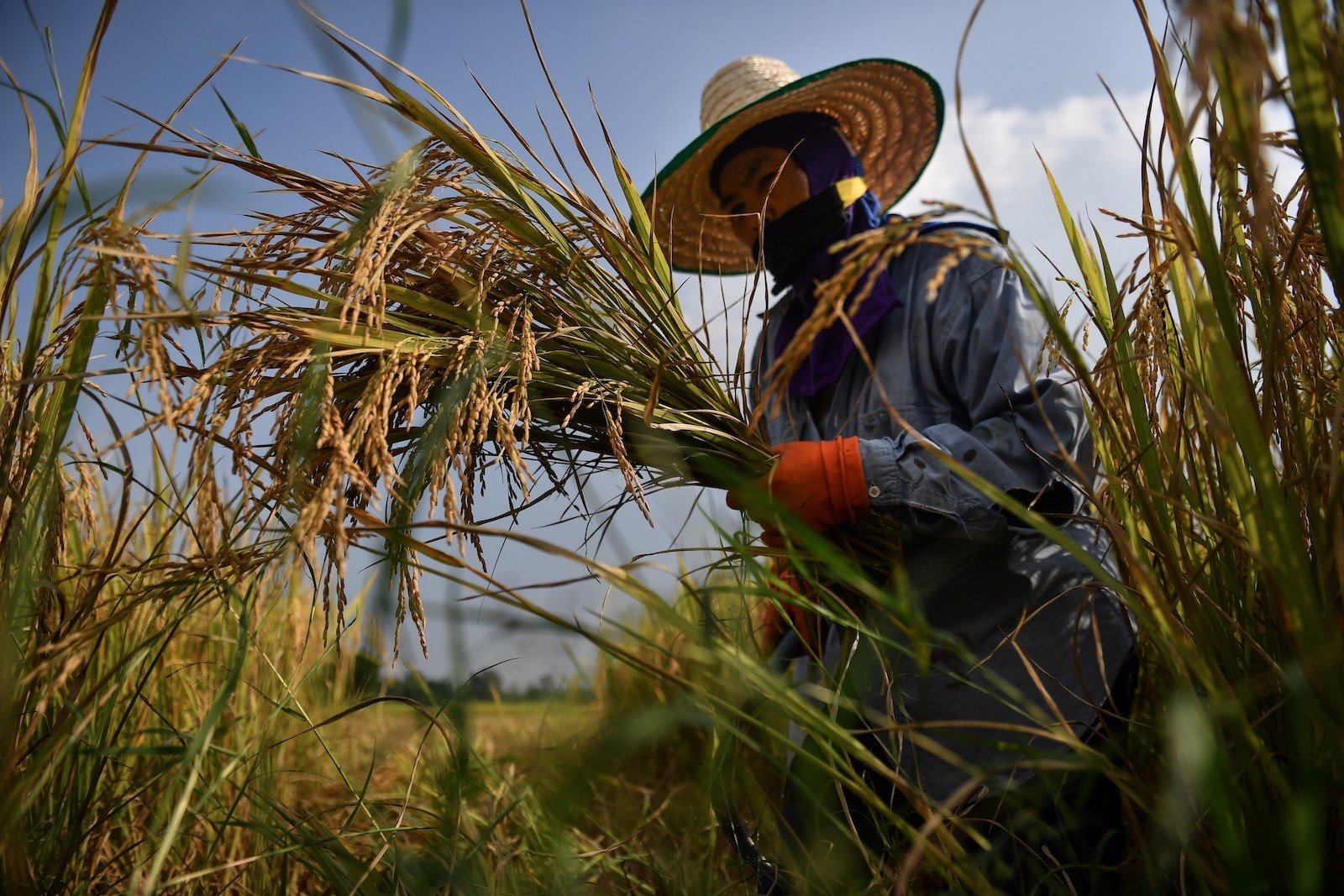
Proponents of new energy projects often point to coastal nuclear plants or clusters along Europe's Rhine and Danube rivers to argue that Southeast Asia could easily adopt nuclear power. But that comparison misses fundamental differences. Unlike Central Europe's heavily industrialized, lower-agricultural-intensity valleys, the Mekong functions as a narrow, overused hydro-lifeline. Coastal nuclear plants release warm wastewater into oceans with huge dilution capacity; the Mekong supports more than 60 million people who depend on its floodplains for rice.
The risk of radioactive contamination from an accident or routine discharge could devastate the region's food security. As nonproliferation experts have warned, SMRs are not inherently safer than larger reactors, and their deployment in ecologically sensitive areas demands rigorous oversight. The Mekong's rice-growing floodplains are the backbone of food supply for millions across Laos, Thailand, Cambodia, and Vietnam. Any nuclear mishap would ripple far beyond Laos' borders.
Laos' nuclear ambitions with Russia may be driven by industrial strategy, but the ecological stakes are existential. The region must weigh the promise of cheap power against the irreversible cost of contaminating its most vital resource.