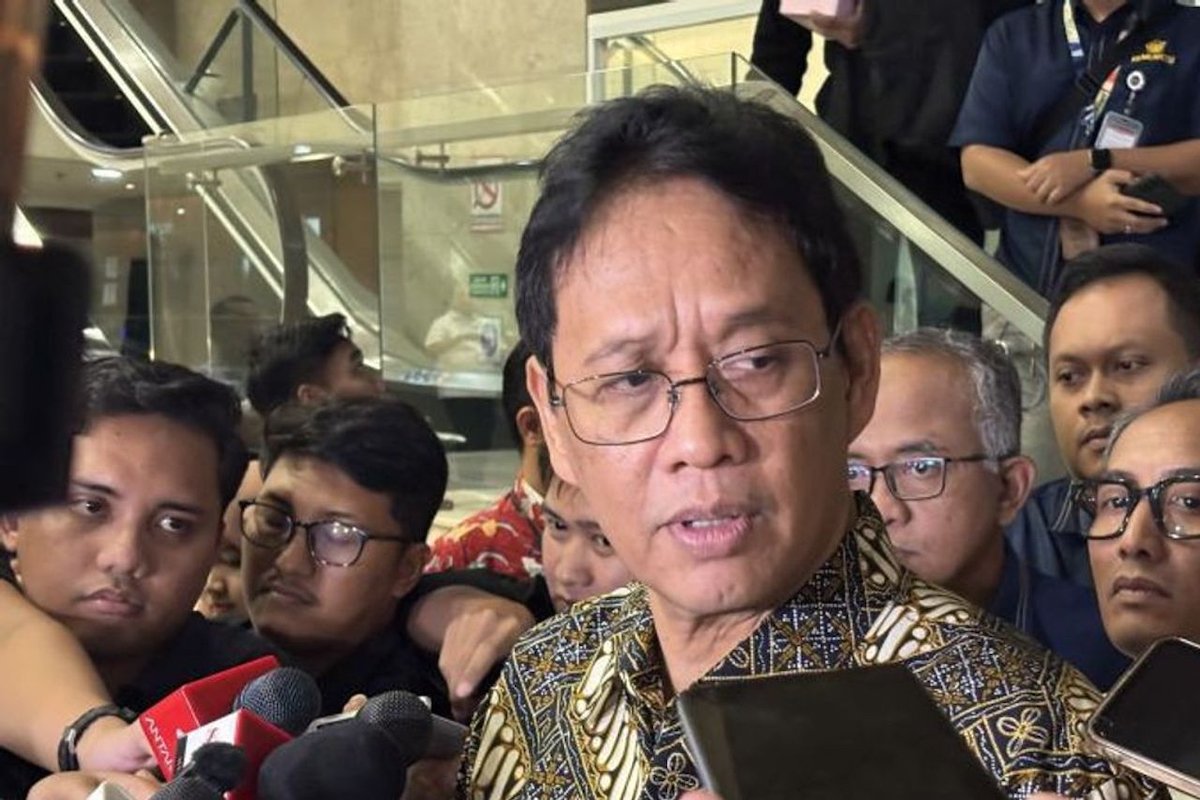
Myanmar's traditional New Year festival, Thingyan, typically symbolizes renewal and public celebration. This year, the military junta marked the occasion by releasing some 4,300 prisoners in a mass amnesty, including former President Win Myint, a close ally of Aung San Suu Kyi. The move briefly raised hopes of a political shift, but a closer look reveals that these annual releases are not a sign of reform but a calculated component of the junta's broader system of terror.
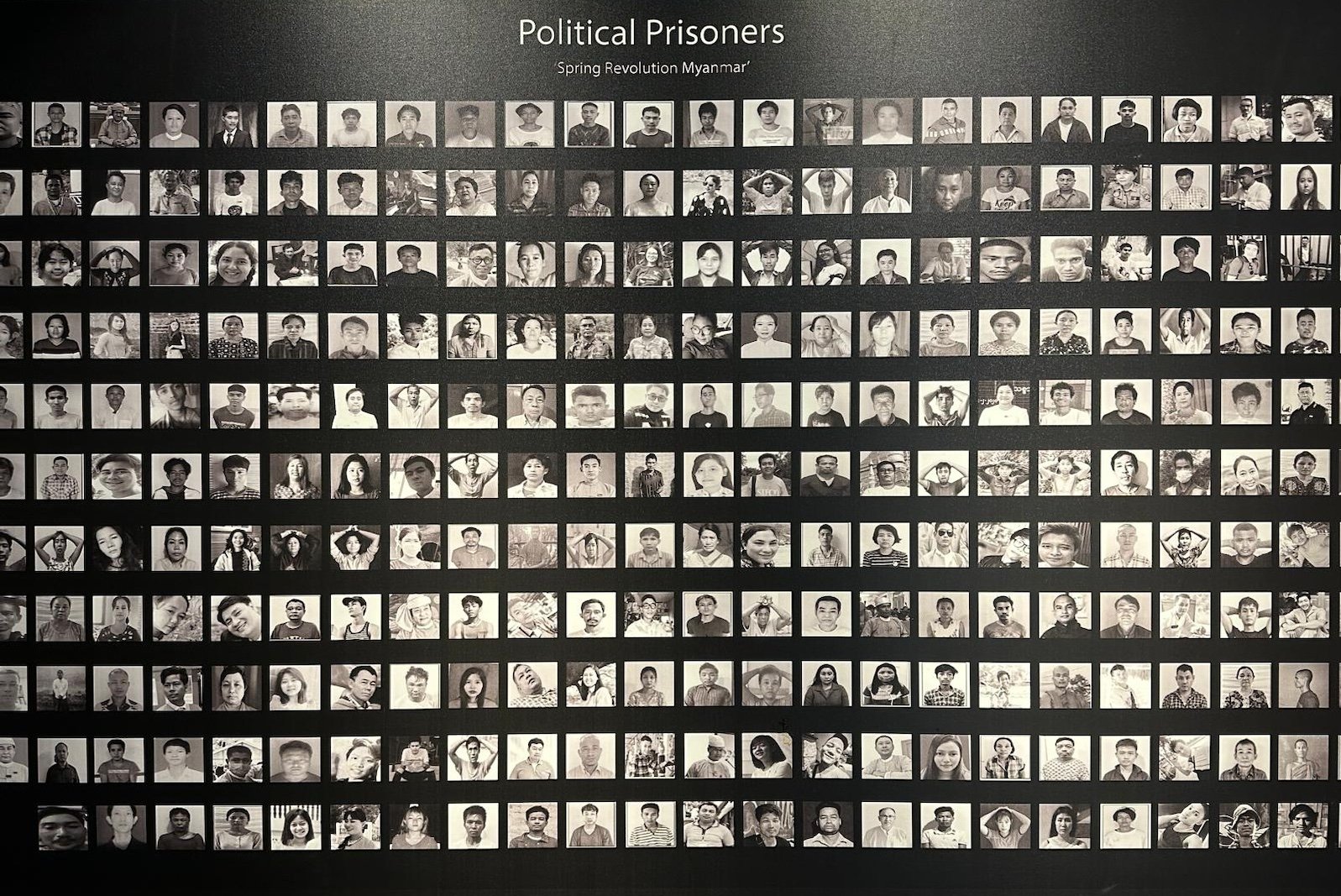
According to the Assistance Association for Political Prisoners (AAPP), over 30,000 people have been arrested for opposing the military government since the February 2021 coup. Of these, more than 14,000 remain in detention, with thousands more cases unverified due to legal obfuscation by the authorities. This year's amnesty was actually smaller than the roughly 4,900 prisoners freed around the same time in 2025, and only an estimated 150 of those released were political detainees.
Arrests and Deaths Persist Despite Amnesties
The scale of repression is staggering. Both Amnesty International and Human Rights Watch report around 2,000 deaths in custody, though these figures are likely underestimates. Using a broader definition that includes civilians, pro-democracy activists, and members of armed groups killed after arrest or capture, the AAPP places the total number of deaths in detention at approximately 8,000 as of May 2026. Arrests have continued year after year, even as amnesties are announced, and the overall detention system has not shrunk—it has stabilized at a high level, with prison building expanding as a long-term trend.
A recent report from the UN Special Rapporteur highlights how even minor expressions of dissent—such as banging pots and pans, participating in a silent strike by staying home, buying or selling flowers on Suu Kyi's birthday, or posting a blank black panel on social media to mourn a deadly attack—have led to arrest and imprisonment of individuals or their family members. This pervasive surveillance and punishment are part of a deliberate campaign of fear.
Rumors and contradictions further deepen the climate of terror. Earlier this year, persistent rumors that four senior members of Suu Kyi's government would be released proved false. The release of President Win Myint generated some optimism, but his residence reportedly remains heavily guarded, resembling house arrest rather than freedom. As Aung San Suu Kyi's house arrest is not Myanmar's freedom, the junta's messaging remains deliberately opaque.
Extremist Rhetoric and Ongoing Violence
Around the time of the prisoner releases, extremist views spread on social media and traditional media. A video by Hla Swe, a former high-ranking army officer and member of parliament nicknamed “Bullet,” gained over 1,000 Facebook shares and 14,000 likes. In it, he stated: “Recently released people like Win Myint are not important. They are like snakes without a head. The important thing is not to put the head back on the body of the snake.” Many interpreted this as a direct threat to Suu Kyi's safety or an acknowledgment of her possible death.
Meanwhile, military operations continued during the New Year period. Airstrikes in the Sagaing region targeted villages and a monastery, killing civilians and injuring others—consistent with a broader pattern of attacks on non-military targets. The legal system functions less as a mechanism of justice than as an instrument of control, with charges added, modified, or reinterpreted at will. Individuals may be detained under one provision, released, and later re-arrested under another. A slew of new laws and amendments allow the regime to justify imprisoning peaceful protesters.
The continued detention of Aung San Suu Kyi is emblematic of this system. Tried behind closed doors, she has not been seen in public since the start of her trial in 2022. There is a complete blackout on her location since her conviction in mid-2022. Her lawyers have not seen her since the end of that year, and her family, supporters, and senior foreign diplomats have no independent, verifiable evidence that she is alive. As Myanmar's information war shows, the junta uses uncertainty and opacity to maintain control.
Uncertainty, contradictory messaging, and the cycle of imprisonments, releases, and rearrests are not incidental. They are integral to the system of terror in Myanmar. The international community, including ASEAN, has largely failed to hold the junta accountable, as Myanmar bleeds while ASEAN wavers on junta engagement. Until the underlying architecture of detention and violence is dismantled, these annual amnesties will remain a cruel charade.