For two decades, data centers were the quiet workhorses of the digital economy—stable, profitable assets that promised steady returns. But the AI boom has turned them into a high-stakes gamble, and investors are starting to flinch.
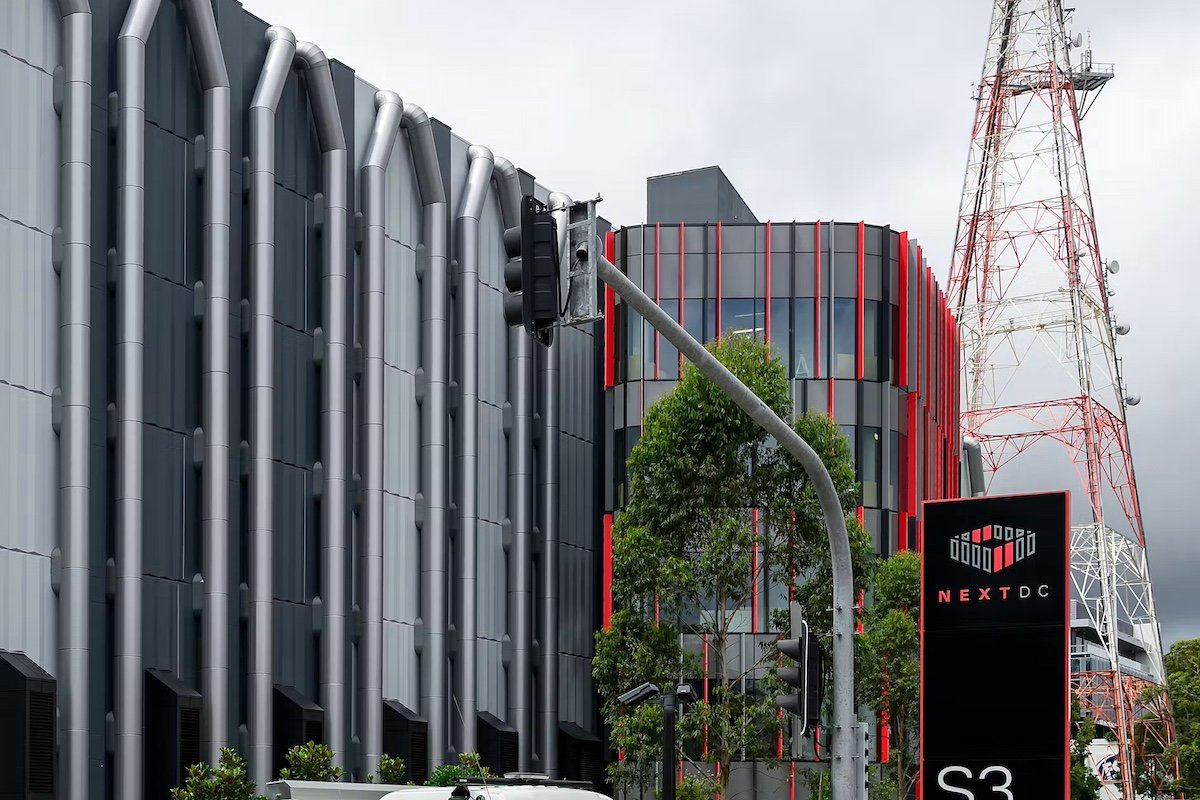
On October 21, shares in NextDC, one of Australia's largest data center builders, collapsed by 40% after the company warned that delays at its flagship Melbourne facility would push revenue below forecasts. The cause: local community opposition and regulatory hurdles that stalled construction of massive power poles needed to supply electricity to the site.
The 22-meter concrete poles, which were to run through Footscray streets, are essential for NextDC's operations. Data centers profit by selling access to the enormous amounts of power that AI chips consume. Without that power, the facilities are worthless. The delays highlight a growing tension between the industry's expansion plans and the communities that host them.
NextDC is not alone. Firmus, another Australian data center firm, abruptly canceled its multi-billion-dollar listing on the Australian Securities Exchange due to lack of investor demand. In London, Nscale is struggling to attract buyers for a Wall Street listing. CoreWeave, which claims to operate the world's most powerful AI supercomputer, saw its shares drop 15% in a single day last week on concerns about its financial health.
The AI investment treadmill
These jitters reflect a harsh reality: the AI hype cycle is colliding with the economics of physical infrastructure. Hundreds of billions of dollars have been poured into training models and building data centers, with global investment projected to reach US$10 trillion by 2032. But the business models are increasingly under scrutiny.
AI chips have a short shelf life—just a few years—and each new generation requires costly upgrades to power delivery and cooling systems. This traps data center operators in a relentless cycle of capital expenditure, even as revenue growth slows. Analysts estimate that giants like OpenAI and Anthropic would need to increase revenues by 80% annually for the next six years to meet investor expectations, yet spending on paid AI models is already decelerating.
Rising interest rates and sticky inflation compound the problem. Data center developers face higher borrowing costs and construction expenses, while other investments become more attractive. The era of cheap money that fueled the data center boom is over.
Hardware supply is another headache. Amazon recently admitted it is hoarding billions of AI chips without the capacity to install them, driven by fears of long-term shortages. This gold rush benefits Nvidia, the dominant chipmaker, which is one of the few profitable players in the AI space. But Nvidia also invests in its own customers, raising concerns about circular financing and inflated demand.
Community backlash and the social license
Beyond the balance sheet, data center operators are losing their social license. Local protests have erupted over noise, visual impact, and environmental concerns. In Scotland, campaigners demonstrated against a planned facility in Kilmarnock. In Australia, the NextDC delays were triggered by council objections to the power poles.
These concerns will only intensify if data centers start affecting the cost of living. Forecasts suggest that New South Wales data centers could consume up to 25% of Sydney's daily water demand within a decade. In Victoria, transmission company AusNet is reviewing requests for more than 10 gigawatts of connections—potentially exceeding the state's entire supply capacity. Such demand will inevitably push up electricity and water prices for households and businesses.
The AI age depends on physical infrastructure, but the current path demands ever-increasing capital, vast resources, and the patience of host communities. As Australia's digital policies evolve, the data center sector's safe-haven status is evaporating. Investors are beginning to demand more than hype—they want viable business models that can weather the challenges ahead.
If the industry cannot address these structural issues, the AI revolution may stall before it truly begins. The NextDC collapse is a warning shot, not just for Australia, but for the entire global AI economy.