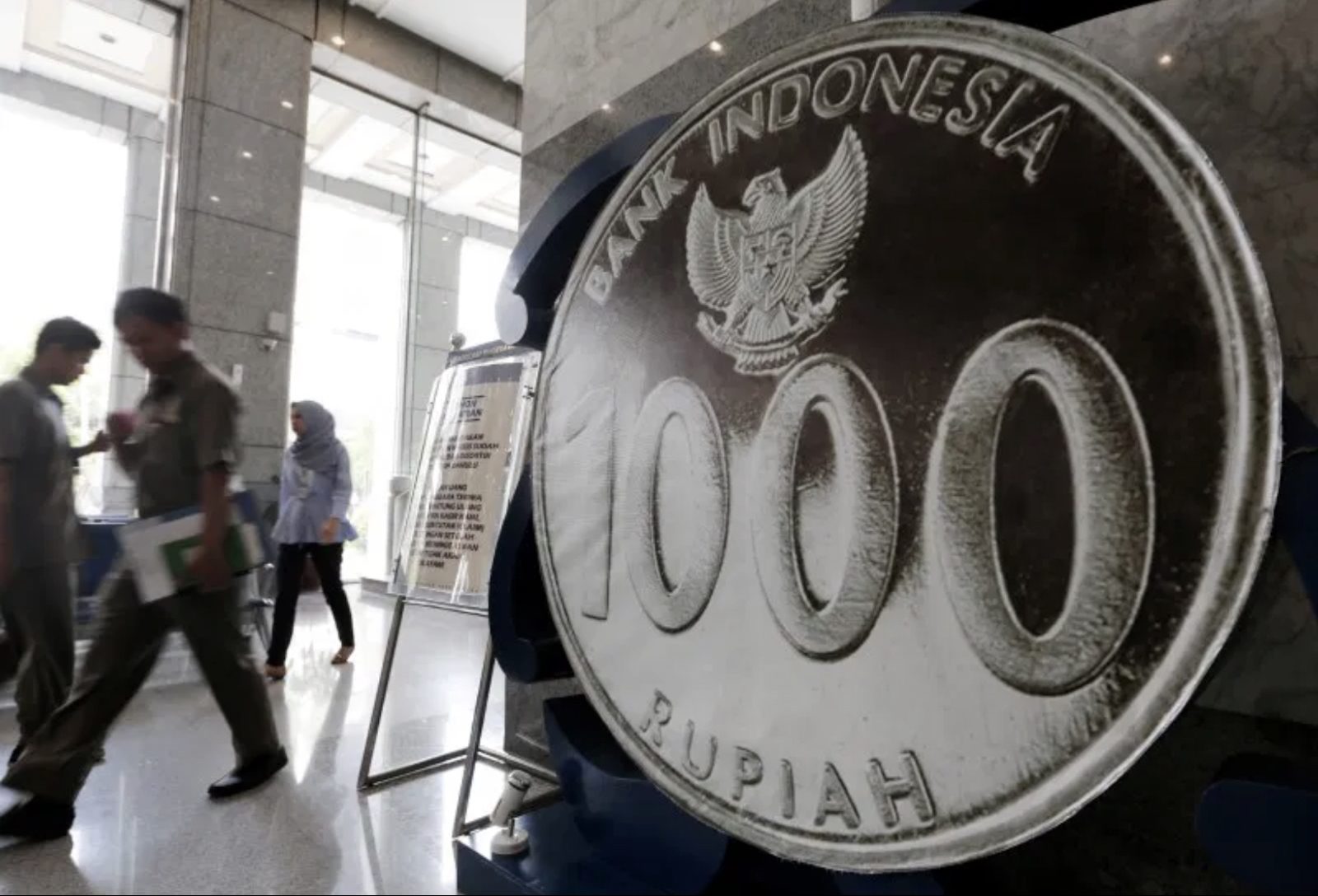
Indonesian officials are scrambling to reassure markets that the current rupiah rout is not a replay of the 1997 Asian financial crisis. But their aggressive interventions tell a different story. The currency has plunged to around 17,400 against the U.S. dollar, a record low that surpasses levels seen during the crisis nearly three decades ago. The sell-off has been exacerbated by the fallout from the Iran war, which has slammed global markets and hit emerging economies particularly hard.
Bank Indonesia is hemorrhaging foreign exchange reserves to prop up the rupiah, while Jakarta has announced a Bond Stabilization Fund to support the currency, set to activate next week. Finance Minister Purbaya Yudhi Sadewa framed the move as a prudent measure, but analysts see it as a form of capital control that smacks of panic rather than strength. Such tools, deployed early in the crisis, risk backfiring by spooking investors further.
Underlying Weaknesses Exposed
The rupiah's slide is not just a symptom of global shocks; it reflects deep-seated concerns about President Prabowo Subianto's economic agenda. Since taking office in October 2024, Prabowo has pursued a mix of mega-infrastructure projects inherited from his predecessor Joko Widodo and economic nationalist policies, including export restrictions on nickel and other minerals. These moves have unsettled global supply chains and raised risk premiums, while doing little to reduce Indonesia's reliance on volatile commodity exports.
Investors are also worried about the yawning gap between Prabowo's reform promises and actual macroeconomic policies. The twin budget and current-account deficits are part of the problem, but the bigger issue is the lack of new productivity-boosting projects and financing arrangements that crowd out private investment. Prabowo's team has dismissed these concerns, but heavy foreign-exchange intervention and pressure on state-owned banks have only exacerbated them.
“The rupiah’s plunge is a signal that macroeconomic fundamentals are under pressure,” said Liza Camelia Suryanata, head of research at Kiwoom Sekuritas Indonesia. She added that “the target of 8% GDP growth has become highly unrealistic, and even maintaining around 5% is starting to look difficult.” The Jakarta Composite Index has fallen nearly 19% year to date, contrasting with positive returns in Malaysia and Thailand and a flat Philippine market.
In late April, index giant MSCI extended its review of Indonesia’s stock market, considering a downgrade from “emerging” to “frontier” status amid concerns about transparency under Prabowo. Jakarta has since announced steps to increase shareholder data disclosure and double the portion of stocks available to the public to 15%, but these measures have done little to restore confidence.
Regional Ripples
Indonesia is not alone in facing currency pressure. The Indian rupee has fallen even more year to date, down 5.1% compared to the rupiah's 4.1% decline. “Emerging market Asia is in the direct path of the shock with relatively loose policy,” said Lucila Bonilla, an economist at Oxford Economics, noting that her firm has added rate hikes to its baseline for India, Indonesia, and the Philippines. Thailand, meanwhile, is the “standout risk of patience turning into complacency.”
But Indonesia’s troubles predate the Iran war. Even before February 28, the rupiah and stock market were suffering their worst routs since the 1997-98 crisis, flashing warning signs for developing markets across Asia. The shift from the reform-minded Joko Widodo to Prabowo has unsettled investors, who had grown accustomed to Widodo’s stability and incremental reforms, including infrastructure projects and anti-corruption efforts.
Under Widodo, Indonesia navigated the Covid-19 shock more effectively than many peers, but he left unresolved structural issues, including dynastic politics and patronage networks. Prabowo’s approach has amplified these weaknesses, and the rupiah crisis signals the end of the old emerging market playbook. Meanwhile, Prabowo's bond with a key aide has sparked elite unease, further complicating his ability to restore market confidence.
As the rupiah continues to slide, the question is whether Jakarta can avoid a full-blown crisis. The answer may depend on whether Prabowo shifts course from economic nationalism to policies that reassure global investors.