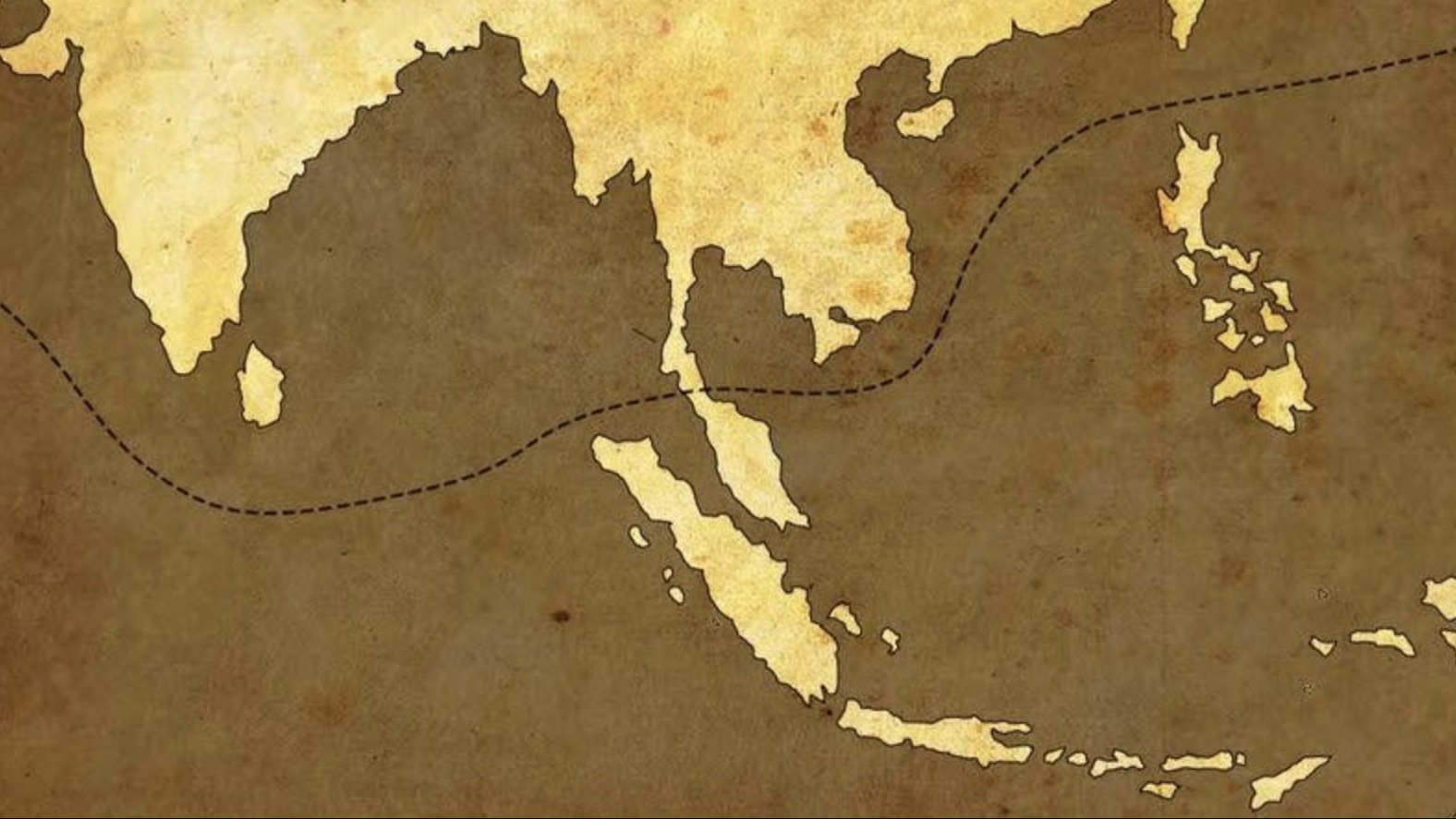
Bangkok is seizing on growing anxiety over the Strait of Hormuz to revive its long-standing ambition for a multi-billion dollar land bridge across Thailand's narrow southern isthmus. The project, which would connect the Andaman Sea to the Gulf of Thailand, offers an alternative to the crowded Strait of Malacca for shipping between the Persian Gulf and East Asia.
Prime Minister Anutin Charnvirakul, recently reelected, has pointed to the volatility around key maritime chokepoints—including the Strait of Hormuz—as a rationale for accelerating the scheme, according to a Bangkok Post report. The government plans a series of international roadshows to court foreign investment for the 90-kilometer corridor, which could cost more than US$30 billion, Senator Norasate Prachyakorn told parliament on April 27.
A Strategic Bypass for Global Trade
The land bridge would feature a dedicated superhighway, modern warehouses, oil and gas pipelines, and a parallel rail line linking a new port at Ranong on the Andaman Sea with Chumphon on the Gulf of Thailand. Supporters argue that ships traveling from the Persian Gulf to China, Japan, South Korea, or Taiwan could dock at either end, transfer cargo across the isthmus in a few hours, and avoid the lengthy detour through the Strait of Malacca and the Strait of Singapore.
Currently, vessels from Hormuz must veer south into the Indian Ocean, pass through the 800-kilometer Strait of Malacca—wedged between Indonesia's Sumatra and the Malay Peninsula—and then squeeze through the narrower Strait of Singapore before reaching the South China Sea. More than 20% of the world's oil transits the Malacca strait daily, making it a critical but vulnerable artery. The US Energy Information Administration calls it “the primary chokepoint in Asia and Oceania.”
Thailand's pitch resonates amid fears that a conflict over Taiwan or other flashpoints could lead the United States to pressure Malaysia, Indonesia, and Singapore—all close US partners—to restrict shipping through the strait. Beijing, which relies heavily on the Malacca route for energy imports, has long sought alternatives. The land bridge could also integrate with China's Belt and Road Initiative, linking to Thailand's existing railways and highways that connect to Laos, where a Chinese-built high-speed train already runs.
International Interest and Skepticism
To avoid over-dependence on China, Bangkok has opened the project to global investors, reporting interest from India, Dubai, Japan, Europe, and others, including port developers and shipping lines. Singapore's Defense Minister Chan Chun Sing met Anutin on April 27 to discuss the proposal. Government spokeswoman Rachada Dhnadirek said both sides “recognize the project's potential and the opportunities it could create for Thailand and the wider region.”
Yet critics question the economics. Democrat deputy leader Korn Chatikavanij is among those who see the land bridge as unfeasible, arguing that the time and cost of loading, unloading, and overland transport may negate any savings. Supporters counter that the Strait of Malacca already involves transshipment at hubs like Singapore, where cargo is broken into smaller loads for multiple destinations. They also highlight the land bridge's potential to turn Thailand into a marine fuel supply base and petroleum refiner, attracting further investment.
The project's fate hinges on whether Bangkok can secure private and public funding amid regional uncertainty. For now, the specter of Hormuz disruptions—detailed in Gulf States' Fragile Alternatives to the Strait of Hormuz Under War Stress—gives Thailand's dream a new urgency. But as Thailand's Southern Insurgency Escalates as Anutin Government Takes Office shows, domestic challenges may complicate Anutin's ambitions.